

Justice Sanjay Khanna, A Farewell to Integrity and Constitutional Dignity
Why in News?
Justice Sanjay Khanna of the Delhi High Court recently retired, marking the end of a distinguished judicial career. Known for his commitment to constitutional values, integrity, and judicial restraint, Justice Khanna’s contributions highlight the critical role of independent judiciary in upholding democracy and secularism. 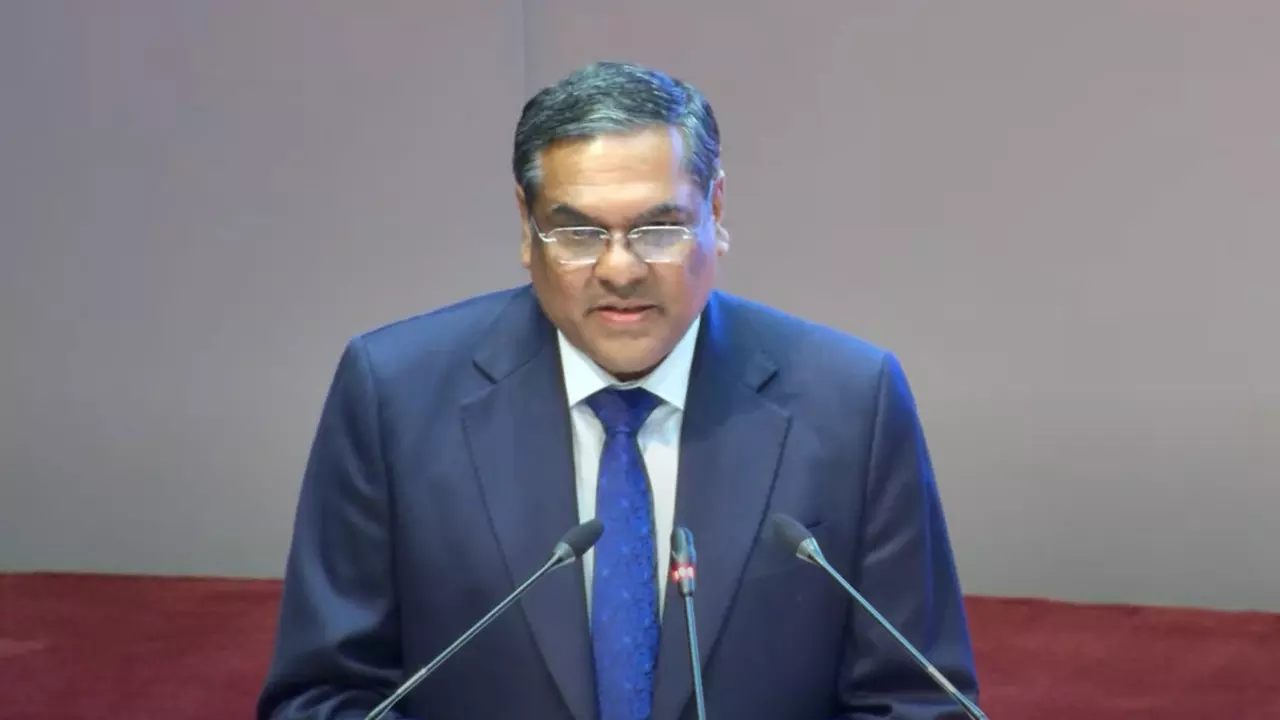
Introduction
A good judge lives not only by the law but by a life of uncompromising integrity, and Justice Khanna epitomized that ideal. The image commemorates a career shaped by deep constitutional insight, respect for legal traditions, and a commitment to serving the people without bias or political pressure.
Key Contributions of Justice Khanna
1. Upholding Rule of Law in Religious Matters
-
Justice Khanna allowed the survey of religious places like the Shahi Jama Masjid in Sambhal to determine their character, even if such places existed at the time of independence.
-
He upheld order and dignity while ensuring such investigations adhered to legal parameters without disrupting peace.
2. Judgments on Religious Site Disputes
-
In the Shahi Jama Masjid dispute, his decision led to calm proceedings and preserved communal harmony.
-
He also dealt with cases under the Waqf (Amendment) Act, 2015, a highly sensitive area in Indian constitutional law.
3. Judicial Restraint and Fairness
-
When asked to preside over sensitive matters involving constitutional and religious issues, such as a controversial Waqf Act provision, he refused to take up cases where his participation could be questioned, upholding judicial fairness and transparency.
4. Contribution to Court Integrity
-
During his time, he ensured the Delhi High Court’s dignity and standards were preserved, even in the face of external controversies, like the fire in Justice Vashwant Varma’s house.
Legacy and Impact
Justice Khanna will be remembered not only for his judgments but for being a pillar of calm amid rising tensions in a polarized political and religious climate. His decisions often prioritized peaceful resolutions, public confidence, and rule of law over short-term populist reactions.
Conclusion
As India continues to face constitutional and communal challenges, the judiciary needs leaders like Justice Sanjay Khanna—firm, fair, and wise. His retirement leaves behind not just vacant chambers but a deep moral benchmark for future judges to live up to.
Q&A Section
Q1. Who was Justice Sanjay Khanna?
He was a judge of the Delhi High Court known for his integrity, legal wisdom, and balanced judgments on sensitive constitutional and religious matters.
Q2. What was one of Justice Khanna’s major contributions?
He allowed surveys of religious places, like in the Shahi Jama Masjid case, to proceed lawfully, ensuring communal peace and judicial fairness.
Q3. How did he handle the Waqf Act-related cases?
Justice Khanna presided over or was connected with several disputes regarding the Waqf (Amendment) Act, 2015, emphasizing legal restraint and non-partisanship.
Q4. Why did he refuse to take up a sensitive case scheduled for May 5?
He felt it was inappropriate to preside over the matter so close to his retirement, maintaining judicial decorum and impartiality.
Q5. How is Justice Khanna remembered by the legal community?
He is respected as a dignified, non-political, and justice-oriented judge who consistently upheld constitutional values and the independence of the judiciary.
