
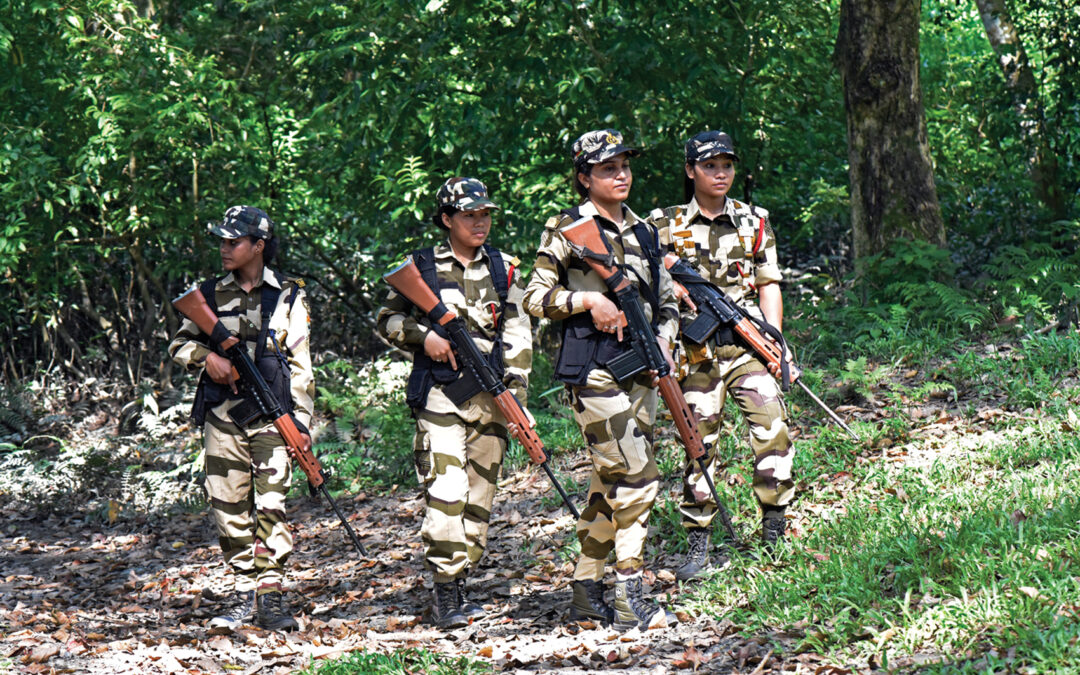
Women at Forest Frontline
Why in News?
On International Women’s Day 2024, special attention was given to the contributions of women frontline workers in India’s forest services, particularly in Kaziranga National Park. These women have not only defied societal norms but also played a crucial role in conservation and wildlife protection during one of the most challenging times — the devastating floods of July 2024. Their courage and resilience prompted Prime Minister Narendra Modi to honor them as “Van Durgas” (Goddesses of the Forests).
Introduction
Women have emerged as key players on the frontline of India’s forest services. From being inducted into the Indian Forest Service (IFS) in 1980 to making up over 350 serving officers today, their journey is a testament to determination and perseverance. Working in tough terrains and remote locations, women foresters have shattered gender barriers and proven their mettle in traditionally male-dominated roles.
Evolution of Women in the Indian Forest Service (IFS)
- Historic Background: The IFS evolved from the Imperial Forest Service established in 1865 and became a central service in 1966.
- Women’s Induction: Women first entered the IFS in 1980, following amendments that relaxed physical criteria. Only three women were inducted initially, but this number has since grown significantly.
- Strength Today: Over 350 women serve in the IFS, marking a steady increase in their participation.
Women in Kaziranga National Park: A Case Study
-
Mass Recruitment in 2023: Over 300 women forest guards, officers, and battalion constables were recruited by the Assam government. Most of them came from rural backgrounds and underwent three months of rigorous physical and mental training to prepare for “jungle postings.”
-
Challenges in Housing and Camps:
- Kaziranga’s anti-poaching camps are key to its conservation model.
- There are 233 anti-poaching camps — the highest in India in terms of area coverage.
- These camps are basic, with limited facilities like bathing areas, toilets, and improvised kitchens. Initially meant for individual men, special arrangements had to be made for women.
-
All-Women Camps: Despite establishing women-only camps, the greatest challenge was breaking the mindset of male peers and superiors regarding women’s capability to endure such harsh conditions.
Women’s Contribution During Kaziranga Floods 2024
-
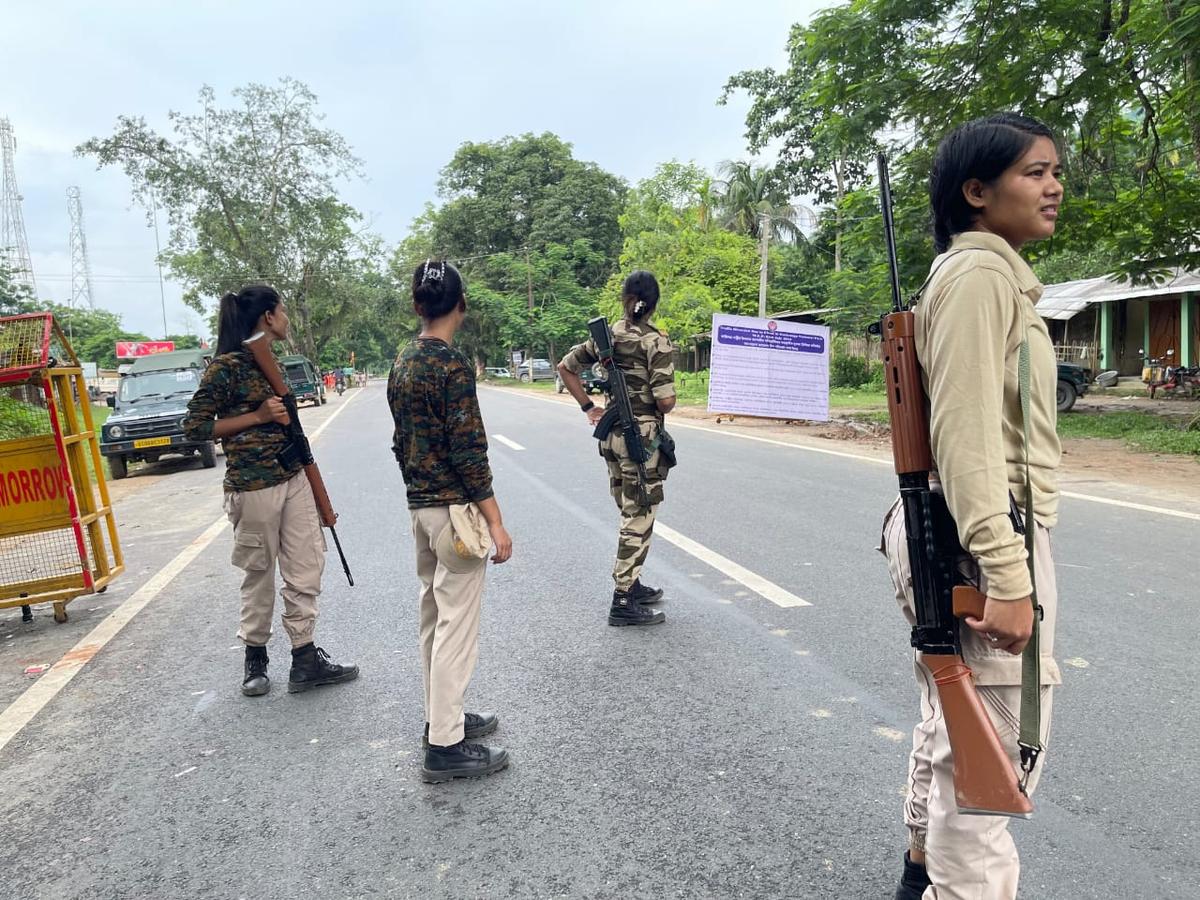
Severe Flooding: July 2024 witnessed the worst floods since 1991 in Kaziranga. Animals fled to higher ground, and anti-poaching camps were cut off, with rations and drinking water in short supply.
-
Role of Women Frontline Workers:
- Maintained mental and physical fitness to avoid illness.
- Regulated traffic speed on National Highway 715, ensuring safe passage for wildlife through nine designated corridors.
- Rescued and released stranded wild animals, with 180 animals rescued and 148 successfully released back into the wild.
- Continued anti-poaching duties during a time of immense stress.
-
Collaborative Efforts: With help from local communities, students, and civil society, Kaziranga recorded the lowest ever wildlife mortality (only two hog deer) from road-kills and other causes.
Prime Minister’s Recognition
- On March 9, 2024, Prime Minister Narendra Modi visited Kaziranga and met with these brave women.
- He praised their efforts and named them “Van Durgas,” acknowledging their role as protectors of forests and wildlife.
Key Features of Women Frontline Forest Staff
- Resilience and Toughness: Overcoming physically demanding conditions and isolation.
- Breaking Stereotypes: Proving that women can handle remote postings and high-risk tasks traditionally reserved for men.
- Effective Communication: Women bring empathy and better community engagement.
- Dedication and Sincerity: Their commitment to conservation is marked by unwavering dedication.
- Role Models: They are inspiring future generations of women to consider careers in forest services and conservation.
Conclusion
Women frontline forest officers in Kaziranga and across India have demonstrated that gender is no barrier when it comes to protecting nature and wildlife. Their contribution to conservation, anti-poaching, and disaster management has not only broken societal stereotypes but also paved the way for a more inclusive and effective forest management system.
As Sonali Ghosh, Field Director of Kaziranga National Park and Tiger Reserve, aptly concludes, “If nature does not differentiate, why must we?”

