
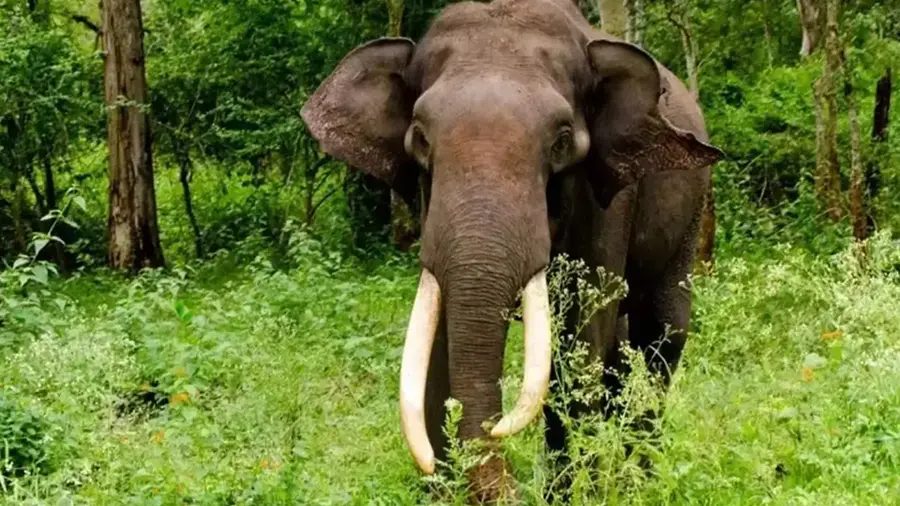
About Wild Conflict and Safe: Human-Wildlife Conflict Management in Kerala:
Rising Human-Wildlife Conflict
- Increasing human casualties caused by wild animal attacks in forest, forest-fringed areas, or in villages.
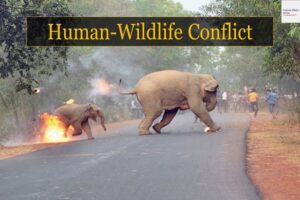
- With 29% of the Kerala land in the woods, the impact is significant.
- Immediate steps to be taken, with a dry spell expected and hot summer coming soon.
Political, Social, Environmental Dimensions
- The Kerala government is criticized for not promoting effective wildlife management.
- According to KIFA and church sections, population explosion of these animals necessitates culling.
- Contradicting evidence of wildlife overpopulation is registered by the Forest Department.
Wildlife Population and Fatality Trends
- Deaths linked to elephants (18% of deadly incidents): Decline of 7% in population
- Snakebites: 75% fatalities; reduced from 113 (2012) to 34 (2023).
- Deaths due to wildlife from 146 (2018) to 57 (2023).
- Despite their historical skills of coexistence, tribal communities face the maximum risk.
Causative Factors for Human-Wildlife Conflict
- Habitat Fragmentation: disrupted elephant corridors like Aralam Farm (Kannur) and Chinnakkanal (Idukki).
- Human Activities:
- Unregulated tourism, animal grazing, encroachments and food waste disposal near forests.
- Disruption to feeding patterns by invasive plants (e.g. Senna spectabilis) and monoculture plantations.
Government action and its challenges. The state government has empowered local bodies to destroy wild boars interfering with farmland in Kerala in 2022. In 2023 has recognized human-animal conflict as a State-disaster, paving way for intervention by Disaster Management Authority. Such extreme views are given credence to participatory managements of the forests and wildlife. Forest Department works: Natural forests restored 5,031 ha; ponds check dams rest of the works remain.
Need a Multi-Agency Approach
Prioritization of Kerala’s 10 Missions to research human-wildlife conflicts must be done. Multi-departmental collaboration as Disaster Management, Revenue, Local Self Government, Tribal Welfare, Agriculture, Health, and Forest Departments is what Human safety conservation aims at.

