
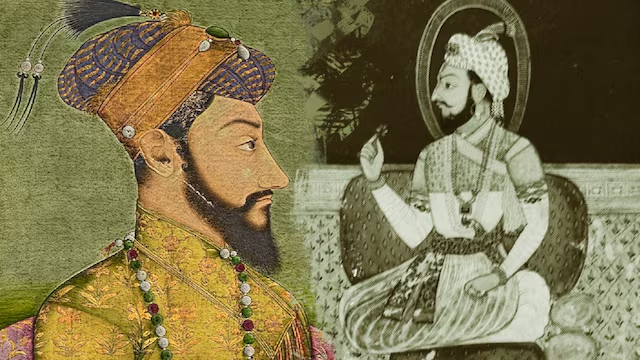
Why Aurangzeb Alone Should Not Bear the Burden of India’s Violent Past
Why in News?
A recent article in The Times of India critiques the selective demonization of Mughal emperor Aurangzeb, arguing that India’s history is marked by multifaceted violence—including caste oppression, colonial brutality, and conflicts among Hindu rulers. The piece calls for a broader, more inclusive understanding of history to foster national healing. 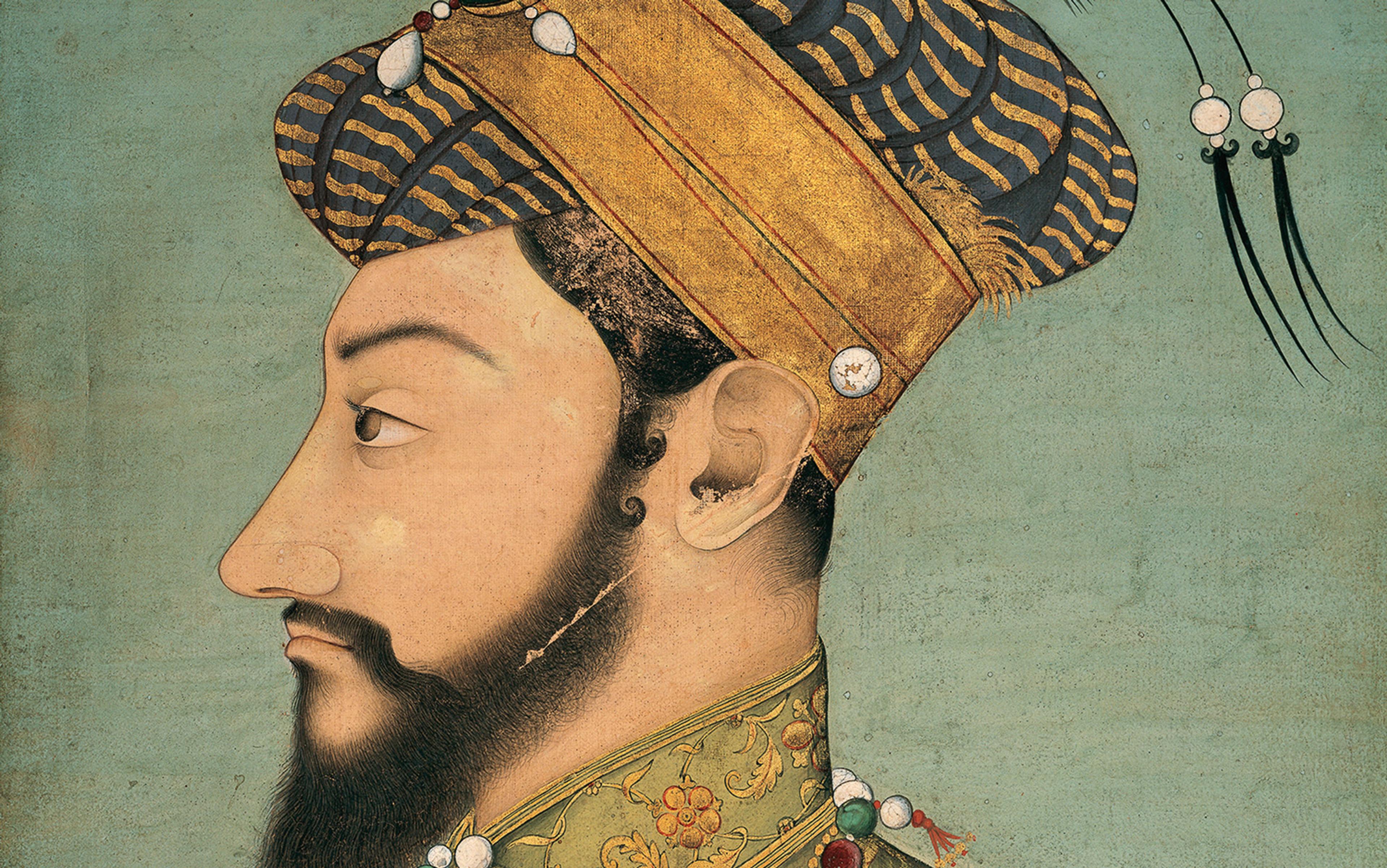
Introduction
India’s historical discourse is increasingly polarized, with Aurangzeb symbolizing Muslim tyranny for some Hindu nationalist groups. However, this narrow focus ignores the complex layers of violence embedded in India’s past—from caste atrocities to European colonialism. The article questions why only certain historical figures are targeted for “civilisational revenge” while other injustices remain unaddressed.
Key Issues
1. Selective Outrage
- Aurangzeb’s modest grave in Khuldabad is a far cry from the grandeur of the Taj Mahal, yet it has become a political target.
- Hindu kings, such as those from the Chola or Maratha empires, also waged brutal wars, but their legacies are rarely scrutinized.
- European colonialism inflicted widespread suffering, yet there are no demands to dismantle British-era monuments.
2. Caste Oppression: The Overlooked Legacy
- Lower castes faced centuries of systemic violence under Hindu rulers, yet their demands for justice are sidelined.
- Recent incidents, like temple entry protests by Dalits in Bengal and priestly strikes in Kerala, highlight ongoing caste discrimination.
- If reparations were sought for caste-based atrocities, Hindu rulers would face far greater accountability than Mughal emperors.
3. Literacy and Inequality
- The 1891 Census revealed abysmal literacy rates: only 10% of men and 0.4% of women were literate.
- Disparities were stark across regions and religions, with upper castes historically monopolizing education.
4. Weaponizing History
- Framing history as a Hindu-Muslim binary erases the nuanced realities of pre-colonial India.
- This narrative fuels divisive politics while ignoring contemporary inequalities.
Impact on Modern India
1. Polarized Politics
- The focus on Aurangzeb distracts from pressing issues like caste reform and economic inequality.
- It reinforces a victimhood narrative that excludes marginalized communities.
2. Stalled Social Progress
- By fixating on historical grievances, India risks neglecting urgent reforms in education, healthcare, and social justice.
3. Global Reputation
- Divisive historical debates undermine India’s image as a pluralistic democracy.
Proposed Solutions
1. Inclusive Historical Research
- Encourage scholarship that examines all forms of historical violence—caste, gender, and colonialism—without bias.
2. Policy Focus on Equity
- Prioritize affirmative action, education access, and economic upliftment for marginalized groups.
3. Dialogue Over Division
- Promote public discourse that acknowledges India’s complex past without weaponizing it for political gains.
Recent Reforms and Future Directions
- The Constitution, drafted by Dr. B.R. Ambedkar, laid the foundation for an egalitarian society.
- However, 75 years later, caste and religious tensions persist.
- A unified approach to history and social justice is essential for national cohesion.
Conclusion
India’s history cannot be reduced to a Hindu-Muslim conflict. To heal as a nation, we must confront all forms of historical injustice—caste, colonialism, and internecine wars—while focusing on building an equitable future. Selective outrage only deepens divisions; inclusive reconciliation will pave the way for progress.
Q&A Section
Q: Why does the article criticize the focus on Aurangzeb?
A: It argues that singling out Aurangzeb ignores broader historical violence, including caste oppression and colonialism.
Q: What are the key issues in India’s historical discourse?
A: Selective outrage, caste oppression, and the weaponization of history for political gains.
Q: What solutions does the article propose?
A: Inclusive historical research, equitable policies, and dialogue to address all forms of past injustice.
Q: How does this debate impact modern India?
A: It fuels polarization, distracts from social reforms, and harms India’s global reputation as a pluralistic democracy.
— Adapted from The Times of India article by Charmy Harikrishnan
