
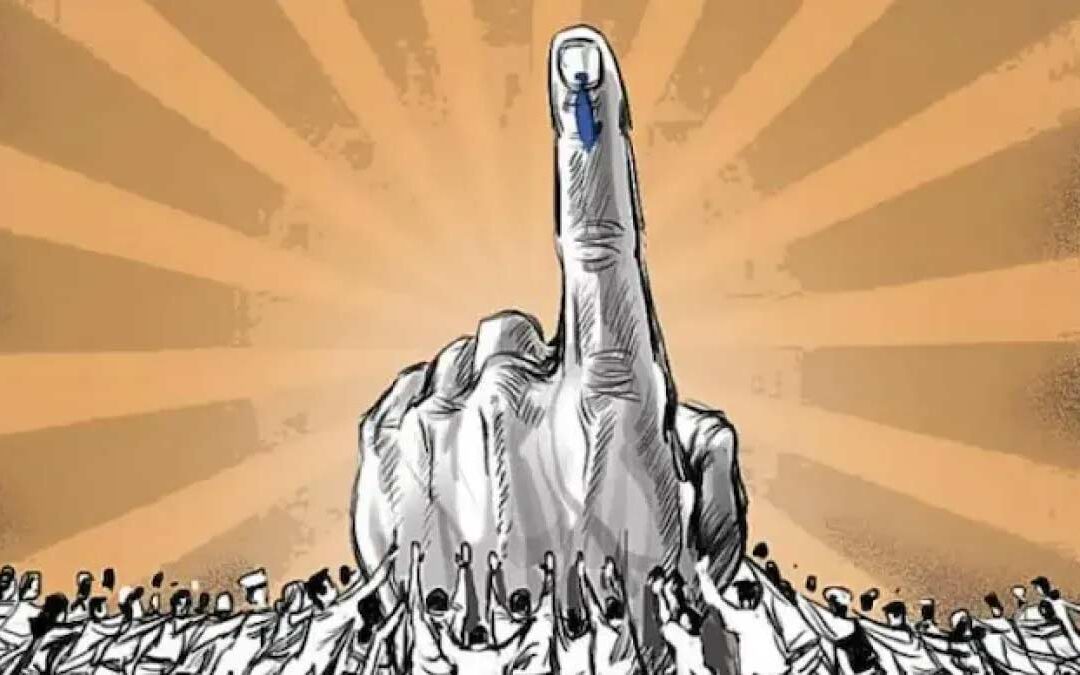
Why Are Electoral Reforms Necessary?
Why in News?
The Election Commission of India (ECI) has called on political parties to discuss ways to strengthen the election process. This move comes in response to allegations of manipulation of electoral rolls, issues of duplicate Electoral Photo Identity Card (EPIC) numbers, and concerns over Electronic Voting Machines (EVMs) and Voter Verified Paper Audit Trail (VVPAT) reliability during recent elections. 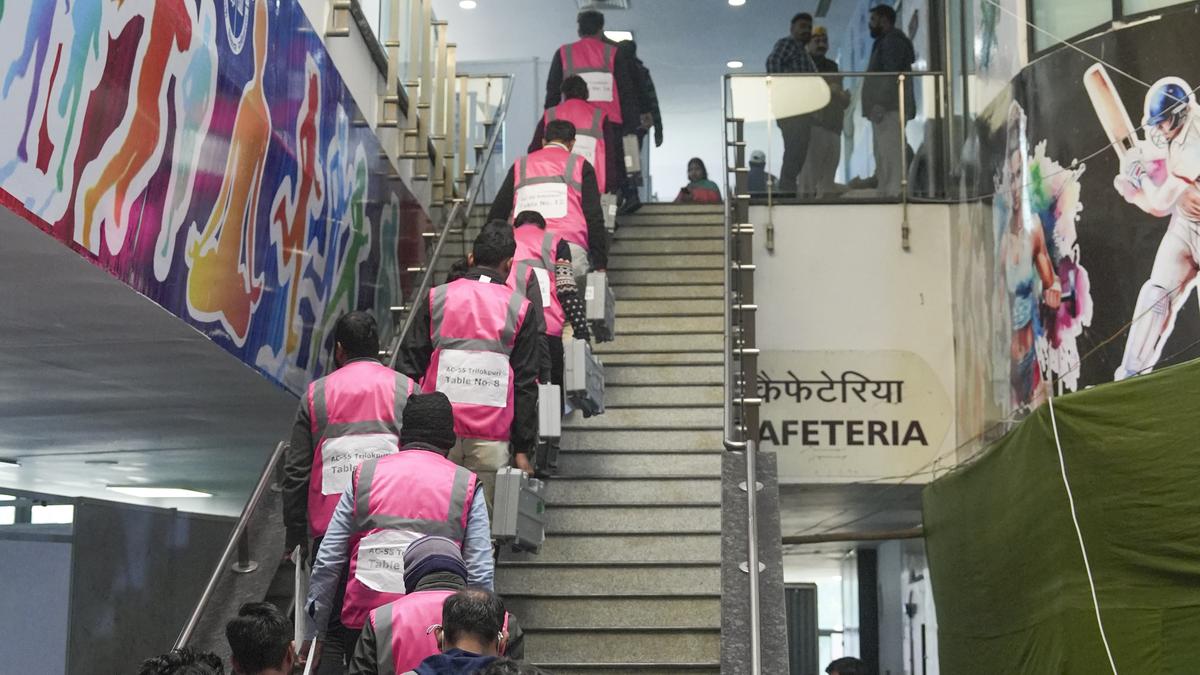
Introduction
The electoral process in India has undergone several reforms over the years, including the introduction of EVMs in 2004 and VVPATs in 2019 to enhance transparency. However, the system still faces challenges such as vote tampering allegations, criminalisation of politics, and manipulation of electoral rolls.
The Supreme Court of India has also been involved in addressing issues related to voter verification, demanding reforms to prevent the misuse of the EPIC database and promoting transparency.
Key Issues
-
Manipulation of Electoral Rolls:
-
Allegations have surfaced regarding duplicate EPIC numbers and discrepancies in the voter database, raising concerns over fraudulent voting practices.
-
There are demands for centralising the EPIC database on the ENCORE platform to prevent duplication and ensure uniform voter verification.
-
-
Concerns Over EVMs and VVPATs:
-
Since the 2004 general elections, EVMs have been used in all constituencies.
-
However, Opposition parties have accused the EC of manipulating EVMs to influence election results.
-
To ensure transparency, there are calls for full verification of VVPAT slips or conducting a statistically significant sample-based check during counting.
-
The EC’s 2018 recommendation for verifying EVM and VVPAT data across random regions is being revisited.
-
-
Criminalisation of Politics:
-
The increasing number of candidates with criminal backgrounds contesting elections is another major concern.
-
Several cases of criminal charges against sitting MPs and MLAs have been highlighted.
-
There are demands to disqualify candidates facing serious criminal cases from contesting elections.
-
-
Lack of Transparency in Election Expenditure:
-
Political parties are accused of exceeding spending limits on election campaigns.
-
To curb this, the EC proposes strict adherence to the Model Code of Conduct (MCC) and publicising election expenses regularly.
-
-
Violation of the Model Code of Conduct (MCC):
-
Several political parties have been accused of using religious and caste-based appeals to influence voters.
-
The EC seeks stricter regulations to prevent hate speeches, fake news, and inflammatory rhetoric.
-
Proposed Reforms
To address the existing issues in the electoral process, the EC proposes the following reforms:
-
Reforming EVM and VVPAT Verification:
-
To improve transparency, the ECI proposes a sample verification of EVM and VVPAT results by randomly selecting regions.
-
In case of any discrepancies, full VVPAT slip verification would be conducted in the concerned region.
-
-
Centralised EPIC Database:
-
To prevent duplicate voter registrations, the EC recommends shifting all EPIC data to a centralised ENCORE platform.
-
This would streamline voter verification and reduce the possibility of electoral fraud.
-
-
Stricter Regulations for Criminal Candidates:
-
The EC proposes the public disclosure of criminal records of candidates during the election campaign.
-
This would enable voters to make informed decisions.
-
There are also calls to bar candidates with serious criminal charges from contesting elections.
-
-
Enhanced Transparency in Election Expenditure:
-
The EC suggests enforcing strict financial disclosures and penalising parties that exceed expenditure limits.
-
Parties violating the MCC could face revocation of their “Star Campaigner” status and face strict penalties.
-
-
Combating Fake News and Hate Speech:
-
The EC proposes new regulations to counter the spread of fake news and hate speeches during elections.
-
This includes monitoring social media campaigns and taking strict action against parties or individuals promoting divisive rhetoric.
-
Conclusion
Electoral reforms are essential to enhance the transparency, fairness, and credibility of India’s democratic process. By addressing issues such as EVM transparency, criminalisation of politics, and electoral fraud, the EC aims to strengthen the electoral framework and uphold the integrity of elections.
✅ Q&A Section
-
Q: Why has the Election Commission called for electoral reforms?
A: The Election Commission of India (ECI) has called for reforms in response to allegations of electoral roll manipulation, EVM reliability issues, and concerns over criminalisation of politics. -
Q: What are the key issues in the current electoral process?
A: The key issues include duplicate EPIC numbers, EVM manipulation concerns, increasing criminalisation of politics, and lack of transparency in election expenditure. -
Q: What reforms are proposed for EVM and VVPAT verification?
A: The EC proposes sample verification of EVM and VVPAT results across random regions. In case of discrepancies, full VVPAT slip verification would be conducted. -
Q: How does the EC plan to address criminalisation of politics?
A: The EC recommends public disclosure of criminal records of candidates and proposes disqualification of candidates with serious criminal charges. -
Q: What steps are suggested to prevent fake news and hate speech?
A: The EC suggests strict monitoring of social media campaigns, penalising parties spreading hate speech, and enforcing the Model Code of Conduct.

