

Urban Fire Tragedies Highlight Urgent Need for Fire Safety Audits in Old Buildings
Why in News?
A recent devastating fire in Hyderabad’s Gulzar Houz area claimed the lives of eight out of a 17-member family, reigniting concerns over fire hazards in old, congested urban buildings. The incident has raised urgent calls for fire safety audits and policy reform in Indian cities with aging infrastructure. 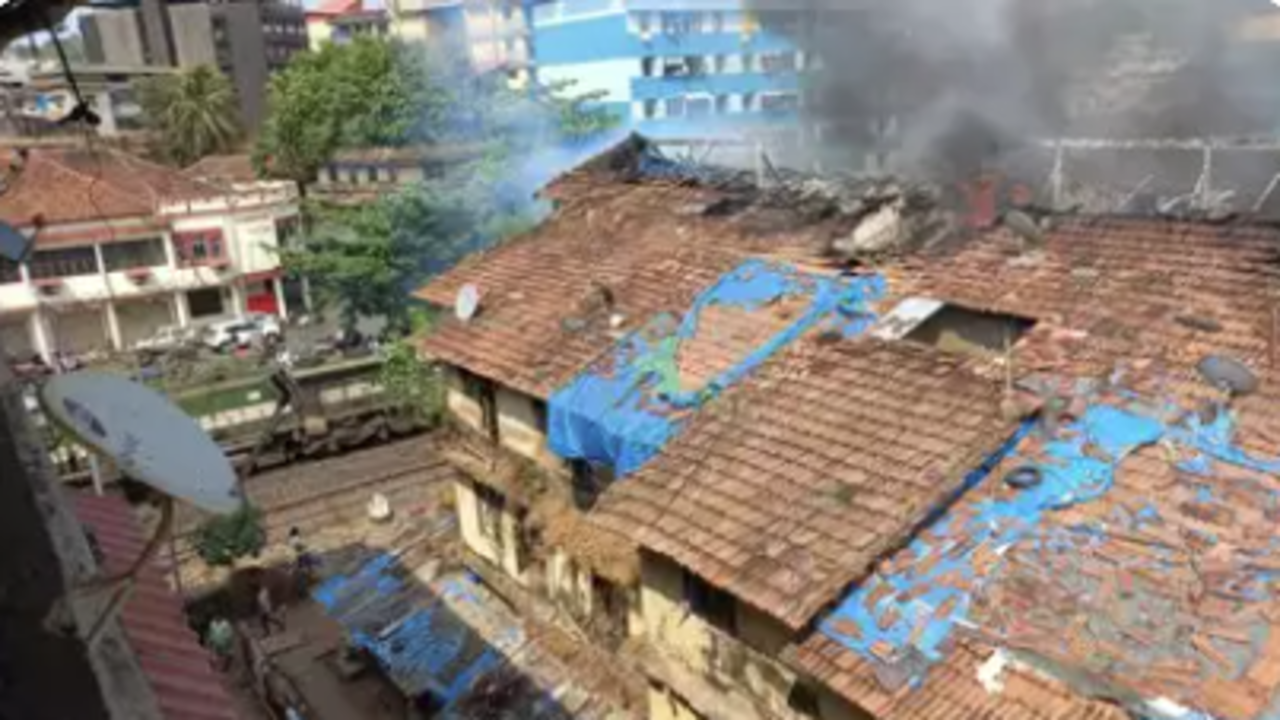
Introduction
Old city neighborhoods in India are vibrant centers of tradition, commerce, and culture. However, behind their charm lies a ticking time bomb — aging buildings without fire safety provisions, congested pathways, and poor urban planning. Many of these areas have become death traps due to the lack of escape routes and emergency response capabilities.
Key Issues and Background
1. Structural Challenges of Old Cities
-
These areas are characterized by:
-
Narrow lanes, overcrowded commercial activity, and deteriorating structures.
-
Mixed land use — shops, homes, and warehouses stacked close together.
-
2. The Gulzar Houz Fire Tragedy
-
The fire occurred in a joint family building involved in the jewellery trade.
-
The building had multiple shops with a single entrance, leading into a courtyard with residential units above.
-
On the fateful night, smoke quickly engulfed the upper floors with no clear escape route, leading to eight fatalities.
3. Lack of Safety Compliance
-
Most old structures:
-
Were built before fire safety norms were introduced.
-
Lack emergency exits, fire extinguishers, and fire-resistant materials.
-
-
Even if fire exits exist, they’re often blocked by shops or storage, making them inaccessible during emergencies.
Specific Impacts or Effects
-
Recurrent tragedies point to a systemic failure in enforcing fire codes.
-
Emergency response is often delayed or hindered by:
-
Narrow roads.
-
Poor coordination.
-
Ignorance about safety protocols.
-
-
Loss of human lives and property continues unabated.
Challenges and the Way Forward
Challenges
-
Millions of buildings lack fire audits.
-
Coordination between fire departments and municipal bodies is weak.
-
Public awareness remains low in densely populated areas.
Steps Forward
-
Mandatory fire safety audits of all old commercial and residential structures.
-
Urban planning reforms to redesign old cities with fire safety in mind.
-
Community participation in safety drills and awareness programs.
-
Building new laws or amending old ones to ensure better accountability.
Conclusion
The loss of innocent lives in Hyderabad is not an isolated case — it is a reminder of a nationwide crisis that needs urgent attention. Without strict audits, community awareness, and policy enforcement, India’s vibrant old neighborhoods could continue to face avoidable tragedies. Fire safety is not a luxury; it’s a basic necessity for urban survival.
5 Questions and Answers
Q1: What triggered the renewed discussion on fire safety in old Indian cities?
A: A deadly fire in Hyderabad’s Gulzar Houz area that killed 8 members of a family highlighted the lack of fire safety in old buildings.
Q2: What are the common problems in older city structures?
A: Narrow passages, no fire exits, congested shops, old wiring, and buildings not designed for modern fire safety standards.
Q3: Why are escape routes often ineffective during emergencies?
A: Many escape paths are blocked or too narrow for safe evacuation, especially during fires or smoke build-up.
Q4: What are the recommendations to improve fire safety?
A: Mandatory fire audits, community-level safety drills, updating old buildings, and urban planning reforms.
Q5: Who should be responsible for fire safety implementation?
A: It should be a combined effort of city councils, fire departments, building owners, and local communities.

