
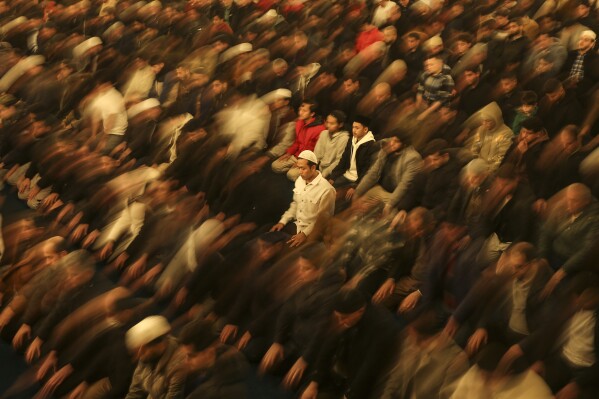
Understanding the Holy Month of Fasting: Ramzan
Why in News?
Ramzan, the holy month of fasting for Muslims, began on March 11 this year in India. Depending on the sighting of the new moon, fasting will continue until March 30 or 31, 2025, culminating in the festival of Eid-ul-Fitr. 
Introduction
Ramzan (commonly known as Ramadan in Arabic-speaking regions) is a significant period for Muslims worldwide. It marks the ninth month of the Islamic calendar and commemorates the month during which the Quran was revealed to the Prophet Muhammad. During Ramzan, Muslims observe a strict fast from dawn to sunset, engaging in spiritual reflection, prayer, and community service.
Key Features
-
Fasting Rituals
Muslims abstain from food and drink from dawn until dusk during Ramzan. The pre-dawn meal is called suhoor in Arabic and sehri in Persian. In India, it’s popularly referred to as sehri. This meal typically includes energy-rich foods such as complex carbohydrates (whole grains), proteins (like tofu, fish, legumes), and fruits/vegetables that provide fiber and vitamins. These foods sustain energy levels throughout the day. -
Breaking the Fast (Iftar)
At sunset, the fast is broken with a meal called iftar. This meal rehydrates and replenishes energy levels. Traditional iftar foods include dates, water, soups, and light snacks, followed by more substantial dishes like lentil soups, vegetable soups, and chicken broths. Foods high in sugar and fat are often avoided to maintain health during the fasting period. -
Health Considerations
Caffeinated drinks like tea and coffee are typically limited, as they can lead to dehydration. Deep-fried foods, heavy meats, and overly spicy dishes are also consumed in moderation to avoid indigestion. Traditional favorites for iftar in India include fruit chaat, pakodas, samosas, and dates.
Specific Impacts or Effects
-
Community Bonding
Iftar gatherings are a time for family and community to come together, share meals, and strengthen bonds. Many non-Muslims also participate in iftar gatherings, fostering interfaith harmony and cultural understanding. -
Spiritual Growth
Ramzan is not only about abstaining from food and drink; it is a time for increased prayer, reading of the Quran, and acts of charity (zakat). It encourages self-discipline and compassion for those less fortunate. -
Cultural Traditions
Traditional foods and customs add to the cultural richness of Ramzan. In Delhi, special dishes like shorbet, qada, mujadara, and harira are popular. Families send home-cooked foods to students and loved ones living away from home.
Challenges and the Way Forward
Challenges
- Long fasting hours can be physically demanding, especially for those with health issues.
- Maintaining a balanced diet is essential to prevent fatigue and dehydration.
- Misunderstandings about the practice among non-Muslims can lead to social disconnect.
Steps Forward
- Educational initiatives to foster understanding and respect for Ramzan among non-Muslim communities.
- Promoting healthy eating habits during sehri and iftar to ensure well-being.
- Encouraging shared meals and interfaith gatherings to build social harmony.
Conclusion
Ramzan is a sacred time that strengthens the bond between individuals and their faith, fosters community unity, and promotes compassion. Understanding the practices and significance of this holy month can bridge gaps between different communities, ensuring mutual respect and national harmony. Ramzan is a time of spiritual renewal, self-discipline, and generosity, offering valuable lessons for all.
Questions and Answers
-
What is Ramzan?
Ramzan is the ninth month of the Islamic calendar during which Muslims fast from dawn to dusk. -
When did Ramzan begin in India this year?
It began on March 11, 2025. -
What are suhoor and iftar?
Suhoor is the pre-dawn meal, and iftar is the meal to break the fast at sunset. -
What foods are typically consumed for sehri?
Energy-giving foods like whole grains, legumes, tofu, fruits, and vegetables. -
What should be avoided during iftar?
Fried, excessively salty, and sugary foods should be avoided. -
Why is Ramzan significant in Islam?
It marks the month when the Quran was revealed and emphasizes prayer, reflection, and charity. -
How does Ramzan encourage social harmony?
Iftar gatherings foster community bonding and often include people of different faiths. -
What is the Ayat al Kursi?
It is the 255th verse of Surah al-Baqarah in the Quran, often recited for protection and blessings. -
What is the role of zakat during Ramzan?
Zakat, or charity, is encouraged during Ramzan to help the less fortunate. -
What is the cultural significance of Ramzan in India?
Traditional foods and interfaith gatherings during iftar are integral to Indian culture, promoting unity.

