

Ukraine Peace Talks Require a Real US Security Guarantee
Why in News?
As international attention turns towards possible peace talks between Russia and Ukraine, a major point of contention remains unresolved: credible security guarantees for Ukraine after a potential ceasefire. This issue has come to the forefront as former US President Donald Trump shows eagerness to broker a deal, raising concerns over whether the United States can offer the necessary security assurances under his leadership. 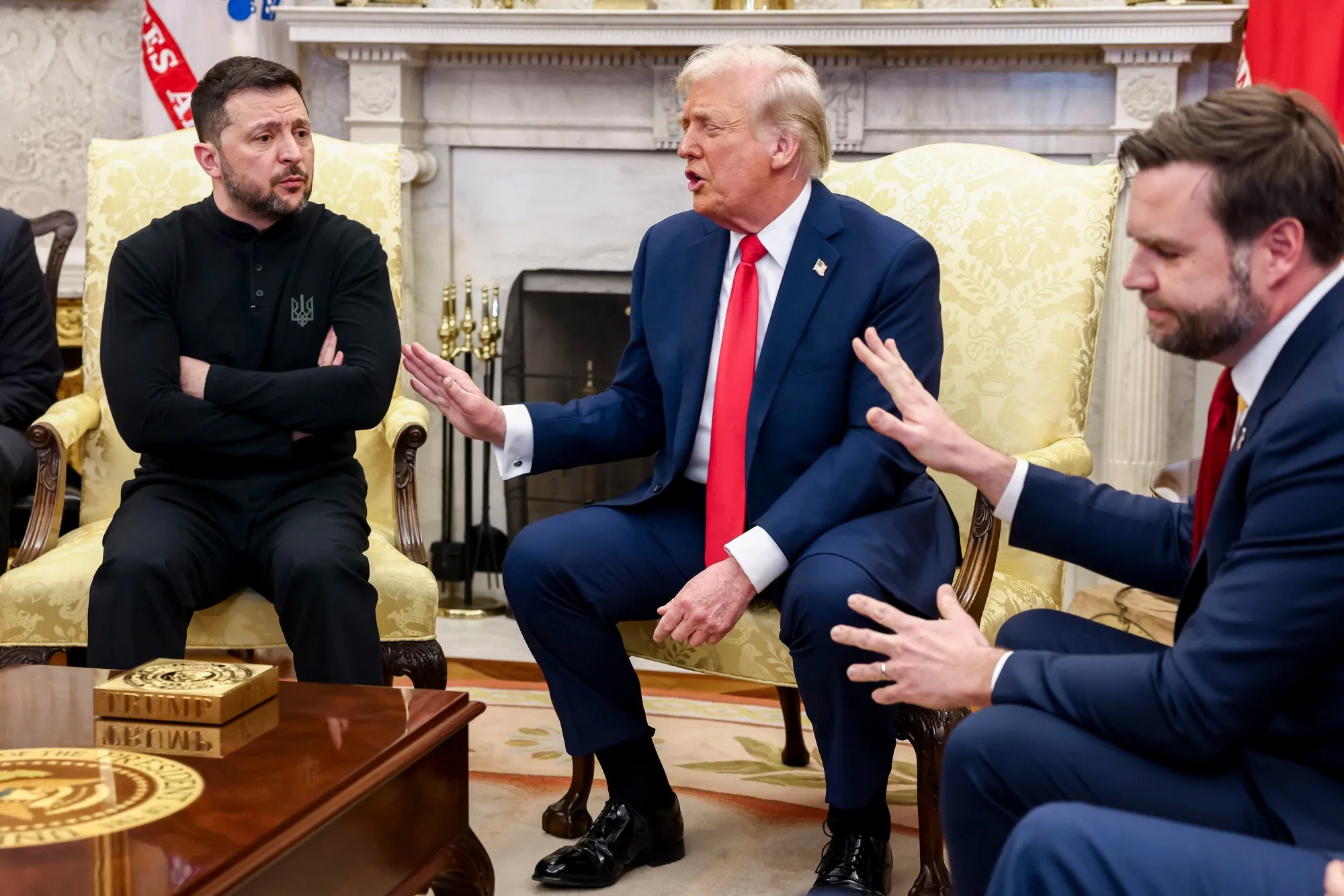
Introduction
Despite discussions surrounding a potential “minerals deal” between the US and Ukraine, the primary obstacle in negotiations for a ceasefire between Russia and Ukraine lies in ensuring Ukraine’s future security. The concept of credible security guarantees, particularly from the United States, is crucial for Ukraine to consider entering into meaningful peace talks with Russia. Without such guarantees, Ukraine fears renewed aggression, making a sustainable ceasefire highly unlikely.
The Core Issue: Security Guarantees
Credibility at the Center
At the heart of this dilemma is the notion of credibility. According to American game theorist Thomas Schelling, who analyzed deterrence during the Cold War, credibility in security guarantees is what deters aggression. Schelling explained how a small contingent of American troops in West Berlin served as a “tripwire” force. Although insufficient to stop an invasion alone, their presence guaranteed that an attack would provoke a massive US response.
In Ukraine’s case, any third-party guarantor—especially the US—must commit not just rhetorically but through credible military deterrence. Without such a commitment, Ukraine has no reason to trust any deal.
Tripwire Forces: A Historical Precedent
A tripwire force refers to a small military deployment that, if attacked, would trigger a much larger military response from the home nation or its allies. During the Cold War, US troops in West Berlin symbolized America’s commitment to NATO and European security. Their presence alone deterred Soviet aggression because an attack on them would inevitably draw the United States into war.
For a tripwire to be credible, two conditions must be met:
- The nation that deploys the tripwire force must be fully committed to avenging any harm to its troops.
- The nation must be capable of defeating the aggressor if deterrence fails.
In Ukraine’s situation, any credible tripwire—whether American or a coalition force—would require absolute commitment from the US to defend Ukraine if Russia attacks again.
Ukraine’s Security Dilemma
President Zelenskyy’s Concerns
Ukrainian President Volodymyr Zelenskyy remains skeptical about US security commitments, especially under Donald Trump. During their Oval Office meeting last week, Trump reassured Zelenskyy that he wasn’t concerned about Ukraine’s security but was focused on “getting the deal done.” This stance undermines Ukraine’s trust in any US-backed peace deal.
For Zelenskyy, security guarantees need to be credible and robust, backed by the US and its allies. Yet, Trump’s reluctance to commit militarily diminishes Ukraine’s confidence.
Lessons from History
- In 1949, US troops in East Asia deterred North Korean aggression, but a reduction in American forces by 1950 encouraged North Korea to attack South Korea, leading to war.
- The key lesson: credible deterrence requires consistent and committed military presence.
The US Under Trump: Moving Away from Security Commitments
Under Trump, the US appears to be distancing itself from providing robust security guarantees. This shift makes it difficult to establish credible deterrence, leaving Ukraine vulnerable even after a ceasefire agreement.
During the Cold War, American presidents from both parties recognized that global hotspots like West Berlin were about more than military strategy—they were about protecting the “pride, honour, and reputation of the United States,” as Schelling put it. Today, Trump’s focus on closing a deal, rather than ensuring security, leaves Ukraine’s leadership deeply concerned.
Key Features of the Situation
- Credibility Crisis: Without credible US security guarantees, peace talks remain unlikely to succeed.
- Tripwire Deterrence Model: Effective deterrence requires troops on the ground backed by unwavering political will.
- Zelenskyy’s Security Demands: Ukraine insists on American-backed security guarantees before considering ceasefire terms.
- Trump’s Priorities: More interested in economic deals than military commitments, weakening trust in US leadership.
- Historical Lessons: Past failures in deterrence, such as the Korean War, underline the risks of inadequate military guarantees.
Conclusion
The path to peace in Ukraine hinges not on economic agreements or political optics but on credible security assurances, particularly from the United States. Without a firm commitment from Washington, Ukraine has little reason to trust any ceasefire brokered by Donald Trump or any other party. As history has shown, deterrence only works when backed by unwavering capability and credibility.

