
Transgender Inclusion in India, Legal Advances, Social Hurdles, and the Path Ahead
Why in News?
The International Transgender Day of Visibility, observed on March 31, draws attention to the persistent challenges faced by transgender individuals in India, despite the existence of progressive laws like the Transgender Persons (Protection of Rights) Act, 2019.
Introduction 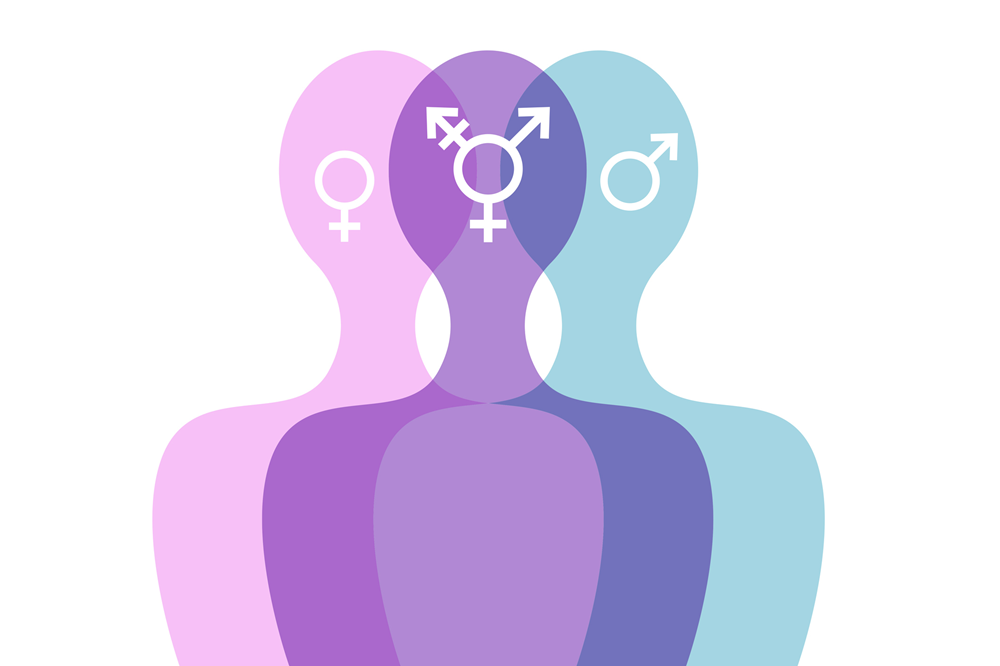
While legal recognition of transgender rights has progressed, societal stigma, discrimination, and poor policy implementation continue to restrict the transgender community’s access to education, employment, healthcare, and social inclusion. True inclusion requires not just visibility but strong anti-discrimination laws, systemic reform, and widespread awareness.
Key Issues and Background
1. Legal Recognition vs Ground Reality
-
The Transgender Persons (Protection of Rights) Act, 2019 aims to ensure equality but suffers from weak implementation.
-
As of December 2023, only 15,800 certificates were issued out of 24,115 applications, with 3,200 still pending.
-
In Delhi, despite a transgender population of over 4,200, only 23 identity cards had been issued by April 2022.
-
The certification process is bureaucratic and doesn’t align with global self-determination standards.
-
The law lacks clarity on protection from police harassment, family rejection, and workplace discrimination.
2. Economic Exclusion and Discrimination
-
Only 6% of transgender persons received loans or credit, according to the 2023 NHRC report.
-
High unemployment rates: 48% transgender unemployment (2022), compared to the national average of 7-8%.
-
Discrimination in hiring, workplace bias, and absence of gender-neutral facilities lead to exclusion.
-
Companies like Tata Steel have employed over 100 transgender persons, but broader industry adoption is minimal.
-
Though the Finance Ministry allowed LGBTQ+ persons to open joint bank accounts in 2024, many still face economic exclusion.
3. Hurdles in Education and Health-Care Access
-
The 2011 Census showed 56.1% literacy among transgender persons (national average was 74.04%).
-
In Kerala, 58% drop-out rate was reported due to bullying and harassment.
-
Inclusive policies exist in some states (e.g., transgender cells in colleges in Maharashtra, reserved seats in Kerala), but there is no national policy.
-
Healthcare issues include lack of gender-sensitive training, inadequate mental health support, and poor infrastructure.
-
The Ayushman Bharat TG Plus scheme is under-implemented, with a coverage gap between ₹2–5 lakh.
The Core of the Concern
Despite legal provisions, systemic discrimination—starting from families to workplaces—continues to isolate transgender individuals. Without structural reforms in bureaucracy, education, healthcare, and social perception, mere laws cannot ensure dignity and equality.
Key Observations
-
Legal processes are complex and slow, discouraging certification and access to welfare schemes.
-
Economic and workplace exclusion is reinforced by deep-rooted biases.
-
Healthcare remains inaccessible, with 27% of gender-affirming treatment claims being rejected.
-
Societal change must accompany legal reform for genuine inclusion.
Conclusion
The International Transgender Day of Visibility reminds us that legal reforms are only one part of the solution. For India to be truly inclusive, it must go beyond tokenism to implement policies that offer genuine support—through education, employment, healthcare, and legal protection—while changing societal attitudes. Only then can transgender persons move out of the margins into the mainstream.
Q&A Section
Q1. What is the significance of March 31 in the context of transgender rights?
March 31 is observed as International Transgender Day of Visibility, highlighting the struggles and rights of transgender individuals.
Q2. What percentage of transgender people in India were unemployed as of 2022?
According to a 2022 survey, the transgender unemployment rate was 48%, far higher than the national average of 7–8%.
Q3. How many transgender identity certificates were issued by the end of 2023?
Only 15,800 certificates were issued out of 24,115 applications, with over 3,200 pending beyond the mandated time.
Q4. What are some healthcare challenges faced by transgender individuals?
They face systemic discrimination, lack of transgender-specific care, mental health neglect, and limited access to gender-affirming treatments.
Q5. What steps are suggested to help mainstream transgender inclusion?
Recommendations include inclusive policies in workplaces and education, diversity hiring, awareness campaigns, and setting up transgender health clinics and mental health services.
