
Trade, Let’s Look Across as Many Seas as Possible
India’s chance to emerge as the world’s next big factory would brighten if Indian policy turns more export-oriented. Today’s flux should make us give dynamic trade blocs another look. 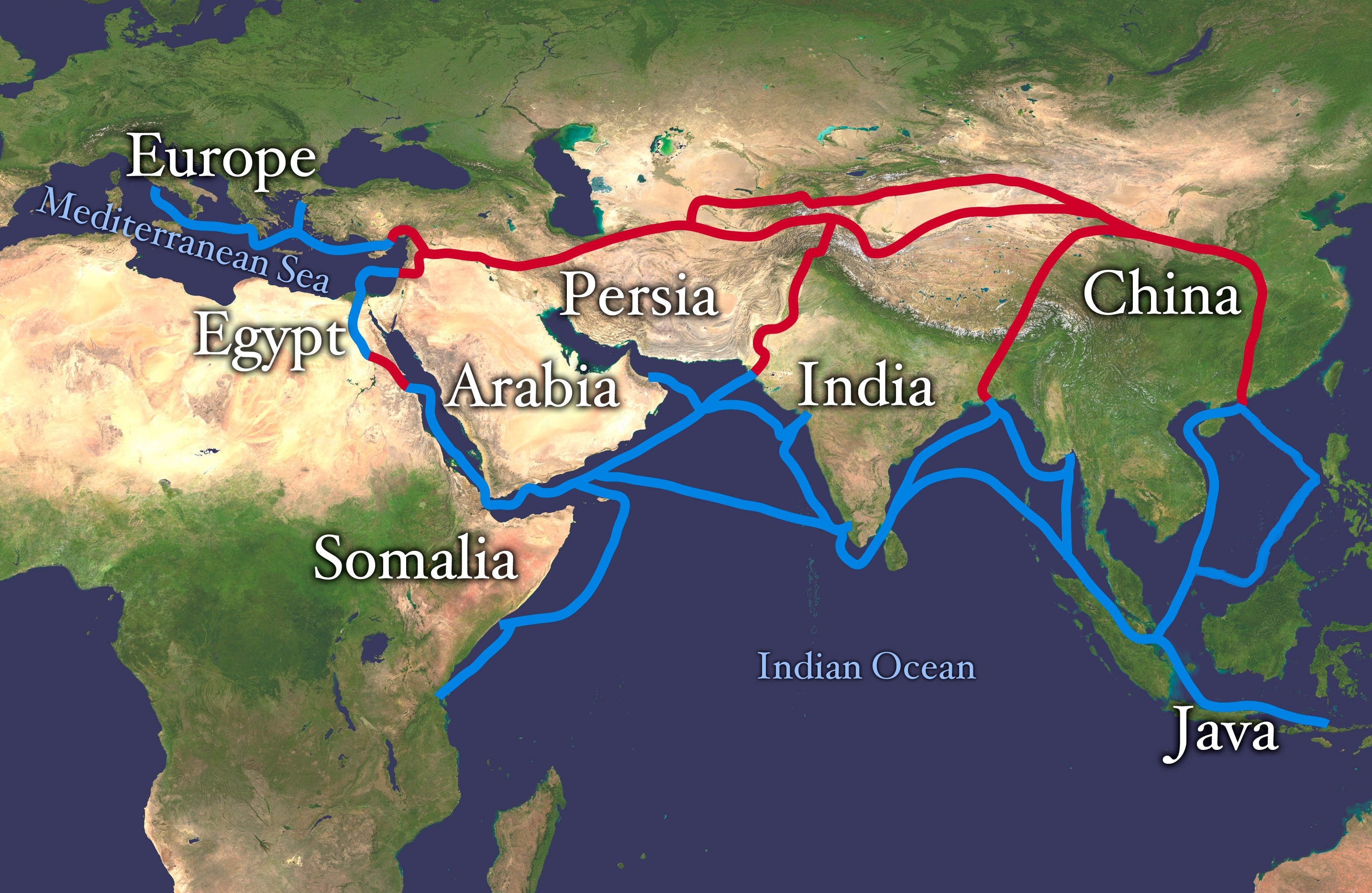
Why in News?
As the world adjusts to shifting global trade dynamics — especially with America’s retreat from global trade leadership — India has a unique chance to position itself as the next big factory. To seize this opportunity, India must adopt a more export-oriented policy and rethink its trade strategies.
Introduction
The global trade environment is evolving. US trade policy, once a champion of free trade, is now more inward-looking. Simultaneously, regional trade agreements and supply chain diversification offer India a fresh opening. The question is: can India respond with agility?
Key Issues and Opportunities
1. The Changing Global Trade Order
-
US retreat has left space for others to shape global trade.
-
Regional trade blocs are gaining importance.
-
Supply chains are moving away from China, seeking diversification.
-
India must decide whether to engage actively or stay on the sidelines.
2. India’s Trade Policy Dilemma
-
India withdrew from RCEP (Regional Comprehensive Economic Partnership), citing concerns about domestic industry impacts.
-
However, the broader engagement with ASEAN, the EU, and other partners remains crucial.
-
The current global flux demands a recalibrated, outward-looking trade approach.
3. Leveraging India’s Strengths
-
India has an opportunity to become a global manufacturing hub.
-
To do so, it must improve production efficiency, reduce logistics costs, and simplify trade policies.
-
A robust export ecosystem is essential to fully utilise India’s strengths.
Challenges and the Way Forward
1. Balancing Domestic Interests
-
Protection of domestic industries is necessary, but it must be balanced with an export growth strategy.
-
Policies should ensure non-distorting tariffs and encourage integration with global value chains.
2. Addressing Supply Chain Shifts
-
Global companies are seeking alternatives to China.
-
India must position itself as a reliable partner in these emerging supply networks.
-
Targeted reforms can help India capture this opportunity.
3. Engaging in Trade Blocs
-
India should reconsider its stance on dynamic trade blocs like RCEP.
-
Participating in such frameworks can provide market access and enhance competitiveness.
-
Bilateral and regional agreements must be pursued strategically.
Conclusion
India’s moment to become a global trade powerhouse is here. To achieve this, export orientation, supply chain integration, and dynamic trade engagement are vital. By aligning its policies with this vision, India can thrive in the new global trade landscape.
5 Questions & Answers
Q1: What is the current global trade opportunity for India?
A: India can position itself as the world’s next big factory, leveraging supply chain shifts and global trade realignments.
Q2: Why is export orientation important for India now?
A: Export orientation will help India integrate into global value chains, attract investment, and drive economic growth.
Q3: What challenges does India face in trade policy?
A: India must balance domestic industry protection with the need to engage dynamically in global trade blocs and improve production efficiency.
Q4: Why did India withdraw from RCEP?
A: India withdrew from RCEP due to concerns about domestic industry competitiveness and potential trade imbalances.
Q5: What should India’s trade strategy focus on?
A: India should focus on enhancing competitiveness, participating in trade agreements, improving logistics and infrastructure, and building a robust export ecosystem.

