

The Shifting Landscape of Higher Education and its Implications
Why in News?
The higher education system, particularly universities, is witnessing a worrying transformation. Once seen as bastions of independent thinking and free inquiry, universities are increasingly shaped by bureaucratic control, ideological gatekeeping, and centralised governance. This shift threatens academic freedom, intellectual diversity, and democratic values. 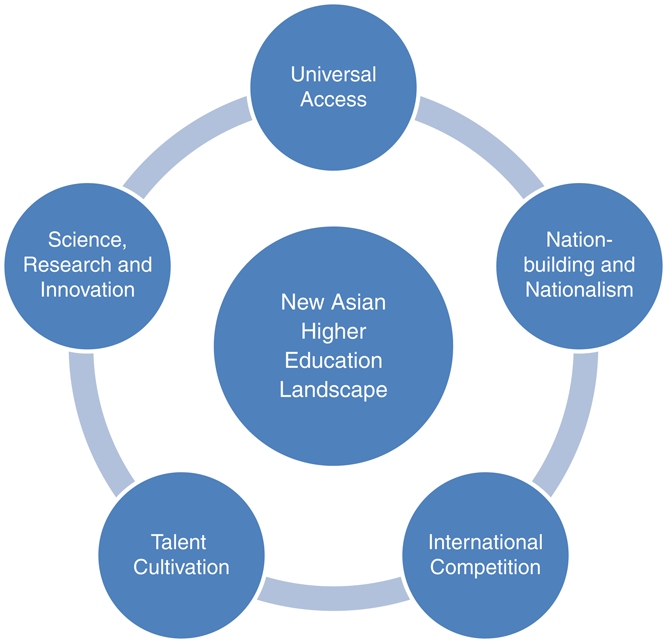
Introduction
Historically, higher education has served as a catalyst for societal advancement—fostering critical thought, innovation, and open dialogue. However, recent trends indicate a move toward regimentation and conformity, driven by political, economic, and ideological pressures. This raises concerns about the quality, autonomy, and purpose of academic institutions.
Key Issues
1. From Independence to Centralisation
-
Universities earlier enjoyed curriculum autonomy and freedom in academic hiring.
-
Now, regulatory bodies like UGC and NEP frameworks often impose rigid structures, ignoring local academic needs.
-
Academic content is increasingly controlled by centralised agendas, often influenced by political or economic interests.
2. Suppression of Critical Perspectives
-
There is rising pressure to avoid controversial topics and to silence dissenting voices.
-
Courses are revised to align with dominant ideologies, sidelining alternative views and critical humanities disciplines.
3. Market-Driven Education
-
Education is now judged by its marketability and placement potential.
-
Emphasis has shifted toward STEM and vocational training, while liberal arts and critical thinking subjects are devalued.
-
Ranking pressures and performance metrics have further worsened the academic climate.
4. Corruption of Academic Governance
-
Academic leadership is being replaced by political appointees with little academic merit.
-
Proposals suggest giving administrative powers to those from non-academic fields, which threatens university autonomy.
Challenges and Way Forward
-
The erosion of academic freedom undermines the role of universities in shaping democratic, critical, and informed citizens.
-
There is a pressing need to restore autonomy in teaching, curriculum design, and institutional governance.
-
Universities must resist the commodification of knowledge and reaffirm their commitment to liberal education, inclusivity, and free thought.
Conclusion
The disconcerting shift in the educational landscape is not just a bureaucratic issue but a profound challenge to democracy and intellectual independence. Preserving the sanctity of higher education requires resisting politicisation, restoring academic autonomy, and safeguarding the role of universities as spaces for open dialogue, critical engagement, and societal progress.
5 Q&A Based on the Article
Q1. What is the primary concern highlighted about the current state of higher education?
A: The growing centralisation and bureaucratic control over academic institutions, which suppresses independent thought and critical inquiry.
Q2. How has the academic curriculum been affected by recent changes?
A: Curricula are now increasingly shaped by centralised mandates, leaving little room for faculty or institutional autonomy, often leading to ideological conformity.
Q3. Why are subjects like humanities and liberal arts at risk?
A: Because education is now evaluated by market utility and placement potential, disciplines not seen as ‘marketable’ are devalued or excluded.
Q4. What changes are being proposed in academic leadership and governance?
A: Academic governance may soon include non-academic professionals, weakening scholarly input and academic freedom.
Q5. What is the broader impact of this educational shift on society?
A: It threatens democratic values, reduces creativity, marginalises diverse voices, and undermines universities as spaces of free and critical thought.

