
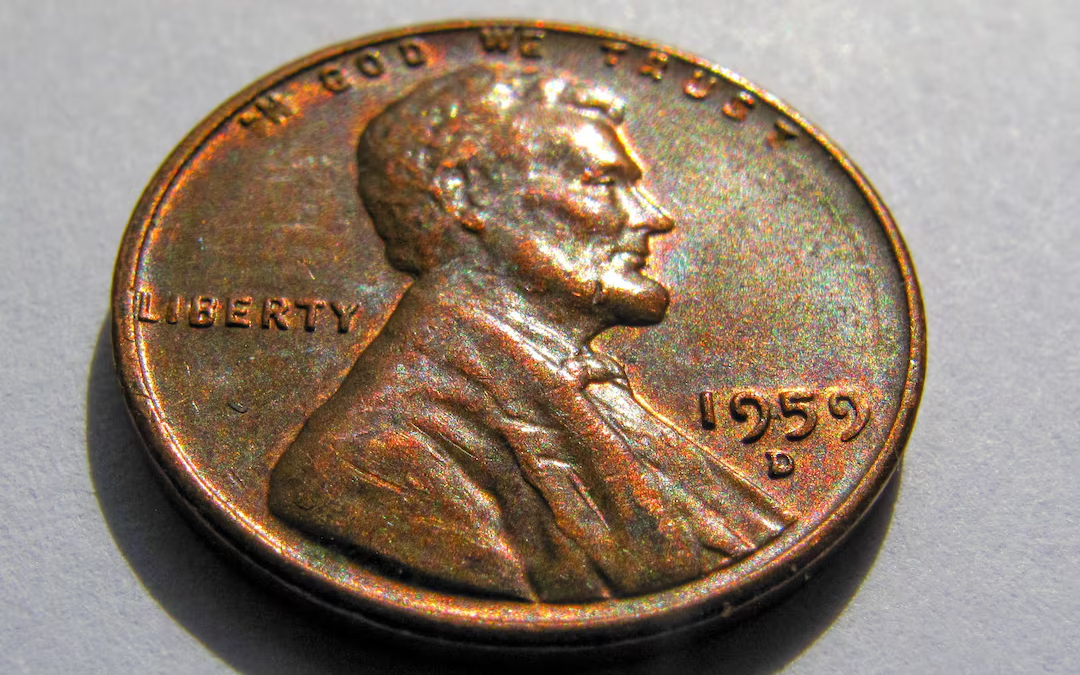
The Penny: A Story of Survival, Waste, and Creative Reuse
Why in News
The humble penny, once an essential part of currency systems, has resurfaced in debates over its practicality and value. Recent discussions on its cost, significance, and creative uses have reignited public interest. Despite being considered a wasteful act of minting by some, the penny continues to have survival value and cultural significance, which tells a deeper story about human innovation and imagination in monetary systems. 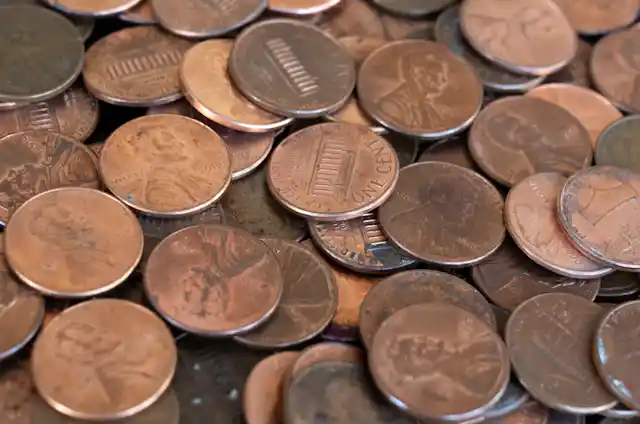
Key Features
- Historical Significance: The penny has been a symbol of thrift, famously captured in Benjamin Franklin’s saying, “A penny saved is a penny earned.”
- Economic Reality: The cost of producing a penny exceeds its face value. It costs about 4 cents to mint a single penny in the US.
- Policy Debates: Political figures, including Donald Trump, have criticized the minting of pennies as a waste of resources. Efforts have been made to stop their production.
- Creative Uses: Despite its low monetary value, the penny finds use in creative ventures. Entrepreneurs repurpose zinc-coated cents into souvenirs and stamped emblems.
- Symbol of Human Imagination: The penny symbolizes the abstract nature of money and value, highlighting humanity’s ability to create systems of exchange based on imagination and trust.
- Cultural Relic in a Digital Age: As financial transactions become more digital and abstract, the penny serves as a tangible reminder of older currency forms.
- Economic Debate on Currency Efficiency: The penny raises broader questions about the efficiency and rationale behind continuing outdated currency practices.
- Educational Value: Pennies are often used as teaching tools to explain basic economic concepts, savings, and the evolution of money.
- Nostalgia and Collectibles: Some pennies hold sentimental and collectible value, making them desirable beyond their face value.
- Survival Beyond Practicality: The penny’s continued existence demonstrates how traditions and symbols can persist even when they defy pure economic logic.
Article
Of the many things that define Homo sapiens, storytelling is among the most powerful. We tell stories about ourselves, our past, and even our imagined futures. Among the most enduring stories is the one about money and currency. As modern economies have evolved, so too has the medium of exchange. From scanning QR codes to using cryptocurrencies, today’s financial systems are abstract and complex. Yet, these high-tech advancements pale in comparison to the simplicity of the old-fashioned coin—the penny.
Benjamin Franklin’s famous adage, “A penny saved is a penny earned,” rings hollow today when considering the economic reality behind minting pennies. Decades of inflation have reduced the purchasing power of the smallest unit of US currency. A hundred pennies make a dollar, but in terms of value, the penny is practically obsolete. In fact, it costs about four cents to mint a single penny—a loss-making endeavor that has irritated fiscal conservatives for years.
Donald Trump, during his political campaigns, echoed this frustration and proposed halting the minting of the penny altogether. The US Mint has, on occasion, been ordered to stop producing the coin, sparking debates about whether such small-denomination coins still have a place in modern economies.
However, the story doesn’t end there. Despite its inefficiency, the penny finds renewed life in the hands of entrepreneurs and artists. Its zinc coating makes it malleable, perfect for stamping images, emblems, or logos, such as tourist landmarks and cartoon characters. These creatively repurposed coins are sold as souvenirs, often fetching prices well above their original value.
The penny’s survival—despite being considered economically irrational—reflects the peculiar human ability to find meaning beyond strict economic calculation. It reminds us that money and value are social constructs, rooted in human imagination and trust rather than intrinsic worth.
While accountants and economists debate the penny’s relevance, its continued use tells a broader story: one of nostalgia, creativity, and the enduring legacy of human storytelling through objects of exchange.
Questions and Their Answers
-
Why is the penny considered a wasteful act of minting?
The cost of producing a penny is about 4 cents, which is more than its actual face value, making it an economically inefficient coin. -
Who famously said, “A penny saved is a penny earned”?
Benjamin Franklin. -
What action did Donald Trump take regarding the penny?
He ordered the US Mint to stop minting pennies as part of his campaign to cut wasteful spending. -
What is the main material used in modern US pennies?
They are zinc-coated, making them malleable for stamping and artistic purposes. -
How have entrepreneurs creatively reused pennies?
They stamp pennies with emblems, tourist destination outlines, and cartoon characters to sell as souvenirs. -
What does the penny symbolize in today’s digital economy?
It serves as a tangible reminder of older, simpler forms of currency amid increasingly abstract digital transactions. -
How does the penny reflect human imagination?
Its continued use and repurposing highlight humanity’s ability to create meaning and value beyond pure economic logic. -
What are some reasons given by critics for discontinuing the penny?
Its high production cost and low practical value, which make it an inefficient part of the currency system. -
Why might people still value the penny despite its economic inefficiency?
Nostalgia, collectible value, educational purposes, and its creative reuse keep the penny relevant in various ways. -
What larger concept does the penny’s survival illustrate about money?
It demonstrates that money and value are constructs of human imagination and trust rather than strictly economic considerations.

