
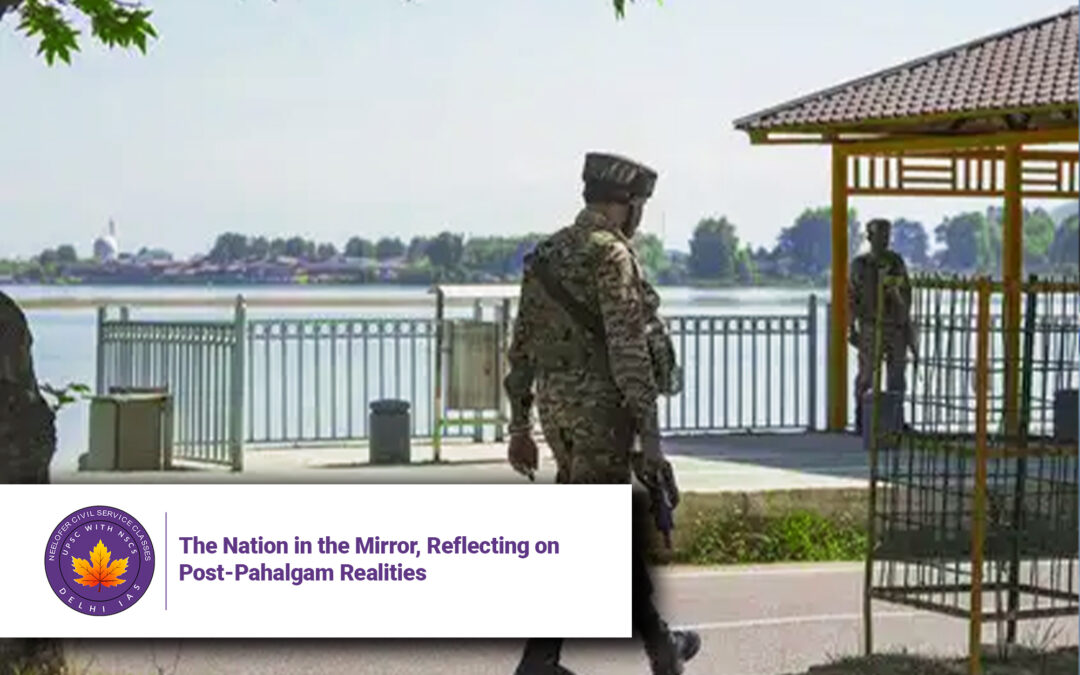
The Nation in the Mirror, Reflecting on Post-Pahalgam Realities
Why in News?
The recent developments following the Pahalgam incident and the ensuing societal and political reactions have sparked a need for introspection about India’s collective identity and the direction in which the nation is headed. 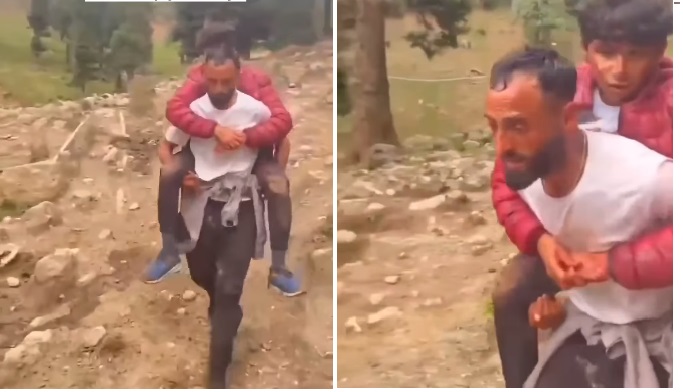
Introduction
In the aftermath of the Pahalgam killings, India finds itself at a crossroads, grappling with questions about its evolving collective identity. The incident has triggered intense debate on how the nation should respond — with some sectors of society showing disbelief and disappointment in the government’s handling and public discourse increasingly shaped by ideological narratives. These discussions highlight deeper concerns about the nation’s unity and values as it faces rising tensions and communal polarizations.
Key Issues and Background
-
Polarized Public Discourse:
Political leadership and media have been criticized for generating an atmosphere of hysteria and for framing the situation in a highly divisive manner. The developments have given rise to fear, anger, and mistrust, especially along communal lines. -
Collective Identity at Stake:
The incident forces India to examine its identity as a secular and pluralistic democracy. There is a growing need to resist narratives that portray communities in binary opposition and to foster a more nuanced understanding. -
Muslim Constituencies and Alienation:
Many Muslim citizens feel alienated due to the political and social environment, which has been exacerbated by the demonization and stereotyping of the community. This alienation poses a challenge to the nation’s social fabric. -
Danger of Escalation:
The article warns that if the existing mistrust and communal polarization deepen, it could lead to a breakdown of social cohesion and threaten the nation’s unity.
The Core of the Concern
-
No Room for Complacency:
India’s democracy depends on the inclusion and protection of all citizens. The current situation demands patience, empathy, and a steadfast commitment to democratic values. -
Need for Responsible Leadership:
Political actors must avoid exploiting communal tensions for short-term gains. Instead, there should be a focus on healing, dialogue, and inclusive governance. -
Beyond Headlines:
It is important to move beyond sensational media coverage and engage with the root causes of conflict, promoting understanding and coexistence.
Challenges and the Way Forward
-
Curbing Communalism:
Combating divisive ideologies requires collective societal effort, including education and awareness programs that emphasize unity in diversity. -
Strengthening Secularism:
Reinforcing the constitutional commitment to secularism and equality under the law is critical to preserving national harmony. -
Dialogue and Reconciliation:
Encouraging conversations between communities to build trust and address grievances. -
Judicious Use of Media:
The media should play a constructive role by avoiding sensationalism and fostering balanced reporting.
Conclusion
The post-Pahalgam scenario is a moment of reflection for India. The nation must look into the mirror and ask difficult questions about its identity, unity, and values. Only by confronting these realities with honesty and compassion can India move forward on the path of peace and progress.
5 Questions and Answers
Q1. What incident triggered the current discourse on India’s collective identity?
A: The killing of tourists in Pahalgam and the subsequent societal and political reactions triggered intense debate on India’s collective identity.
Q2. What is the main concern regarding the political and media response to the Pahalgam incident?
A: The concern is that the response has been polarizing and communal, generating hysteria and mistrust rather than promoting unity.
Q3. Why is the alienation of Muslim constituencies significant?
A: Alienation undermines social cohesion and threatens the inclusive democratic fabric of the nation.
Q4. What is suggested as the way forward to address the divisions?
A: The article suggests responsible leadership, dialogue, strengthening secularism, and constructive media roles to heal divisions.
Q5. How can media contribute positively in this situation?
A: By avoiding sensationalism, promoting balanced and factual reporting, and fostering understanding rather than division.

