
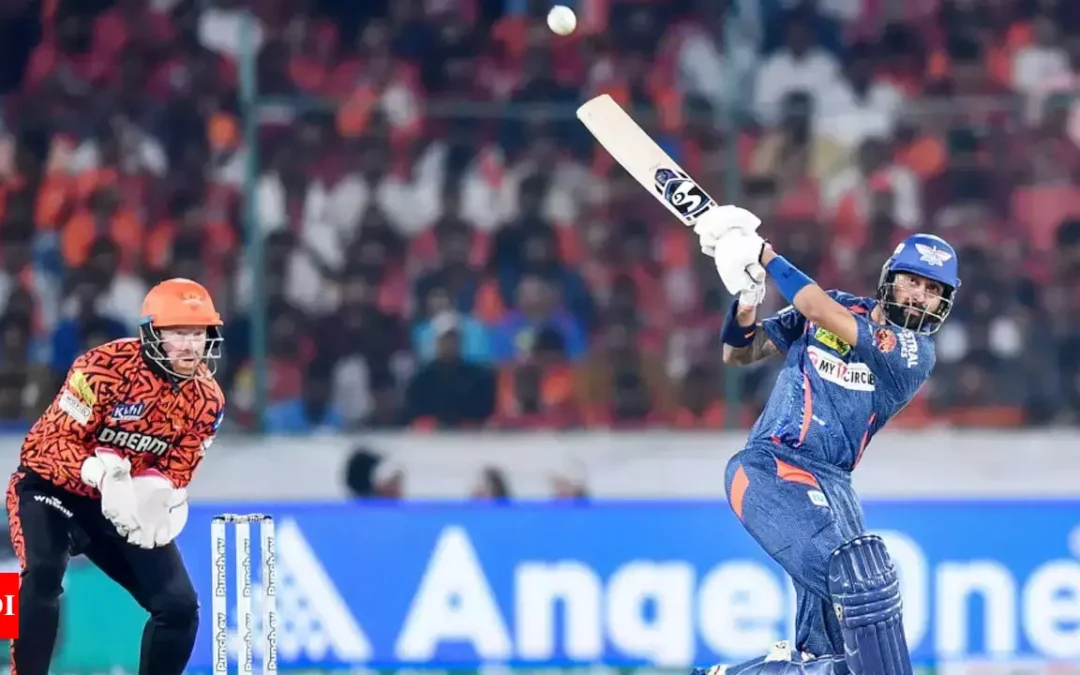
The IPL is Setting New Standards in Cricket Shortest Format
Why in News?
The Indian Premier League (IPL), entering its 18th season, continues to redefine cricket’s shortest format, both on and off the field. The tournament, which debuted in 2008 at Bengaluru’s M. Chinnaswamy Stadium, has grown into a global sporting juggernaut with immense commercial clout and influence on international cricket. 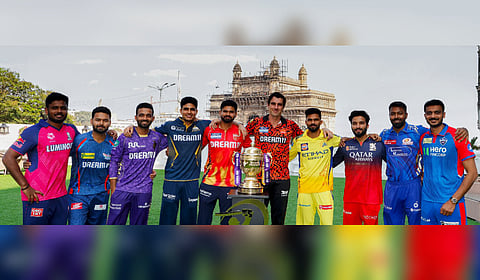
Introduction
The IPL 2025 season kicked off with defending champions Kolkata Knight Riders (KKR) facing Royal Challengers Bengaluru (RCB) at the Eden Gardens. The tournament’s popularity has surged over the years, attracting huge fan bases, intense competition, and unprecedented commercial success.
-
The IPL features 10 teams playing in a cross-league format over two months, culminating in the final on May 25.
-
The league is recognized as cricket’s gold standard, with its influence surpassing other domestic leagues, including those in Australia and elsewhere.
-
The event’s high viewership and large stadium audiences showcase its global appeal.
Key Issues
-
Commercial Influence and Alcohol Ban:
-
The Indian government’s recent ban on alcohol and tobacco companies using IPL telecasts for surrogate advertising is a welcome step.
-
This move aims to protect young audiences, given the massive youth following of the league.
-
The restriction is seen as both necessary and responsible to prevent indirect promotion of harmful products.
-
-
Impact on Domestic Cricket:
-
Traditionally, the Ranji Trophy was the primary route for players to enter India’s national team.
-
However, the IPL has become an escalator, fast-tracking talent into the international arena.
-
Players like Ravichandran Ashwin (in the early years) and Hardik Pandya have used the IPL as a launchpad for their international careers.
-
The IPL has now become a breeding ground for future cricketing stars.
-
-
Longevity and Player Retention Challenges:
-
The IPL has retained stalwarts like:
-
M.S. Dhoni, who, at 43 years old, is likely playing his final season for Chennai Super Kings.
-
Virat Kohli and Rohit Sharma, who have been part of the IPL since its inception.
-
-
However, player retention is becoming a challenge for smaller cricketing nations, as their stars are increasingly prioritizing lucrative IPL contracts over international commitments.
-
-
Emergence of New Talent:
-
The IPL is nurturing new talent that could potentially dominate the international cricket scene.
-
For example:
-
Jasprit Bumrah, who initially played for Mumbai Indians, is now a mainstay in India’s national squad.
-
His IPL performance enabled him to make a full-fledged return to international cricket after an injury.
-
Similar scrutiny is expected to follow other young players like Yashasvi Jaiswal and Ruturaj Gaikwad, whose performances in the IPL could influence their international careers.
-
-
Impact on Global Cricket
-
Shift in Priorities:
-
With the IPL offering massive financial incentives, many international players are prioritizing IPL contracts over their national teams.
-
This could lead to a decline in bilateral series and create scheduling challenges for international cricket boards.
-
-
Influence on Global Leagues:
-
The IPL has inspired the formation of several domestic T20 leagues, including:
-
Australia’s Big Bash League (BBL).
-
England’s The Hundred.
-
South Africa’s SA20.
-
-
However, the IPL remains the most lucrative and influential, setting the benchmark for franchise cricket.
-
-
Boost to Cricket’s Popularity:
-
The IPL’s entertainment value has attracted a wider audience, even beyond traditional cricket fans.
-
The tournament’s success has made cricket a mainstream sport in many non-cricketing nations, contributing to the globalization of the game.
-
Proposed Reforms
To sustain the IPL’s growth while maintaining its integrity, the following reforms are suggested:
-
Regulation of Surrogate Advertising:
-
Stricter enforcement of the ban on alcohol and tobacco promotions during IPL telecasts.
-
Imposing heavier penalties on companies violating advertising regulations.
-
-
Balancing Domestic and International Cricket:
-
Ensuring that the IPL calendar does not clash with major international series, preventing player burnout.
-
Introducing mandatory national commitments for players, despite lucrative IPL contracts.
-
-
Promoting Young Talent:
-
IPL franchises should focus on nurturing domestic players, giving them more playing opportunities.
-
This would boost India’s talent pool for future international competitions.
-
-
Player Welfare Measures:
-
Implementing workload management programs to prevent player injuries.
-
Ensuring mental health support for players coping with the pressures of high-stakes cricket.
-
Conclusion
The IPL 2025 season is setting new benchmarks in cricket’s shortest format, blending high-intensity performances with commercial dominance.
-
As the tournament attracts global talent, it is also shaping the future of international cricket by fast-tracking new players and influencing the global cricket calendar.
-
With responsible advertising restrictions, the IPL is also promoting ethical commercial practices.
-
Going forward, ensuring a balance between franchise and international cricket will be vital for the overall growth of the sport.
✅ Q&A Section
-
Q: How is the IPL influencing player retention in smaller cricketing nations?
A: With its lucrative contracts, the IPL is attracting top international players, making it difficult for smaller cricketing nations to retain their stars.-
Players are prioritizing financially rewarding IPL contracts over national team commitments.
-
-
Q: What reforms has the Indian government introduced regarding IPL advertising?
A: The Indian government has banned alcohol and tobacco companies from using IPL telecasts for surrogate advertising to protect young audiences. -
Q: How has the IPL impacted the Ranji Trophy’s role in Indian cricket?
A: The IPL has replaced the Ranji Trophy as the primary gateway for young Indian cricketers to enter the national team, providing them with faster exposure to international-level competition. -
Q: What challenges does the IPL face moving forward?
A: Challenges include:-
Player fatigue due to back-to-back seasons.
-
Scheduling conflicts with international cricket.
-
The need to regulate advertising and maintain ethical practices.
-

