
The Diminishing Power of Foreign Aid: How the Global South is Rising to the Challenge
Why in News?
The relevance and influence of foreign aid are steadily declining as the Global South increasingly becomes self-reliant, addressing its developmental needs with home-grown solutions.
Introduction
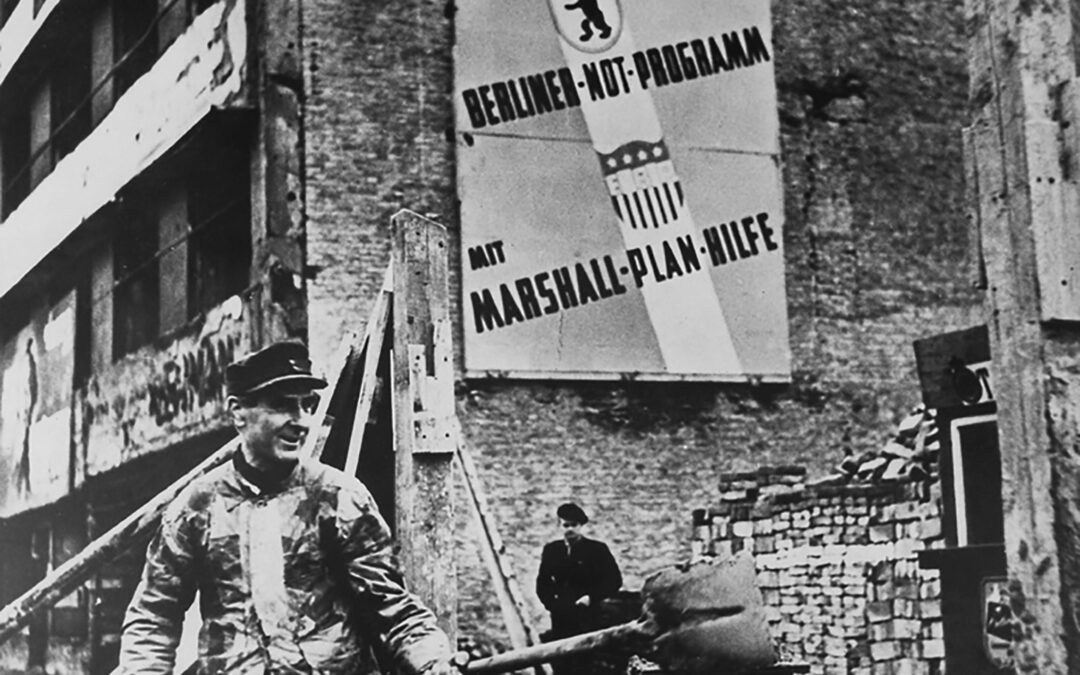
For decades, foreign aid has been a potent tool of geopolitical strategy, blending economic assistance with political motives. However, the dynamics of global development have shifted significantly. The developing world, once dependent on aid from advanced economies, is now stepping up to chart its own path toward growth and prosperity. 
Key Features of the Shift
-
Self-Determined Development
- The Global South is achieving its milestones through self-reliance rather than dependency.
- Although many nations remain in the middle-income bracket, they view this as a fair outcome of their own development journey, not as a failure of foreign assistance.
-
End of Ideological Influence
- The era of foreign aid being an ideological tool, as witnessed during the Cold War, is over.
- Strategic lending, once driven by the US, the Soviet Union, and recently China, is losing its grip on the developing world.
-
Global South Overtakes Advanced Economies
- Economies in the Global South have surpassed many advanced economies in terms of economic output.
- Countries in this region are now exporting capital rather than importing aid.
Specific Impacts or Effects
-
Declining Need for Aid
- As development issues become manageable, the need for external aid diminishes.
- The West’s influence through foreign aid is waning, with fewer opportunities for leveraging assistance to gain political or economic advantage.
-
Homegrown Solutions
- Innovative programs like MIT’s Poverty Lab and Bangladesh’s microcredit movement exemplify how the Global South has crafted effective solutions to its challenges.
- These regions are now capable of administering their own development programs successfully.
Challenges and the Way Forward
-
A Shift in Development Finance
- The dominance of international private capital has overshadowed official aid flows.
- Aid as a tool of state policy has lost its effectiveness as countries no longer rely on the West to build infrastructure or institutions.
-
The End of Bilateral Nudging
- With development benchmarks standardized globally, there’s little room for the West to use aid as leverage for bilateral negotiations.
- The humanitarian needs of developing countries are increasingly being met from within their own regions.
Conclusion
Foreign aid, once a cornerstone of global development strategies, has lost its luster and influence. As the Global South emerges stronger, with its own economic power and innovative solutions, it is clear that these nations no longer need to depend on traditional aid. The future lies in self-sustained growth, and the Global South is stepping up to meet its needs on its own terms.
Questions and Answers
-
Why is foreign aid losing its relevance?
Because the developing world is increasingly self-reliant and no longer depends on aid from advanced economies. -
What geopolitical changes have influenced this shift?
The decline of ideological foreign aid during the Cold War and the rise of the Global South as a significant economic force. -
Which countries were major foreign aid providers during the Cold War?
The United States and the Soviet Union. -
How has the Global South overtaken advanced economies?
By surpassing them in terms of economic output and becoming exporters of capital. -
What role has private capital played in this shift?
International private capital has overtaken official aid flows, reducing reliance on state-sponsored foreign aid. -
What are some examples of homegrown solutions in the Global South?
MIT’s Poverty Lab initiatives and Bangladesh’s microcredit programs. -
How did Donald Trump acknowledge the shrinking role of foreign aid?
By promoting US isolationism and recognizing the declining relevance of developed-world aid. -
Why is bilateral nudging through aid less effective today?
Development benchmarks have been codified multilaterally, leaving less scope for individual countries to leverage aid for influence. -
What has been the West’s response to this trend?
The West has used its remaining aid resources to address security and sustainability concerns but with diminishing impact. -
What is the outlook for the Global South in terms of development?
The Global South is expected to continue taking care of its humanitarian and developmental needs independently.

