

Starbucks CEO $96 Million Pay in Four Months Highlights Growing Wage Disparity
Why in News?
The growing disparity in CEO compensation has come under the spotlight once again. Starbucks’ CEO Brian Niccol earned $96 million in just four months last year, while US baristas working for the company earned an average of $18 per hour. This staggering pay gap has raised concerns about widening inequality and the justification for such massive CEO payouts. 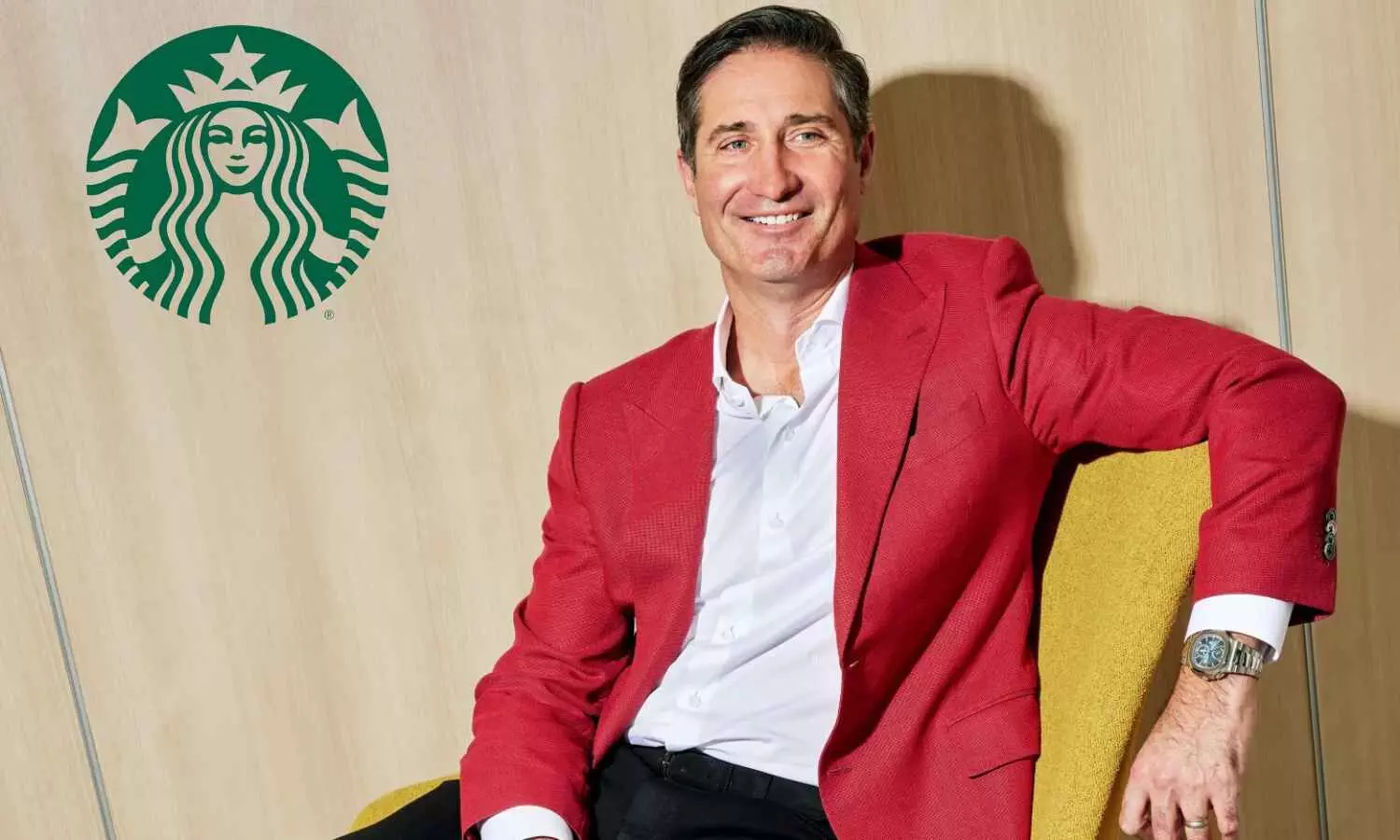
Introduction
CEO pay in large corporations has been skyrocketing, leading to questions about fairness and sustainability. In 2023, the median compensation for CEOs of S&P 500 companies reached $16.3 million. As inequality continues to grow, many are asking: why do CEOs earn so much more than their average employees, and how do companies justify it?
Key Features
- Massive Pay Gaps: At Starbucks, the pay gap between the CEO and the median employee increased from 185 times in 2022 to 196 times in 2023.
- Rising CEO Compensation: Brian Niccol’s $96 million compensation over four months exemplifies the extreme levels of pay CEOs are now receiving.
- Market Forces Argument: Some argue that CEO pay reflects market forces and efficiency. Paying less could make it difficult to attract the best talent.
- Economic Rent: Others claim CEOs earn “economic rent,” being paid far beyond what is necessary to retain them.
- Aura of CEOs: CEOs are often viewed as transformative leaders who can drive up profits, though evidence suggests they may not have as much direct impact on productivity or sales.
- Social Circles and Board Bias: Board members, often part of the same exclusive social circles as CEOs, tend to favor rewarding them generously.
- Complex Pay Structures: A significant portion of CEO pay comes as stock or shares, which aren’t considered “money in hand.” This prompts CEOs to demand even more compensation to feel satisfied.
- Fear of Losing Top Talent: Firms worry that offering “average” compensation may result in losing out on exceptional CEOs to competitors.
Specific Impacts or Effects
- Increased Pay Inequality: The wage gap between CEOs and average workers continues to widen.
- Stagnant Worker Pay: While CEO pay soars, worker salaries remain stagnant, contributing to frustration and low morale.
- Social Costs: Overpaying CEOs can lead to internal inequality within firms and disillusionment among rank-and-file employees.
- Inflated Costs for Companies: Excessive CEO pay packages can become financially burdensome for companies in the long run.
Challenges and the Way Forward
Challenges
- Balancing Fairness and Competitiveness: Attracting top talent without overpaying is a delicate balance.
- Ensuring Accountability: Companies must ensure CEOs deliver real, measurable value, not just perceived leadership.
- Addressing Inequality: Persistent pay gaps can hurt company culture and public reputation.
Steps Forward
- Transparent Compensation Practices: Firms should make CEO pay structures more transparent and align them closely with performance.
- Broader Representation on Boards: More diverse and independent board members could lead to more objective CEO pay decisions.
- Reforming Incentives: Linking a greater proportion of CEO pay to long-term, verifiable company success rather than short-term stock prices.
Conclusion
The ever-increasing CEO pay remains a contentious issue. While some justify it through market forces or the scarcity of talent, others point to deeper systemic issues within corporate governance and social dynamics. As Alexander Pepper highlights in his book If You’re So Ethical, Why Are You So Highly Paid?, ignoring these issues can be penny-wise but pound-foolish. Companies need to rethink their approach to leadership compensation before the inequality gap grows even wider.
Questions and Answers
-
Who is the CEO of Starbucks mentioned in the article?
Brian Niccol. -
How much did Brian Niccol earn over four months?
$96 million. -
What is the average hourly pay for Starbucks baristas in the US?
$18 per hour. -
What was the median compensation for S&P 500 CEOs in 2023?
$16.3 million. -
What is the term Alexander Pepper uses to explain excessive CEO pay?
Economic rent. -
Why do board members often support high CEO pay, according to Pepper?
Because they feel closer to CEOs than shareholders and are part of the same exclusive social circles. -
What is a major downside of CEO pay structures involving shares?
CEOs don’t view shares as “money in hand,” so they demand more to feel compensated. -
What social cost arises from overpaying CEOs?
It creates dissatisfaction and inequality within the company. -
How do companies justify paying top CEOs more?
They argue it’s necessary to attract the best talent in a competitive market. -
What book is referenced in the discussion about CEO pay?
If You’re So Ethical, Why Are You So Highly Paid? by Alexander Pepper.

