
Revisiting the Waqf Act, Reform or Repercussion?
Why in News?
In 2013, attempts to amend the Waqf Act of 1995 sparked intense reactions within the Muslim community. Now, as discussions around waqf reforms resurface, it’s crucial to understand the history, purpose, and implications of these proposed changes. 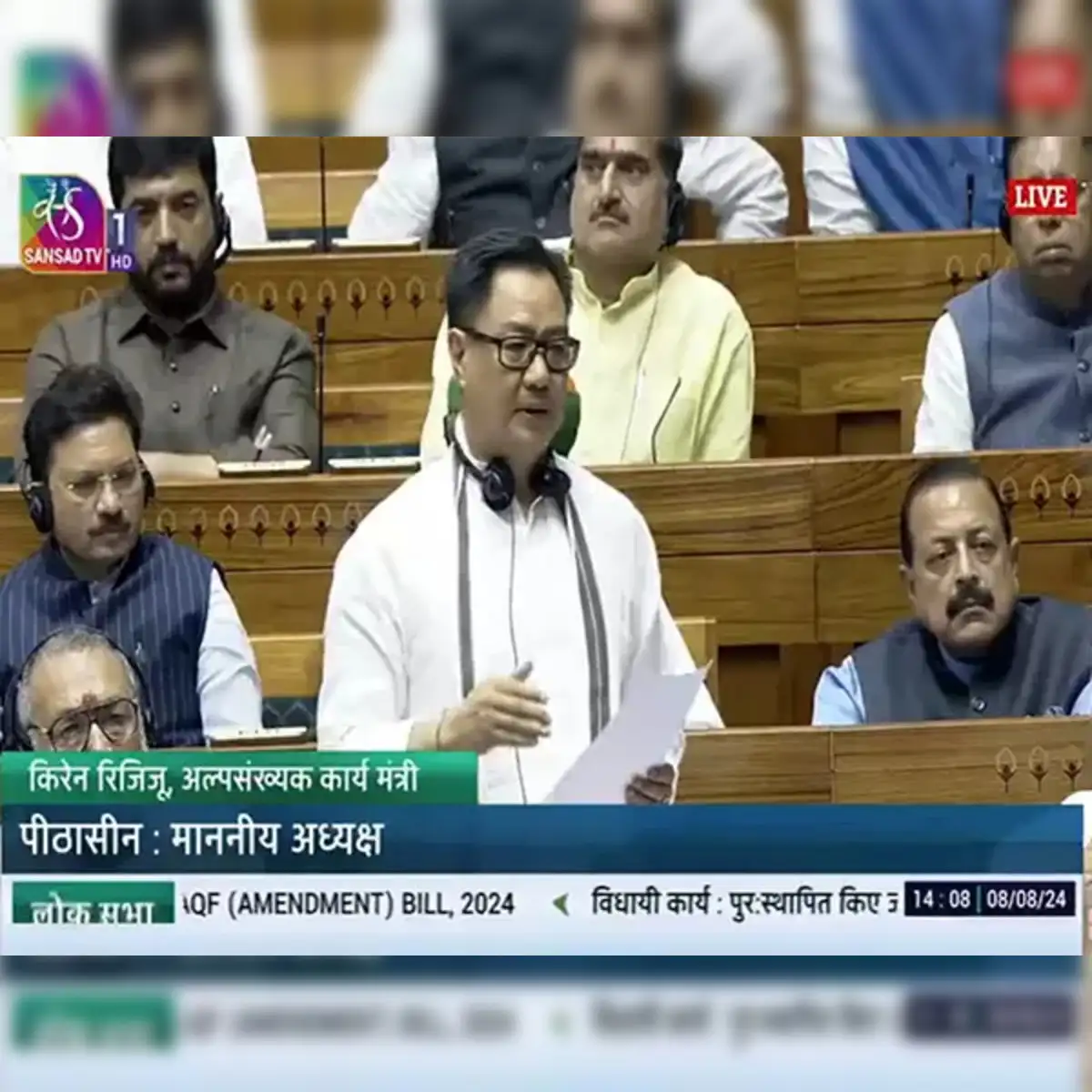
Introduction
The Waqf Act of 1995 was introduced as the Unified Waqf Management, Empowerment, Efficiency and Development Act with the intention of codifying and streamlining waqf property management in India. The law aimed to harmonize Islamic jurisprudence with practical governance while ensuring transparency, equity, and community benefit.
However, the Act has not been without controversy. Efforts to reform it, especially in 2013 under the UPA government, were met with suspicion and backlash, particularly from conservative quarters within the Muslim community.
Background and the 2013 Amendments
When Salman Khurshid served as the Minister for Minority Affairs under Prime Minister Manmohan Singh, he attempted to amend the Waqf Act to address governance concerns. These amendments proposed:
-
Streamlined registration and survey of waqf properties.
-
Broader-based Central Waqf Council.
-
Legal empowerment to prevent unauthorized use and encroachment.
-
Reformed succession laws for waqf properties.
But these reforms were met with aggressive responses. Some critics believed they were politically motivated or an interference in religious affairs. Notably, there was pushback against the idea of a waqf tribunal or altering the succession of waqf (waqf-al-aulad).
The Core of the Controversy
One provision that triggered opposition was the clause requiring a person to practice Islam for five years before being declared a waqif (one who creates waqf). Critics saw this as restrictive, raising the question: Who decides if someone is a practicing Muslim?
Another controversial aspect was transferring functions from the collector to a survey commissioner, which many feared would increase bureaucratic control and reduce community agency.
Additionally, the tribunal structure proposed in the bill was seen as both empowering and limiting—it allowed for dispute resolution but included government-appointed members, which some feared could dilute community control.
What Was Missed in the Debate?
According to Khurshid, critics missed the larger objective—to protect and optimize the use of waqf properties. Many waqf lands have been encroached upon or poorly managed due to lack of clear legal mechanisms. The amendments aimed to:
-
Protect waqf assets from unlawful usage.
-
Enable development of waqf land for education, health, and social welfare.
-
Make waqf governance more professional and accountable.
Despite its intentions, the bill struggled to balance religious sensibilities with the need for modern legal frameworks.
Conclusion
The Waqf Amendment Bill of 2013 was a significant attempt to update a traditional institution to meet contemporary needs. However, fear, misinformation, and deep-rooted mistrust led to its rejection by segments of the community.
Today, as India re-engages with waqf reforms, it must learn from 2013. Any new changes must be transparent, inclusive, and sensitive to religious values while ensuring that waqf properties serve their original charitable and social purposes.
5 Q&A: Understanding the Waqf Act Debate
Q1. What is the Waqf Act of 1995?
It’s a law that governs waqf properties in India, aiming to ensure proper registration, usage, and administration of assets donated for religious or charitable purposes under Islamic law.
Q2. Why were the 2013 amendments proposed?
To address inefficiencies, prevent misuse and encroachment, and introduce transparency and professionalism in waqf property management.
Q3. What was the main opposition to these amendments?
Critics feared government interference in religious affairs and questioned the criteria for succession and new tribunal structures. They believed these changes could weaken Muslim community control.
Q4. What role does a ‘waqf tribunal’ play in the reforms?
It was designed to provide a legal forum for resolving disputes over waqf property, though the inclusion of non-community members was contentious.
Q5. What is the way forward?
Any waqf reform must engage community leaders, uphold religious principles, and prioritize transparency and protection of assets for public benefit.
