
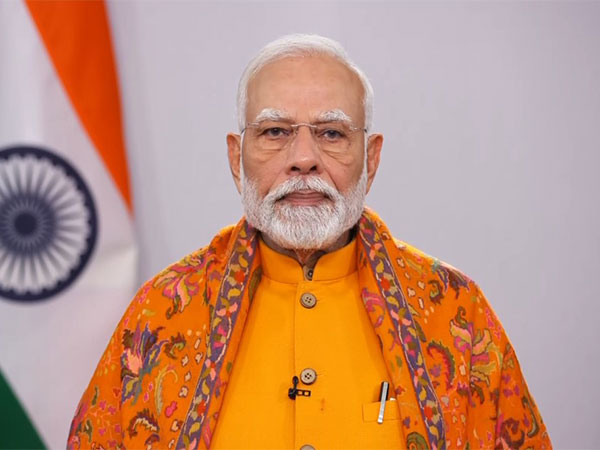
Prime Minister Modi Commitment to Women Empowerment: From Participants to Leaders in Viksit Bharat
Why in News
On the occasion of International Women’s Day, discussions have resurfaced on how Prime Minister Narendra Modi has consistently championed the cause of women’s empowerment in India. His leadership has not only included women as beneficiaries of development but as leaders and decision-makers shaping the future of a Viksit Bharat (Developed India). 
Key Features
- Transformational Leadership: PM Modi has ensured women are central to India’s progress by breaking barriers and providing leadership opportunities.
- Institutional Support: Schemes like Beti Bachao Beti Padhao, Pradhan Mantri Ujjwala Yojana, and Nari Shakti Vandan Adhiniyam have redefined women’s empowerment.
- Grassroots Participation: From village panchayats to national politics, Modi has consistently promoted women’s active participation in governance.
- Historic Interventions: Policies like 50% reservation for women in local bodies in Gujarat and ending the ‘Sarpanch Pati’ practice empowered women at the grassroots.
- Focus on Education: Initiatives like Kanya Kelavani and Nari Gaurav Niti were aimed at educating and empowering girls and women.
- Social Welfare: Programs addressing women’s safety, health, economic security, and social justice were central to Modi’s governance as Gujarat’s Chief Minister and India’s Prime Minister.
- Economic Empowerment: Sakhi Mandals and Mission Mangalam helped women become self-reliant by promoting income-generating activities.
- Cultural Sensitivity: Modi’s personal efforts to challenge gender biases, such as encouraging girls to dine with boys and ensuring equal educational opportunities, reflect his commitment to equality.
- Recognition of Natural Leadership: Modi believes women’s leadership already exists in society and only needs to be recognized and promoted.
- Long-Term Vision: His policies envision women as changemakers in India’s journey toward Viksit Bharat 2047.
Complete Article
Prime Minister Narendra Modi’s approach to women’s empowerment has never been just a slogan. It reflects values he has lived by and championed throughout his life. Witnessing the struggles of his mother, Modi learned early the importance of empowering women. From his days as an RSS pracharak to his leadership in the BJP, and later as Prime Minister, he has consistently broken barriers and challenged norms to ensure women are not mere participants but leaders in shaping India’s future.
As organizational general secretary of the BJP in Gujarat, Modi played a key role in securing 30% reservation for women in the party’s structure. But he wanted women to move beyond symbolic representation into leadership roles. As leader of the party’s women’s wing, Anandiben Patel often received his guidance, ensuring that women’s initiatives were managed by women and offered leadership opportunities.
Modi’s belief in women’s natural leadership was evident in how he promoted female candidates during elections, including for the 2009 Lok Sabha polls in Gujarat. He saw women as natural organizers at weddings and village events and believed their leadership didn’t need artificial creation but recognition.
As Gujarat’s Chief Minister, Modi’s administration introduced reforms that advanced women’s empowerment in tangible ways. He ensured entire villages and municipal areas were led by women, with female mayors, deputy mayors, and standing committee chairs. One of his most impactful interventions was ending the “sarpanch pati” practice, where men effectively controlled elected women representatives. Modi mandated that women should directly manage panchayat affairs.
During the Ahmedabad municipal elections of 1987, Modi, then state organizational general secretary, ensured that a Dalit woman was felicitated during the celebrations. When he entered his official residence as Gujarat’s Chief Minister, he invited a Dalit girl to install the kalash—a symbol of inclusion and empowerment.
Modi firmly believed gender equality should start at home. While dining at the homes of karyakartas, he insisted girls dine with boys and promoted equal educational opportunities for both.
Gujarat under Modi saw landmark initiatives. In 2003, the Kanya Kelavani program promoted girls’ enrollment in schools. The Nari Gaurav Niti launched in 2006 focused on women’s safety, health, and economic security. The Mahila Suraksha Samitis supported domestic violence survivors, and Nari Adalats provided legal aid. The Gujarat government passed a law mandating 50% reservation for women in local bodies and ensured joint ownership of houses in newly built areas post-earthquake.
Health initiatives like the Chiranjeevi Yojana promoted institutional deliveries, while the Khilkhilat ambulance service provided free transport for pregnant women. Nutrition campaigns and the Mukhyamantri Amrutum Yojana ensured healthcare access for marginalized women. Mission Mangalam engaged women in self-help groups and income-generating activities, while Sakhi Mandals played a role in microfinance and skill development. Providing 24×7 electricity also empowered women to use appliances that eased their daily household work.
When Modi became India’s Prime Minister in 2014, his lifelong commitment to Nari Shakti transformed into national policies. One of his earliest initiatives was Swachh Bharat Abhiyan, focusing on sanitation and dignity for women by building toilets. Beti Bachao Beti Padhao addressed the declining child sex ratio and promoted girls’ education. Pradhan Mantri Ujjwala Yojana provided free LPG connections to over 10 crore women, freeing them from smoke-filled kitchens.
Further, the PM Awas Yojana provided housing security, and the Nari Shakti Vandan Adhiniyam reserved one-third of seats in Lok Sabha and state assemblies for women. These efforts highlighted that under Modi’s leadership, women are no longer passive beneficiaries but leaders, entrepreneurs, decision-makers, and changemakers.
As India progresses toward Viksit Bharat 2047, Modi’s vision continues to prioritize Nari Shakti, ensuring women drive the nation’s growth and development.
Questions and Answers
-
What is the central theme of Prime Minister Modi’s approach to women’s empowerment?
Modi’s approach ensures that women are not just participants but leaders in shaping India’s development, particularly in Viksit Bharat 2047. -
What early experiences influenced PM Modi’s focus on women’s empowerment?
Witnessing his mother’s struggles and values, as well as his experiences in the RSS and BJP, shaped his commitment to empowering women. -
Which key initiative in Gujarat promoted girls’ education?
The Kanya Kelavani programme, launched in 2003, focused on massive enrollment drives for girls in schools. -
What was the purpose of the Nari Gaurav Niti introduced by Modi in 2006?
It focused on women’s safety, health, economic security, and social empowerment in Gujarat. -
How did Modi address the practice of “sarpanch pati” in Gujarat?
He ended the practice by ensuring women independently ran panchayats without interference from their husbands. -
Which health schemes were launched in Gujarat to benefit women under Modi’s leadership?
The Chiranjeevi Yojana, Khilkhilat ambulance service, and the Mukhyamantri Amrutum Yojana were significant initiatives targeting women’s health. -
What national scheme under PM Modi focused on sanitation and dignity for women?
The Swachh Bharat Abhiyan prioritized building toilets, improving sanitation, and restoring dignity for women. -
How does the Pradhan Mantri Ujjwala Yojana empower women?
It provides free LPG connections to women, reducing their exposure to harmful smoke and easing the burden of cooking. -
What is the significance of the Nari Shakti Vandan Adhiniyam?
It reserves one-third of seats in the Lok Sabha and state assemblies for women, ensuring their political representation. -
How does PM Modi’s vision align with Viksit Bharat 2047?
His policies aim to make women leaders and decision-makers, contributing to India’s growth and the vision of a developed India by 2047.

