
Old World Order is Dying, Emerging Order is Scary
Why in News?
The shifting global power dynamics, particularly in the wake of the U.S. stance on Ukraine, have raised concerns about the stability of the world order. Recent developments, including trade tariffs, geopolitical tensions, and conflicts, indicate a major transformation that could have far-reaching consequences. 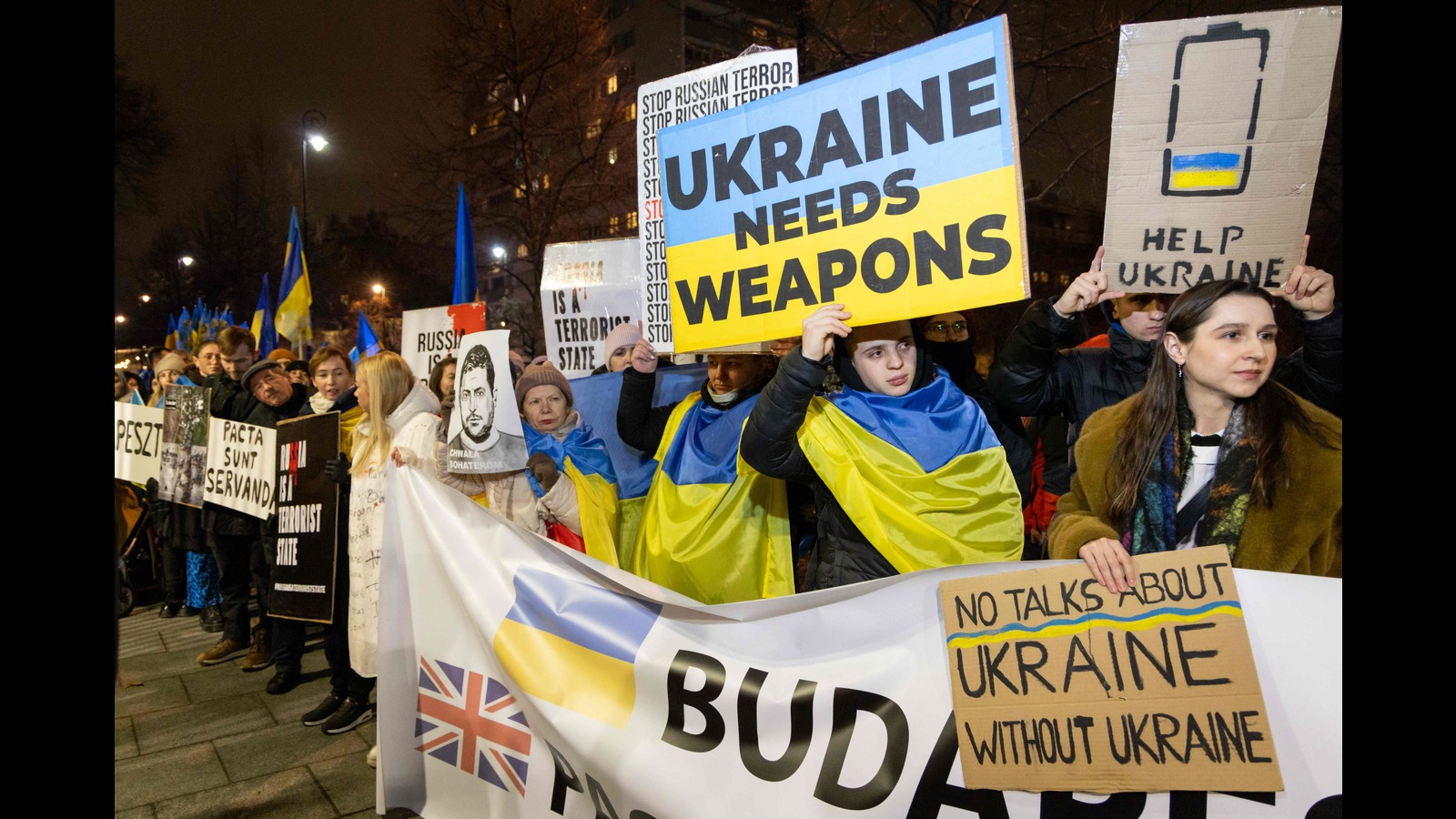
Introduction
The changing attitude of the United States towards Ukraine since the beginning of Donald Trump’s second presidency has rattled global politics. On March 5, in his address to the U.S. Congress, President Trump declared that after targeting Mexico, Canada, and China, he would impose tariffs on countries like India and Brazil. This led to immediate retaliation, causing global market instability. While Trump has temporarily suspended the new tariff orders until April 2, uncertainties remain about their implementation.
Key Features
Trade Protectionism and Global Markets:
- Economists predict economic chaos if Trump enforces tariffs in April, potentially leading to inflation and hardships for the lower middle class.
- Washington, once vocal against trade protectionism, now faces criticism for adopting similar policies under Trump’s leadership.
Geopolitical Concerns:
- Trump’s statements regarding Canada, referring to Prime Minister Justin Trudeau as a “governor,” and threats to annex Greenland have sparked concerns.
- Questions arise about potential military actions by the U.S. and their consequences for global stability, including scenarios involving Taiwan, Pakistan-Occupied Kashmir, and China’s expansionist ambitions.
Breakdown of the Global Order:
- The old global order began weakening in 1991 with the U.S. invasion of Iraq, followed by the war in Afghanistan.
- The Ukrainian crisis today is reminiscent of past U.S. interventions that led to long-term instability in the Middle East.
Strained U.S.-Allies Relations:
- European allies of the U.S. have expressed dismay over recent developments.
- U.S. Vice President JD Vance’s confrontational stance at the Munich Security Dialogue drew sharp criticism.
- French President Emmanuel Macron and British PM Keir Starmer were heckled in the White House, showcasing diplomatic tensions.
Ukraine’s Strategic Surrender:
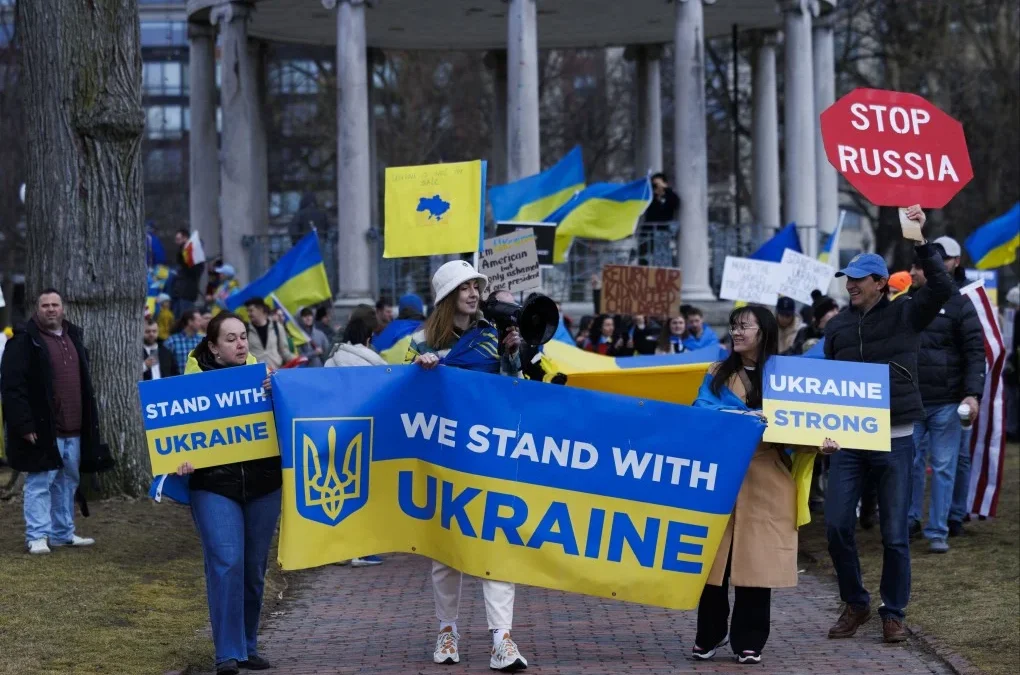
- Ukrainian President Zelensky, after facing pressure from Trump and Vance, returned to Kiev, signaling Ukraine’s potential concessions to U.S. interests.
- Questions arise about Russia’s retention of annexed Ukrainian territories and the geopolitical consequences of such an outcome.
Specific Impacts or Effects
- Human Cost of the Ukraine War: Over 43,000 Ukrainian soldiers have died, and millions have faced displacement.
- European Realignment: Europe is reevaluating its alliance with the U.S., particularly after the costly campaigns in Iraq and Afghanistan.
- Artificial Intelligence (AI) Dominance: Europe realizes its strategic mistake in allowing the U.S. to dominate AI advancements.
- Rise in Regional Conflicts: A new world order could lead to an arms race, regional conflicts, and reduced welfare spending.
Challenges and the Way Forward
Challenges:
- Addressing economic instability caused by protectionist policies.
- Managing geopolitical uncertainties and conflicts.
- Restoring trust among global allies.
Steps Forward:
- Inclusive Diplomacy: Nations must engage in open dialogue to prevent further deterioration of international relations.
- Strategic Alliances: Europe needs to reassess its foreign policy stance and reduce overdependence on U.S. policies.
- Focus on Stability: Global leaders must prioritize stability over political gains to avoid further turmoil.
Conclusion
The old world order is unraveling, with emerging geopolitical and economic uncertainties posing significant risks. While the Ukraine crisis, economic protectionism, and shifting alliances highlight the challenges ahead, addressing these concerns through diplomacy, economic cooperation, and strategic foresight is crucial for maintaining global stability.
Questions and Answers
- Why is the global order under threat?
Due to shifting U.S. policies, geopolitical tensions, and economic protectionism. - What led to market instability in March?
Trump’s announcement of tariffs on countries like India and Brazil. - Why are European allies concerned?
The aggressive U.S. stance on global matters and disregard for allies’ interests. - What is Ukraine’s current position?
Ukraine is under pressure to align with U.S. interests amid its conflict with Russia. - What happened at the Munich Security Dialogue?
U.S. Vice President JD Vance’s statements drew sharp criticism from European leaders. - How has Trump’s approach to Canada and Greenland been perceived?
His remarks and threats of annexation have caused diplomatic concerns. - What are the human costs of the Ukraine war?
Over 43,000 Ukrainian soldiers have died, and millions have been displaced. - How is Europe reacting to U.S. policies?
Reevaluating its alliance with the U.S. after past conflicts in Iraq and Afghanistan. - Why is AI dominance a concern?
Europe regrets ceding technological leadership to the U.S. - What is the biggest challenge in the emerging world order?
Preventing conflicts and maintaining economic and geopolitical stability.

