
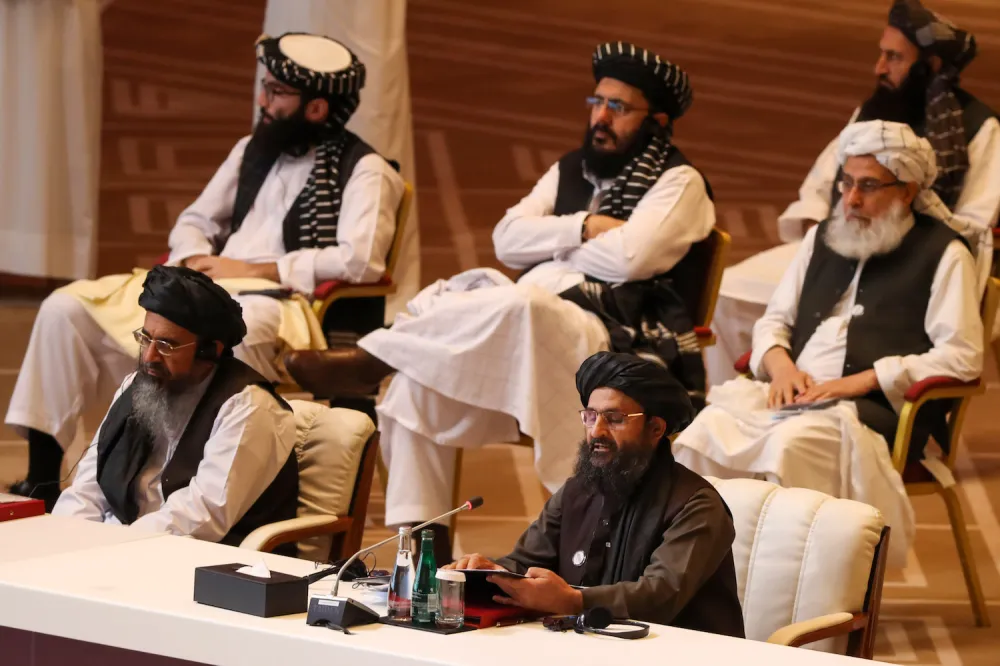
New Delhi Perilous Recalibration with the Taliban
Why in News?
India is reportedly strengthening its diplomatic ties with the Taliban by allowing Afghanistan’s regime to appoint a new envoy to its embassy in New Delhi. This move signals a significant shift in India’s foreign policy stance, potentially bringing the Taliban into its sphere of influence but also posing substantial risks.
Introduction
India’s evolving relationship with the Taliban has been building over time. It began when New Delhi reopened its embassy in Kabul in June 2022, nearly a year after the Taliban regained power. The recent high-level meeting between India’s Foreign Secretary Vikram Misri and Taliban Foreign Minister Amir Khan Muttaqi in Dubai reflects India’s growing engagement with Afghanistan’s regime.
However, the move comes with considerable concerns due to the Taliban’s human rights violations, particularly regarding women’s rights, and the risk of increased terrorism in the region. 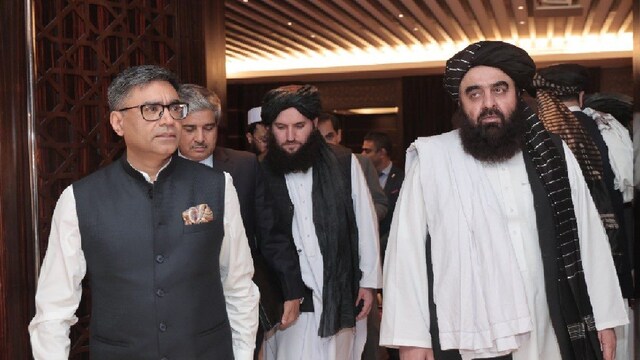
Key Issues
-
India’s Diplomatic Shift and Its Implications
-
India’s decision to accept a Taliban envoy marks a major policy shift, recognising the regime as the legitimate rulers of Afghanistan.
-
This is a significant departure from the stance of most countries, which have refused to engage with the Taliban due to their oppressive policies against women.
-
The Taliban’s restrictions on women’s education, employment bans, and recent exclusion of women from public life have been labelled “gender apartheid” by the United Nations.
-
-
Geopolitical Competition with China
-
China has already taken steps to recognise the Taliban by sending its ambassador to Kabul and funding key infrastructure projects.
-
India’s engagement is viewed as an effort to counter China’s growing influence in Afghanistan, which could have strategic benefits for New Delhi.
-
However, China’s involvement in Afghanistan is also linked to its Belt and Road Initiative (BRI), raising concerns over debt dependency in the region.
-
-
Rising Terror Threats
-
Increasing cooperation with the Taliban comes with serious security risks.
-
Afghanistan is becoming a terror hotspot, with groups like the Islamic State (IS) and Tehrik-e-Taliban Pakistan (TTP) carrying out deadly attacks in the region.
-
The TTP has claimed responsibility for several attacks on Pakistani soil, including a bombing in February that killed 180 soldiers.
-
The Taliban’s ties with these groups pose a direct security threat to India.
-
Challenges and the Way Forward
-
Terrorism and Security Risks: Engaging with the Taliban may inadvertently strengthen extremist groups, which could target Indian interests in the region.
-
Diplomatic Balancing Act: India will need to carefully balance its relationship with the Taliban while maintaining its long-standing demand for Afghanistan to be free of terrorism.
-
Regional Collaboration: New Delhi must collaborate with global partners to curb the influence of groups like the Tehrik-e-Taliban Pakistan (TTP) and prevent the spread of violence.
Conclusion
India’s recalibration with the Taliban reflects a strategic yet risky foreign policy shift. While it may offer short-term geopolitical gains, such as countering China’s influence, it also exposes India to increased terror threats and instability. New Delhi must proceed with caution, ensuring that its engagement with the Taliban does not compromise national security or human rights principles.
✅ Q&A Section
-
Q: Why is India strengthening its ties with the Taliban?
A: India is strengthening its ties with the Taliban to gain a diplomatic foothold in Afghanistan and counter China’s growing influence in the region. -
Q: What risks does India face by engaging with the Taliban?
A: The risks include increased terror threats from groups like the Tehrik-e-Taliban Pakistan (TTP) and Islamic State (IS), as well as criticism over recognising a regime accused of human rights violations. -
Q: How is China influencing Afghanistan?
A: China has sent an ambassador to Kabul, funded infrastructure projects, and is considering linking Afghanistan to its Belt and Road Initiative (BRI), strengthening its regional influence. -
Q: What recent terror incidents highlight the growing threat from Afghanistan?
A: The TTP recently carried out a bombing on Pakistani soil in February, killing 180 soldiers, while the IS claimed responsibility for an attack on the Indian consulate in Jalalabad. -
Q: What should India prioritise in its engagement with the Taliban?
A: India should prioritise security cooperation with regional partners, avoid legitimising the Taliban’s human rights abuses, and collaborate to combat terrorism in the region.

