

Managing Anaemia Before Pregnancy, A Crucial Step Toward Maternal Health
Why in News?
With maternal health being a priority in India’s public health agenda, experts emphasize the urgent need to address anaemia before pregnancy. This shift in focus is critical to reducing risks during pregnancy, childbirth, and infancy. 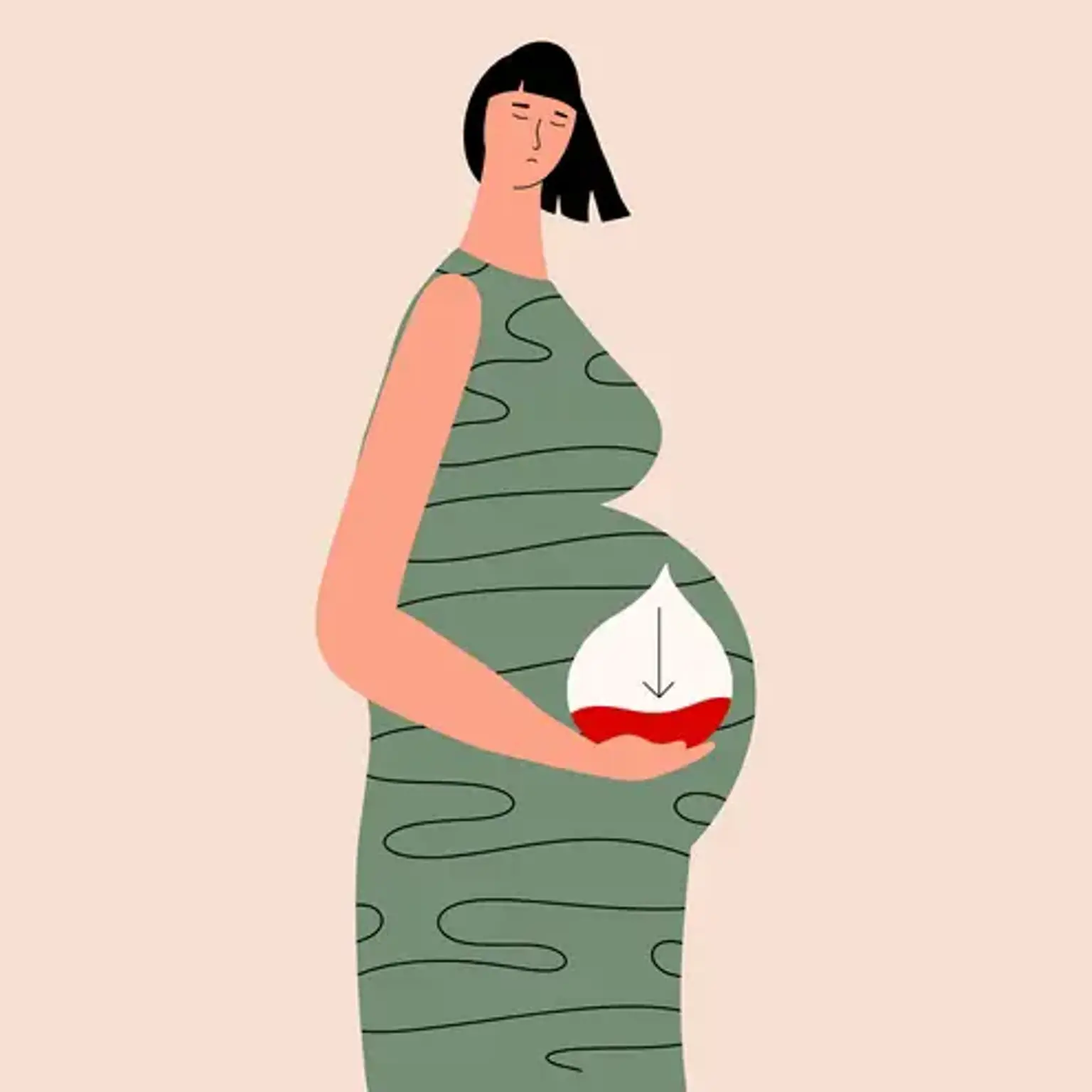
Introduction
Anaemia remains a silent threat for women across India, with many entering pregnancy already struggling with undiagnosed anaemia. Despite decades of policy interventions, the problem persists, particularly due to late detection and insufficient preconception care.
Key Issues and Background
1. Foundation Weak Before Pregnancy
-
Many women begin pregnancy with depleted iron stores due to poor nutrition and lack of early detection.
-
Women who conceive without building up iron and folate levels face heightened risks during pregnancy and childbirth.
-
Anaemia not only compromises maternal health but also impairs fetal development, increasing the risk of low birth weight, preterm birth, and neonatal complications.
2. Limitations of Current Strategy (IFA Supplementation)
-
The current method—Iron-Folic Acid (IFA) supplementation—while effective in theory, falls short due to:
-
Gastrointestinal side effects.
-
Low adherence.
-
Lack of awareness.
-
-
Women often discontinue IFA due to nausea, bloating, and constipation.
-
Iron alone is not sufficient; Vitamin B12 and other nutrients are often also deficient.
The Core of the Concern
The biggest challenge is the lack of a comprehensive preconception health strategy. Current healthcare systems rarely address anaemia before pregnancy, missing the opportunity to intervene when it is most effective—before conception.
Key Observations
-
India is home to the highest number of anaemic women of reproductive age.
-
A study published by experts like Dr. Mrutyunjaya Bellad shows that the damage from anaemia begins much before pregnancy is even confirmed.
-
Social, economic, and behavioral barriers prevent women from seeking early care.
Challenges and the Way Forward
Challenges:
-
Late detection of anaemia.
-
Overreliance on IFA without proper screening.
-
Lack of public awareness and education on preconception care.
-
Poor diet diversity, especially among rural populations.
Steps Forward:
-
Shift the focus from pregnancy to preconception: Health services must include anaemia screening and intervention for all women of reproductive age.
-
Encourage community-level awareness through ASHA workers, nutrition drives, and village-level campaigns.
-
Provide multiple micronutrient supplementation (MMS) including Vitamin B12 and other essential vitamins.
-
Make preconception visits mandatory, just like antenatal check-ups, especially for high-risk groups.
-
Use media and educational platforms to challenge cultural misconceptions and promote early nutrition planning.
Conclusion
To reduce maternal and infant mortality, India must move beyond the current “treat during pregnancy” model and adopt a preventive, life-cycle approach. Empowering women with nutritional care before pregnancy is a cost-effective and humane step toward ensuring safe motherhood and healthy children.
Q&A Section
-
Why is anaemia before pregnancy a concern?
Because it weakens the body before conception, increasing risks during pregnancy and childbirth. -
What has been the traditional method to treat anaemia in India?
Oral Iron-Folic Acid (IFA) supplementation has been the standard. -
Why is IFA often ineffective?
Side effects like nausea and bloating lead to poor adherence; it also ignores other deficiencies like Vitamin B12. -
What is the solution proposed by experts?
A shift to preconception care, broader nutritional intervention (including Vitamin B12), and early screening. -
Who can help make this shift successful?
Community health workers (like ASHAs), government programs, and public awareness campaigns are key enablers.
