
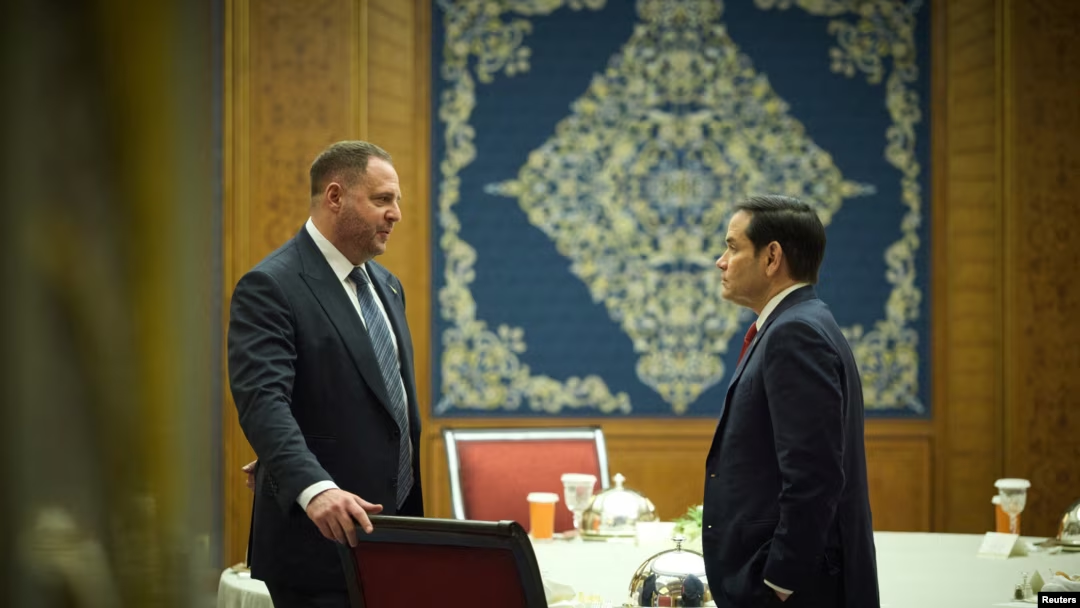
Jeddah Ceasefire Deal, A Step Towards Peace or a Threat to Trans-Atlantic Unity?
Why in News?
The recent ceasefire deal brokered in Jeddah between Ukraine and Russia, under pressure from Washington, has sparked geopolitical debates. While it aims to pause the three-year-old war, the deal’s broader implications could impact US-Europe relations, Russia’s stance, and India’s diplomatic positioning. 
Introduction
The 30-day ceasefire agreement, influenced by Washington, compelled Kyiv to agree to a temporary halt in hostilities. However, Russia has remained non-committal. The agreement comes in the wake of the Trump administration’s hardened stance, which cut off military aid and intelligence to Kyiv, weakening Ukraine’s defense capabilities. The deal also includes discussions on developing Ukraine’s mineral resources, but omits US assurances on Ukraine’s territorial sovereignty.
Key Issues
- Ukraine’s Compromised Position: With significant US backing, Kyiv had little choice but to accept a transactional deal, which raises concerns about its sovereignty and long-term security.
- US-Russia Dynamics: The US is now trying to gain Russia’s support for the ceasefire, though President Vladimir Putin has previously expressed opposition to such agreements.
- Strained Trans-Atlantic Alliance: The deal highlights US President Donald Trump’s seemingly pro-Russia stance, which has alienated traditional American allies and weakened the post-World War II security architecture in Europe.
- European Response: The UK and France have held summits to support Ukraine but lack a concrete defense strategy. France has hinted at reducing reliance on the US security umbrella and bolstering European defense forces.
- India’s Neutral Stand: India, which has maintained neutrality in the war, finds itself sidelined as a peacemaker due to Washington’s dominance in the negotiations.
Alternative Approaches
- Stronger European Involvement: The EU could take the lead in diplomatic efforts and security arrangements to reduce dependency on US policies.
- Balanced US Foreign Policy: A more consistent and collaborative approach from Washington could help in securing a more sustainable peace while maintaining trans-Atlantic relations.
- Increased Role for Neutral Mediators: Countries like India could act as intermediaries, leveraging their ties with both Russia and the West.
Challenges and the Way Forward
- Russia’s Expansionist Policies: Europe must address fears of Russia’s continued military ambitions despite the ceasefire.
- US’s Global Standing: America’s shifting foreign policy strategies may further weaken trust among its allies.
- Long-Term Stability for Ukraine: Ensuring Ukraine’s security beyond the ceasefire remains a key concern.
- Geopolitical Balancing by India: As a major global player, India must balance its partnerships with both Washington and Moscow while ensuring its own strategic and economic interests.
Conclusion
While the Jeddah ceasefire deal provides a temporary respite, its long-term impact on global power dynamics remains uncertain. The geopolitical complexities surrounding the agreement underscore the need for a more inclusive and balanced approach to peace negotiations. Nevertheless, after three years of war, any step toward peace, however flawed, is a welcome development.

