
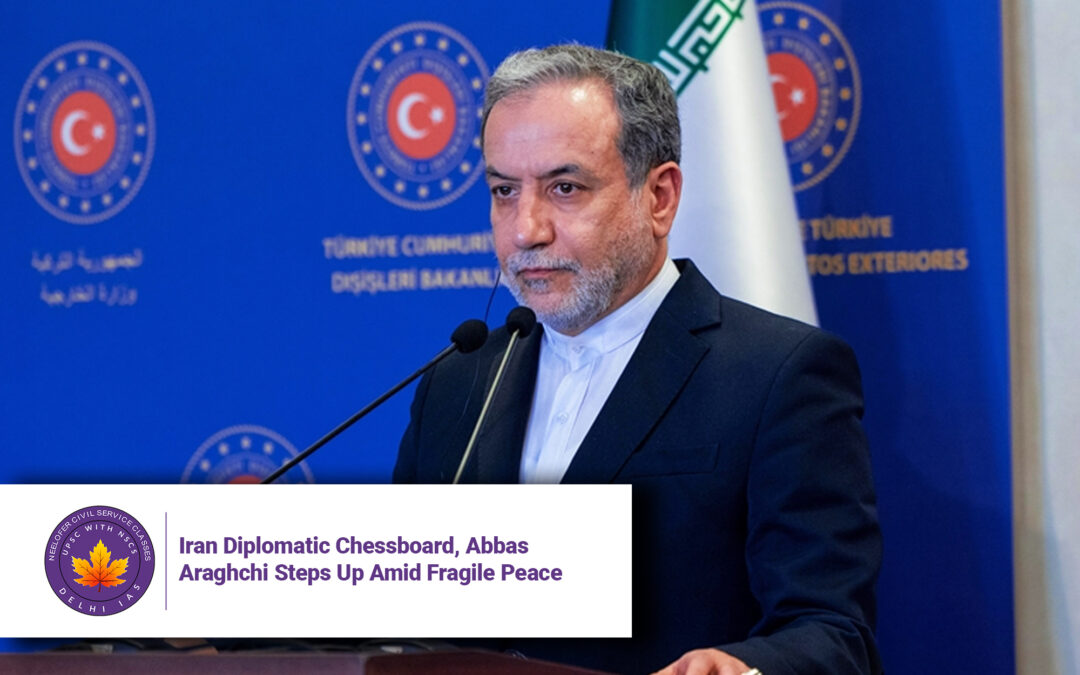
Iran Diplomatic Chessboard, Abbas Araghchi Steps Up Amid Fragile Peace
Why in News?
Iran’s Foreign Minister Abbas Araghchi is playing a critical role in navigating regional diplomacy amid a fragile ceasefire between Tehran and Tel Aviv. Amid escalating tensions in West Asia, Araghchi’s reappointment marks a pivotal moment in Iran’s bid to rebuild trust with allies and negotiate with rival powers.
Introduction
Abbas Araghchi, Iran’s seasoned diplomat and nuclear negotiator, is back at the forefront of Iran’s foreign policy efforts. Speaking at the Organisation of Islamic Cooperation (OIC) summit in Istanbul on June 22, Araghchi strongly criticized the U.S. and Israeli actions and emphasized Iran’s right to return to the negotiating table. 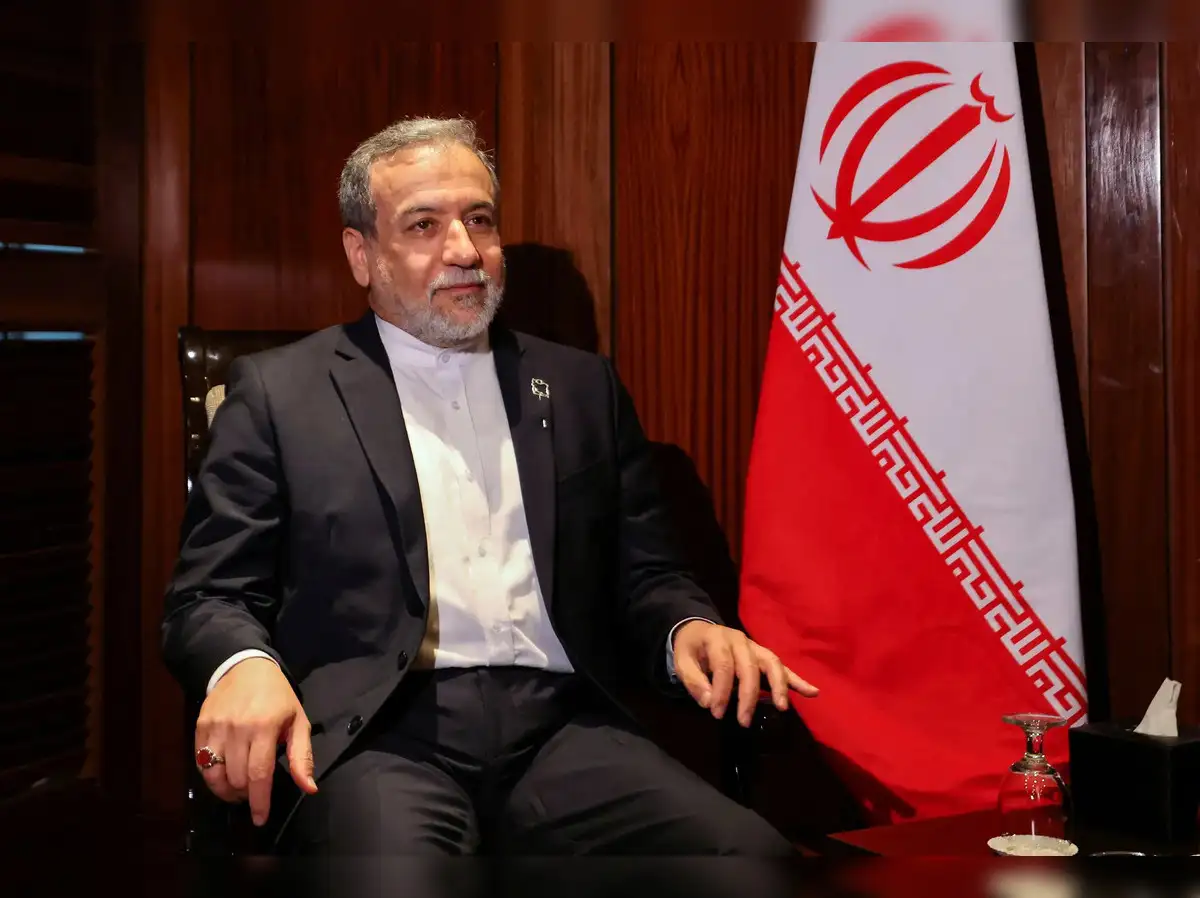
Key Developments
-
Fragile Ceasefire and U.S.–Iran Dynamics
-
A ceasefire holds between Iran and Israel after months of mutual strikes, drone attacks, and threats.
-
Araghchi asserts that the U.S., having exited the nuclear deal in 2018, must rebuild trust before Iran can rejoin any diplomatic engagements.
-
-
JCPOA Revival and Economic Focus
-
Talks surrounding the Joint Comprehensive Plan of Action (JCPOA) continue. The goal is to restore the 2015 nuclear deal and ease Western sanctions, especially in energy and economic sectors.
-
Araghchi urges protection of Iran’s economic gains, while remaining open to inspections under the International Atomic Energy Agency (IAEA).
-
-
Israel-Iran Escalation
-
A deadly Israeli drone attack in April 2024 on Iranian targets in the Red Sea provoked harsh retaliation by Iran.
-
On June 22, Israel faced massive Iranian cyber and missile retaliation, while diplomacy continued behind the scenes.
-
-
Qatar’s Mediation Role
-
Qatar has emerged as a critical mediator. Doha hosted indirect U.S.–Iranian talks and remains neutral in helping both parties avoid escalation.
-
-
Iran’s Strategic Alliances
-
Iran maintains strong ties with China, Russia, and its West Asian allies, positioning itself as a regional counterweight to U.S. influence.
-
Araghchi emphasizes respect for sovereignty and urges a multipolar diplomatic framework.
-
Challenges and the Way Forward
Challenges:
-
U.S.–Iran mistrust over past sanctions and the nuclear deal fallout.
-
Continued Israeli opposition to Iran’s nuclear program.
-
Risk of ceasefire collapse due to provocations from either side.
Way Forward:
-
Robust Qatari-led mediation efforts must continue.
-
Iran’s leadership must ensure transparency in its nuclear program to gain international confidence.
-
All stakeholders must focus on de-escalation and regional cooperation over military provocations.
5 Q&A Section
Q1. Who is Abbas Araghchi and why is he significant?
Abbas Araghchi is Iran’s Foreign Minister and chief negotiator in the nuclear talks. He plays a pivotal role in managing diplomacy amid West Asia’s tense geopolitical environment.
Q2. What is the current status of the Iran nuclear deal (JCPOA)?
Talks are ongoing to revive the deal with oversight by the IAEA. Iran seeks economic assurances and removal of sanctions before full re-entry.
Q3. What triggered the latest tension between Iran and Israel?
An Israeli drone strike in the Red Sea in April 2024 triggered retaliatory attacks by Iran, followed by cyber and missile strikes in June.
Q4. How is the U.S. involved in the region’s diplomacy?
Though the U.S. exited the JCPOA in 2018, it is participating indirectly in talks through mediators like Qatar. Iran holds Washington responsible for past betrayals.
Q5. What is Iran’s stance on future negotiations?
Iran is open to talks but demands respect, security guarantees, and economic fairness. Araghchi insists the U.S. must rebuild credibility before further progress.
Conclusion
Amid mounting challenges in West Asia, Abbas Araghchi’s return signals a renewed focus on diplomacy, regional balance, and strategic patience. As talks continue and ceasefires hold by a thread, Iran’s top diplomat stands at the heart of reshaping one of the most volatile diplomatic chessboards in the world.
