
About Burden of Rising Obesity of India: The Hefty Cost to Pay:
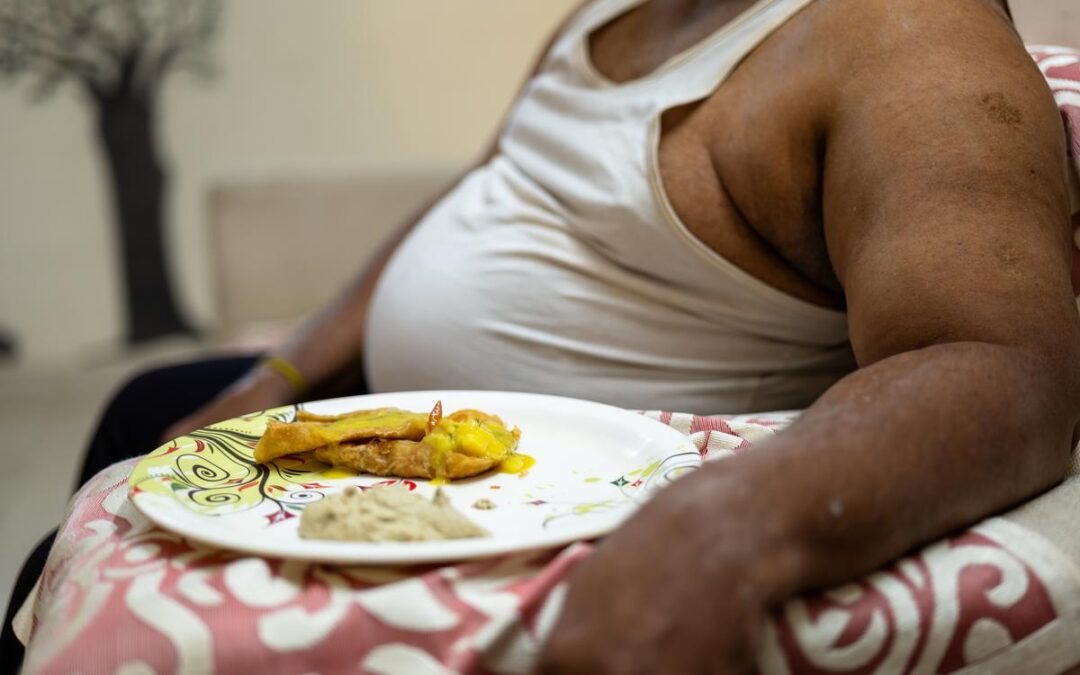
Over the last two decades, India has experienced a significant epidemiological transition—a shift from widespread undernutrition to rising levels of overweight and obesity. While malnutrition and hunger were traditionally the primary concerns in India, today, obesity and related non-communicable diseases (NCDs) pose an equally grave threat to public health. 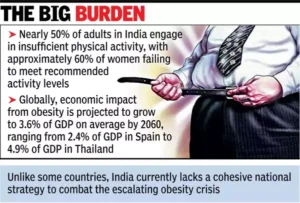
According to the National Family Health Survey (NFHS-5, 2019-21), nearly one in every four Indian men and women is obese. The prevalence of overweight and obesity varies across states, ranging from 8% to 50% in both urban and rural areas. Childhood obesity, once a rare phenomenon, is now increasing at an alarming rate. The World Obesity Federation warns that India has one of the steepest annual increases in childhood obesity globally.
A 2023 study published in The Lancet Diabetes and Endocrinology by the Indian Council of Medical Research (ICMR) estimates that:
- 35 crore(1 in 3) adults in India have abdominal obesity
- 25 crore(1 in 4) adults suffer from generalized obesity
- 21 crore(1 in 5) have high blood cholesterol levels
Without urgent interventions, obesity could significantly impact India’s economic and healthcare systems, leading to long-term repercussions.
Why Is Obesity Increasing in India?
1. Shifts in Diet and Nutrition
- India has moved from a calorie-deficient country to a calorie-sufficient However, food quality remains a concern.
- Over 55% of Indians (78 crore people) cannot afford a healthy diet (State of Food Security and Nutrition Report, 2024).
- Consumption of high-fat, salt, and sugar (HFSS) foods and ultra-processed foods (UPFs) has significantly increased.
- There is an over-reliance on fast food, carbonated drinks, and packaged snacks.
2. Sedentary Lifestyles and Urbanization
- The rise of desk jobs, excessive screen time, and reduced physical activity contribute to obesity.
- According to the World Health Organization (WHO), 50% of Indians fail to meet the recommended daily physical activity levels.
- Lack of open spaces, parks, and pedestrian-friendly infrastructure discourages active living.
3. Societal Attitudes Towards Obesity
- In Indian society, being overweight is often normalized or even considered a sign of prosperity.
- There is less awareness about obesity being a serious medical condition.
- The thin-fat Indian hypothesissuggests that Indians with a normal Body Mass Index (BMI) still carry higher body fat percentages, making them more prone to diseases.
4. Link to Non-Communicable Diseases (NCDs)
- Obesity is a major risk factor for diabetes, hypertension, cardiovascular diseases, liver disorders, and even certain cancers.
- Over 25 crore Indians are either diabetic or prediabetic (ICMR, 2023).
- India is called the “Diabetes Capital of the World, “and rising obesity will further increase the burden.
5. Economic Cost of Obesity
- Obesity reduces productivity and increases healthcare costs.
- The Global Obesity Observatory estimates that in 2019, obesity cost India $28.95 billion (₹1,800 per capita), or 02% of GDP.
- By 2030, this economic burden could increase to ₹4,700 per capitaor 57% of GDP, without effective interventions.
Why Urgent Action is Needed
Unlike undernutrition, obesity has not received enough attention in government programs. While initiatives like Fit India Movement, Eat Right India, and Khelo India promote awareness, they primarily focus on individual responsibility rather than systemic solutions.
To tackle obesity effectively, India must implement multi-pronged strategies involving healthcare, urban planning, taxation, education, and food policies.
Policy and Programmatic Solutions
1. Nationwide Public Awareness and Education
- Launch structured awareness campaigns that highlight obesity as a disease and its links to other health conditions.
- Promote scientific communication to combat myths around obesity.
2. Encouraging Physical Activity
- Improve urban infrastructure with cycling lanes, jogging tracks, and open gyms.
- Make physical education mandatory in schools and workplaces.
- Encourage “active commuting “by promoting cycling and walking-friendly cities.
3. Regulation of Junk Food and Processed Food Industry
- Implement higher taxes on HFSS and UPF products.
- Provide subsidies for healthier food options like fruits, vegetables, and whole grains.
- Impose restrictions on advertising junk food, especially targeting children.
4. Regular Health Monitoring
- Routine weight, height, and waist circumference measurements should be integrated into all preventive health check-ups.
- Doctors and healthcare providers should regularly discuss weight management with patients.
5. Use of Anti-Obesity Medications (With Caution)
- New anti-obesity drugs are being introduced, but strict clinical guidelines must be established.
- These medications should be used only under medical supervision.
6. Workplaces Must Promote Healthier Lifestyles
- Offices should provide standing desks, gym facilities, and healthy cafeteria options.
- Conduct weight management and awareness programs at workplaces.
7. Schools Should Prioritize Healthy Eating
- Introduce nutrition education in the curriculum.
- Ensure school canteens serve only healthy food.
- Learn from countries like Japan, where dietitians are present in every school.
8. Government and Multi-Sectoral Collaboration
- Obesity prevention should involve multiple ministries (Health, Finance, Education, Urban Planning, Agriculture).
- Reimagine nutrition programs like “Suposhan Abhiyan” to focus on “mindful underfeeding” and “rightful micronutrient supplementation.”
9. Strengthening Research and Data Collection
- Conduct nationwide studies on overweight and obesity trends.
- Make research findings easily accessible to the public.
10. Making Healthy Eating Affordable
- The government should regulate food prices to make healthy food options more affordable than junk food.
- Online food delivery platforms should promote healthy meal choices.
10 Important Questions & Answers
1. Why is obesity increasing in India?
Due to poor diet choices, lack of physical activity, urbanization, and increased consumption of processed foods.
2. Which states in India have the highest obesity rates?
Urbanized states like Punjab, Delhi, Kerala, and Tamil Nadu have the highest rates.
3. What are the major health risks of obesity?
Obesity increases the risk of diabetes, heart disease, hypertension, fatty liver, and even certain cancers.
4. How does childhood obesity impact long-term health?
Overweight children are more likely to develop lifelong health issues such as early diabetes and heart disease.
5. How can India control obesity at the policy level?
By taxing junk food, subsidizing healthy food, improving urban infrastructure, and making physical education mandatory.
6. What role does fast food play in rising obesity?
Fast food is high in calories, unhealthy fats, and sugar, contributing significantly to weight gain.
7. Is obesity only a personal issue?
No, it is a societal and policy-driven issue requiring government intervention.
8. How can workplaces help fight obesity?
By providing fitness programs, standing desks, and healthy cafeteria options.
9. What is the economic impact of obesity?
Rising healthcare costs and reduced productivity cost India billions of dollars annually.
10. What is the role of schools in preventing obesity?
Schools should ban junk food, promote physical activity, and educate children about healthy diets.
Conclusion
Tackling obesity is crucial for India’s health and economic future. A comprehensive, multi-sectoral approach is required to curb this silent epidemic.
Would you like any additional details on specific areas? 😊

