

Indian Trade Restrictions on Bangladesh, A Symbolic Move with Limited Impact
Why in News?
India recently announced trade restrictions on ready-made garments and other select commodities from Bangladesh. The decision, seen as a response to worsening political ties, marks a shift where bilateral tensions are now spilling over into the economic domain. However, experts suggest that the move may have limited coercive value and could further complicate regional dynamics. 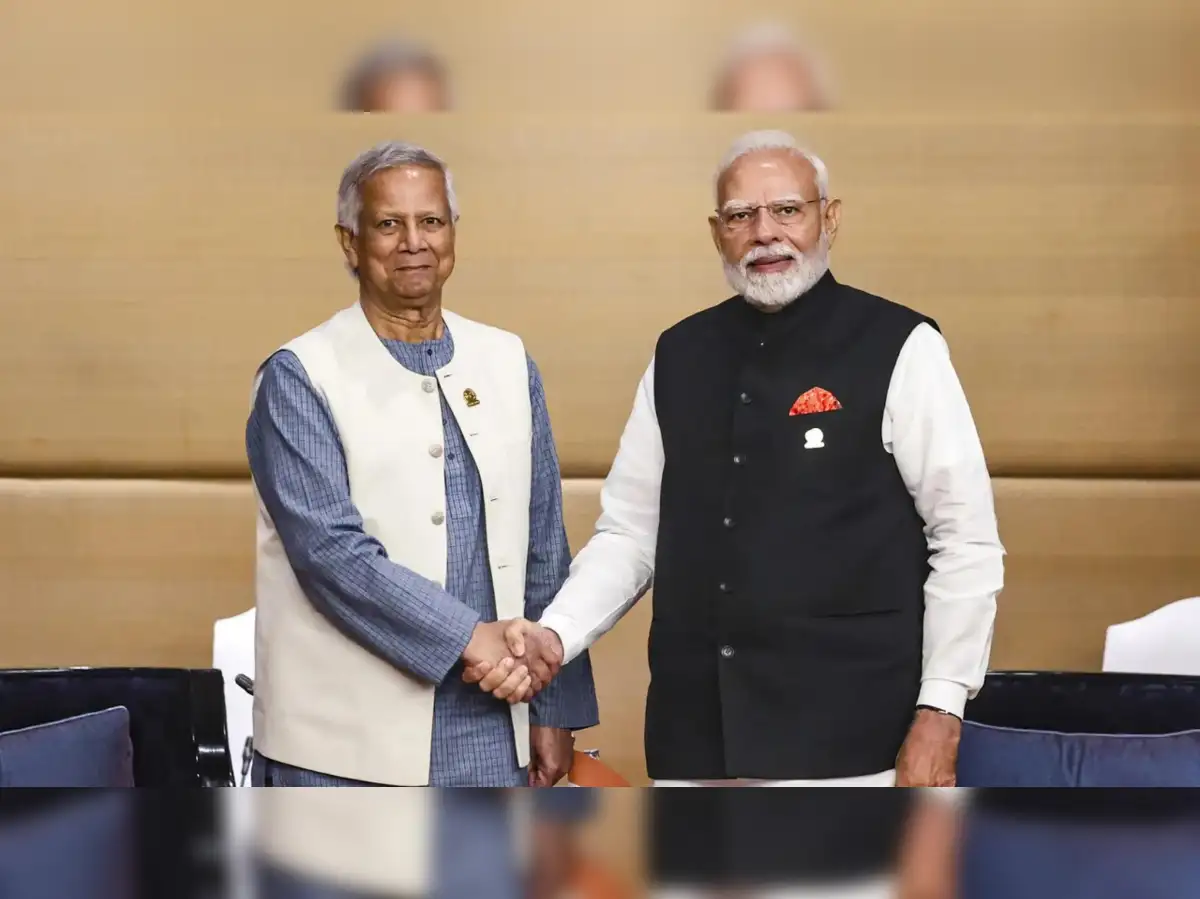
Introduction
India has sent a sharp message to Bangladesh by targeting its crucial garment export sector. This decision came after increasing discomfort in New Delhi over Bangladesh’s growing proximity to China and Pakistan, along with recent domestic political developments in Dhaka. The Directorate General of Foreign Trade (DGFT)’s restrictions specifically block Bangladesh’s access to India’s northeastern markets — a region vital for Bangladeshi exports.
Key Issues and Background
1. Targeted Trade Measures
The ban impacts Bangladeshi garment exports — a key pillar of its economy. The measure appears to be a response to Bangladeshi Prime Minister Mohammed Yunus’s remarks during his March 2025 visit to China, where he encouraged Chinese access to India’s northeast by calling it “landlocked.”
2. Strategic and Political Messaging
By denying market access, India signals its unease with Dhaka’s deepening ties with Beijing and Islamabad, and its deviation from international commitments, particularly after banning the Awami League and repressing opposition.
3. Electoral Uncertainty in Bangladesh
The Yunus government has not clarified the timeline for upcoming elections, despite earlier promises. Meanwhile, internal unrest and protests against its controversial rise to power persist.
Key Observations
-
Limited Economic Pressure
The restrictions may hurt Bangladeshi garment exporters, but they are unlikely to coerce significant political changes in Dhaka. The northeastern Indian market, while important, is not Bangladesh’s sole export outlet. -
Unintended Consequences
Instead of applying pressure, the move may bolster anti-India narratives within Bangladesh, especially among hardline political groups. -
Regional Security Concerns
Any instability in Bangladesh could have spillover effects in India’s sensitive northeast, already fraught with political and security challenges. -
International Optics
India’s actions come at a time when global focus is on ensuring democratic transitions in Bangladesh. Harsh economic tactics could alienate the broader international community. -
Diplomatic Alternatives Preferred
Engaging with opposition parties and other stakeholders through diplomatic channels may offer more sustainable solutions than punitive trade restrictions.
Challenges and the Way Forward
Challenges:
-
Risk of worsening bilateral ties further
-
Rise of anti-India sentiments in Bangladesh
-
Economic fallout for border states dependent on cross-border trade
-
Loss of leverage in influencing Dhaka’s internal political course
Way Forward:
-
Promote dialogue with all political stakeholders in Bangladesh
-
Support free and fair elections through multilateral platforms
-
Avoid actions that could be viewed as economic coercion
-
Maintain essential diplomatic ties with the current administration until elections are held
-
Prepare for a post-election scenario with a strategy that aligns both regional stability and democratic values
Conclusion
India’s latest trade restrictions on Bangladesh reflect the intersection of geopolitics and economics. However, the limited strategic impact and potential backlash suggest that diplomacy, not economic punishment, may be the wiser path. While New Delhi must communicate its concerns, it should also prioritize maintaining working ties and engaging with the broader political spectrum in Bangladesh — a crucial neighbor in the region.
5 Questions and Answers
Q1: What triggered India’s trade restrictions on Bangladesh?
A: The move was a response to political tensions, especially Bangladesh’s growing ties with China and Pakistan, and concerns over democratic backsliding.
Q2: Which sector has been directly impacted by the restrictions?
A: Bangladesh’s ready-made garment sector, which is vital to its economy.
Q3: What was Mohammed Yunus’s controversial statement?
A: During a visit to China, he described India’s northeast as “landlocked” while inviting Chinese access — a remark that upset New Delhi.
Q4: How might the restrictions affect India-Bangladesh relations?
A: The move could increase anti-India sentiment and hinder regional cooperation, especially if seen as economic coercion.
Q5: What approach is advised by the international community and India’s strategic thinkers?
A: To support free and fair elections through diplomatic engagement rather than punitive trade measures.

