

India-Pakistan Conflict Exposes Energy Vulnerability
Why in News?
The recent escalation in India-Pakistan tensions has highlighted the critical energy vulnerabilities both countries face. Given their heavy dependence on imported oil and gas, any regional conflict could disrupt supply lines, raise prices, and create shortages, making energy security a key strategic concern. 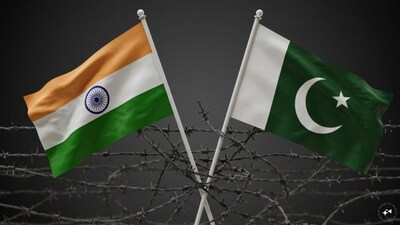
Introduction
Energy plays a crucial role in national security, especially for import-dependent countries like India and Pakistan. Conflicts such as those between these neighbors do not just have geopolitical implications—they can disrupt fuel supplies, increase costs, and expose the weakness of countries’ energy infrastructures. The article underlines the need for both nations to build robust strategic reserves and regional cooperation mechanisms to buffer future shocks.
Key Issues and Background
1. Energy Dependence and Vulnerabilities
-
India imports over 85% of its crude oil and around 50% of its natural gas needs.
-
Major suppliers include Iraq, Saudi Arabia, and Russia.
-
India’s current strategic petroleum reserve (SPR) covers 74 days of consumption, below the IEA-recommended 90-120 days.
-
Pakistan is also highly dependent on imports, with 78% of crude oil needs and 21.7% of gas consumption met through LNG imports.
2. Impact of Conflict on Energy Flows
-
Conflicts disrupt transportation routes, raising freight charges and insurance costs.
-
Border tensions can interfere with cross-border electricity trading and oil/gas pipelines.
-
Pakistan’s energy imports face disruptions from geopolitical and internal instability, particularly in Balochistan.
3. Structural Constraints
-
India’s energy supply chains are still exposed to global price shocks and supply-side risks.
-
Pakistan’s energy infrastructure is underdeveloped and lacks sufficient capacity to store or reroute supplies during crises.
-
Domestic production in both countries is not enough to meet demand.
4. Intra-Regional Energy Trade Barriers
-
Cross-border trade in energy resources remains limited due to diplomatic tensions and infrastructure gaps.
-
There’s a pressing need to create regional agreements for emergency energy exchange during times of crisis.
Specific Impacts or Effects
-
Increased fuel costs during conflicts hurt citizens and industries.
-
Strategic reserves are insufficient to weather prolonged disruptions.
-
Energy insecurity compounds the impact of political or military escalation.
-
Delayed transition to clean energy further exposes both countries to global fossil fuel risks.
Challenges and the Way Forward
Challenges
-
Inadequate energy reserves in both countries.
-
Lack of coordination for regional energy sharing.
-
Infrastructure gaps and bureaucratic inefficiencies.
-
High reliance on fossil fuels in a volatile geopolitical region.
Steps Forward
-
India must expand its SPR to cover at least 90-120 days of demand.
-
Pakistan needs to build basic SPRs and secure alternate LNG sources.
-
Strengthen regional energy trade cooperation through SAARC or bilateral arrangements.
-
Invest in renewable energy and domestic energy infrastructure.
-
Prepare detailed emergency response protocols for fuel supply disruptions.
Conclusion
The India-Pakistan conflict brings to light how energy dependency is a hidden but serious vulnerability. Without significant investments in strategic reserves, infrastructure, and regional cooperation, both countries risk major crises during geopolitical upheavals. Strategic foresight and planning are now essential to ensuring uninterrupted energy access for their populations.
5 Questions and Answers
Q1: Why is energy security a concern for India and Pakistan during conflicts?
A: Both countries are heavily dependent on imported oil and gas. Conflicts can disrupt supply chains, raise costs, and lead to shortages.
Q2: How much crude oil does India import?
A: India imports over 85% of its crude oil requirements, mostly from Iraq, Saudi Arabia, and Russia.
Q3: What is the recommended strategic reserve level by the IEA, and how does India compare?
A: The IEA recommends 90–120 days of reserves. India currently holds reserves for only 74 days.
Q4: What are the main energy challenges Pakistan faces?
A: Pakistan relies on imports for 78% of its crude oil and over 21% of its gas. It lacks storage capacity and faces political and infrastructure-related barriers.
Q5: What should both nations do to improve energy resilience?
A: They must expand strategic reserves, invest in domestic energy infrastructure, promote renewables, and build regional cooperation mechanisms for energy sharing.

