
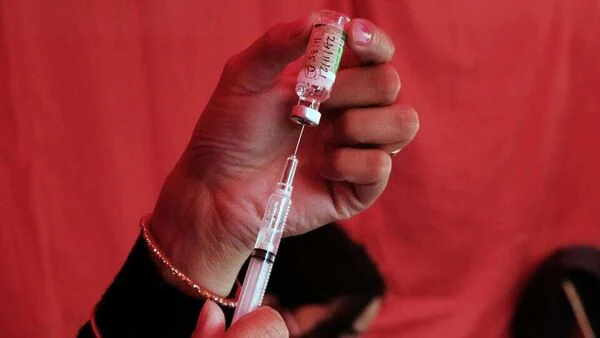
India Must Push for Vaccination Against the Flu for the Elderly
Why in News?
Recent reports indicate a rise in seasonal influenza cases in the Delhi-NCR region, prompting health experts to call for a stronger push towards adult vaccination in the country. The increase in cases highlights the need for preventive measures, particularly for vulnerable groups such as the elderly and those with chronic respiratory conditions.
Introduction
Seasonal influenza, caused by Influenza A and Influenza B viruses, is a contagious respiratory illness that often peaks twice a year in India—from January to March and again from August to October. Although commonly mistaken for the common cold, influenza symptoms tend to be more severe, with sudden fever, chills, muscle pain, and fatigue. The flu can sometimes lead to hospitalisation and, in severe cases, death, particularly when treatment is delayed. 
Key Issues
-
Seasonal Influenza Trends in India
-
India experiences two peaks of seasonal influenza annually: January-March and August-October.
-
The rise in cases during these periods increases the risk of hospitalisation, especially for the elderly.
-
The government has strengthened real-time surveillance through the Influenza-like Illness (ILI) and Severe Acute Respiratory Infections (SARI) reporting systems, making outbreak detection more effective.
-
-
Importance of Vaccination
-
Influenza vaccines play a critical role in reducing the severity and spread of the virus, especially among high-risk groups.
-
The elderly, children, and people with chronic respiratory conditions are particularly vulnerable.
-
Annual flu vaccinations are recommended, yet adult immunisation awareness in India remains low.
-
-
Challenges in Flu Prevention and Management
-
Despite improved surveillance, the lack of public awareness about adult vaccination limits its impact.
-
Vaccination campaigns for flu often focus on children but overlook senior citizens and vulnerable adults.
-
There is a need for targeted awareness campaigns and better access to flu vaccines.
-
Challenges and the Way Forward
-
Strengthening Adult Vaccination: Governments need to promote and subsidise adult flu vaccines, making them more accessible and affordable.
-
Public Awareness Campaigns: There is a need for large-scale awareness campaigns, especially in high-risk regions, to educate people about the benefits of flu vaccines.
-
Improved Access to Vaccines: Ensuring that flu vaccines are available in local health centers, hospitals, and pharmacies will enhance coverage.
Conclusion
The rising cases of seasonal influenza in India underscore the urgent need to prioritise adult vaccination, particularly for the elderly and high-risk groups. Strengthening awareness campaigns and improving vaccine accessibility can significantly reduce the severity and spread of the virus. The government must take proactive steps to ensure timely vaccination and robust influenza management strategies.
✅ Q&A Section
-
Q: Why is there a renewed push for flu vaccination in India?
A: The rise in seasonal influenza cases in Delhi-NCR has prompted health experts to advocate for increased adult vaccination, especially for the elderly and high-risk groups. -
Q: What are the predominant flu strains in India this season?
A: The predominant strains involved are Influenza A and Influenza B, both of which cause respiratory illness. -
Q: Why is influenza often mistaken for the common cold?
A: Influenza symptoms, such as fever, chills, and muscle pain, are similar to the common cold, but flu symptoms are more severe and can lead to hospitalisation. -
Q: What measures has India taken to monitor influenza cases?
A: India uses Influenza-like Illness (ILI) and Severe Acute Respiratory Infections (SARI) surveillance systems for real-time monitoring of flu cases. -
Q: What steps can the government take to improve flu vaccination rates?
A: The government can promote adult immunisation awareness campaigns, ensure easy access to vaccines, and subsidise flu shots for vulnerable groups.

