
India Must Adopt a Lawfare Strategy on the Indus Waters Treaty
Why in News?
In the wake of the recent terror attack in Pahalgam, India has taken strong diplomatic measures against Pakistan, including downgrading diplomatic ties and reviewing the Indus Waters Treaty (IWT). The debate now focuses on using “lawfare”—the strategic use of international law—to strengthen India’s position on the IWT. 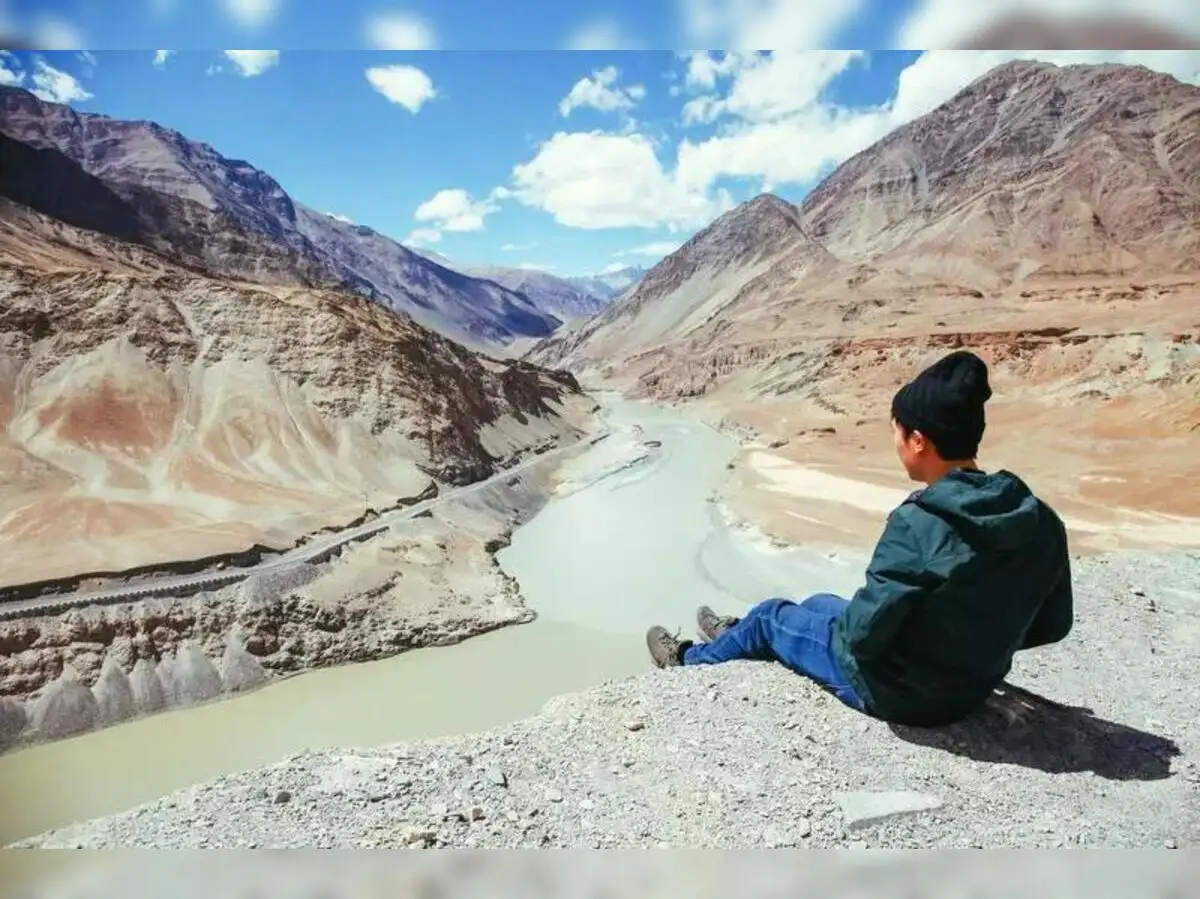
Introduction
The Indus Waters Treaty (IWT), brokered by the World Bank in 1960, allocates river waters between India and Pakistan. While India has respected the treaty for decades, Pakistan’s continued sponsorship of terrorism has raised questions about whether India should continue to honor such obligations.
Key Issues and Background
-
India’s Treaty Obligations and Legal Leverage
-
The IWT is a bilateral agreement governed by international law.
-
Under Article 62 of the Vienna Convention on the Law of Treaties (VCLT), India could argue for termination or suspension due to a fundamental change of circumstances, especially due to repeated terror attacks.
-
-
Lawfare: A Strategic Shift
-
India can use lawfare—leveraging legal tools in diplomatic and international forums—to challenge Pakistan’s actions.
-
The idea is not to act unilaterally but to build a legal narrative showing how Pakistan has violated the spirit of the IWT.
-
-
Role of the International Court of Justice (ICJ)
-
While the ICJ rarely rules on bilateral treaties like the IWT, it can play a role in clarifying disputes if brought under specific legal provisions.
-
-
Limitations and Strategic Caution
-
The application of Article 62 is narrow and strict; suspension cannot be arbitrary.
-
India must show that terrorism amounts to a fundamental breach of the assumptions under which the treaty was signed.
-
-
Options Ahead
-
India may challenge Pakistan’s misuse of legal forums and take the case to multilateral platforms like the UN Security Council, World Bank, and ICJ.
-
A lawfare policy could enable India to suspend or renegotiate the treaty based on current realities.
-
5 Key Takeaways
-
The Indus Waters Treaty is not immune to change, especially in the face of state-sponsored terrorism.
-
India has legal options under international law, particularly Article 62 of the VCLT, to suspend or renegotiate the treaty.
-
A lawfare policy provides India with a strategic and legal path to counter Pakistan’s duplicity.
-
The international community must understand that the IWT’s assumptions have changed drastically due to terrorism.
-
India needs a cohesive policy combining law, diplomacy, and security to address Pakistan’s continued aggression.
Challenges and the Way Forward
Challenges:
-
Strict legal standards make unilateral treaty withdrawal difficult.
-
Global perception may label India as violating a water-sharing treaty.
-
Risk of international arbitration not ruling in India’s favor.
Way Forward:
-
Build a strong legal case based on Pakistan’s repeated treaty violations through terror.
-
Use lawfare as a strategic tool, combining international legal arguments with diplomatic action.
-
Engage with allies and multilateral institutions to explain India’s position.
-
Prepare for long-term treaty reform, if not complete withdrawal.
-
Maintain water flow where legally required, but tie future cooperation to security guarantees.
Conclusion
India stands at a crossroads: continue honoring a treaty while being attacked, or adopt a bold, legally grounded stance that upholds national security over outdated obligations. A robust lawfare policy is not just desirable—it is essential to hold Pakistan accountable and reinforce India’s sovereignty and strategic autonomy.
Q&A Section
1. What is the Indus Waters Treaty (IWT)?
The IWT is a 1960 treaty between India and Pakistan, brokered by the World Bank, which allocates the waters of the Indus River system between the two countries.
2. Why is India reconsidering its stand on the treaty?
Due to continued terror attacks from Pakistan, such as the one in Pahalgam, India is exploring whether these constitute a fundamental change of circumstances under international law.
3. What is “lawfare” and how can it help India?
Lawfare refers to using legal strategies in international forums to achieve diplomatic or military objectives. It can help India legally justify suspending or renegotiating the IWT.
4. What legal provision supports India’s possible withdrawal?
Article 62 of the Vienna Convention on the Law of Treaties allows for the suspension or termination of treaties due to fundamental changes in circumstances.
5. Can India unilaterally terminate the IWT?
While possible, unilateral termination is risky. India would need to build a strong legal and diplomatic case to justify its actions and avoid international backlash.

