
India Has Some Weighty Cards to Play in Negotiations with Trump
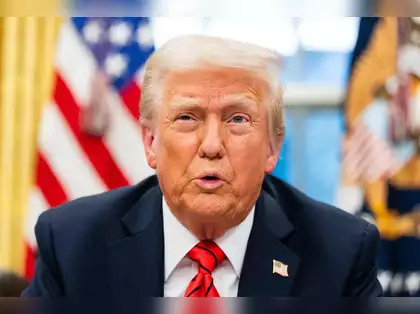
Why in News? Donald Trump recently remarked to Volodymyr Zelenskyy that the latter had no cards to leverage in negotiations. This comment underscores Trump’s tendency to view diplomacy through the lens of deal-making. As India navigates its complex relationship with the US and China, it holds several strategic cards that can shape its negotiations with Trump. 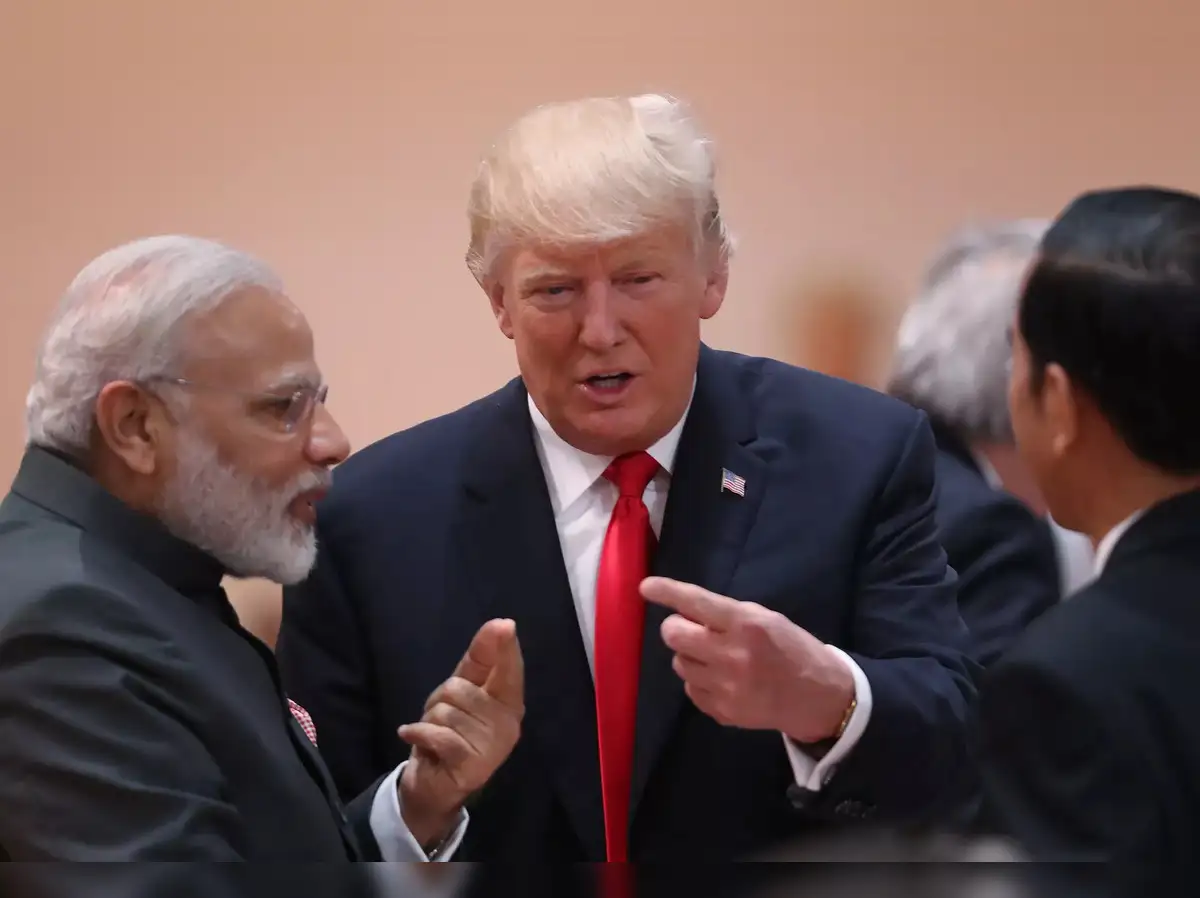
Introduction India’s geopolitical stance, economic strength, and strategic alliances place it in a unique position to engage effectively with the US. Unlike many nations, India is viewed positively in Washington, and its ability to align policies with American interests grants it negotiating leverage. However, to maximize its advantage, India must strategically play its cards rather than react impulsively.
Key Factors in India’s Negotiation Strategy
- Illegal Immigration Cooperation: India can offer to work with the US on repatriation efforts for illegal Indian immigrants.
- Economic Alignment: Supporting the US dollar as the world’s reserve currency and backing the use of Swift in international payment systems.
- Trade Relations: Reducing tariffs on key imports from the US while securing better trade terms.
- Energy Sector Collaboration: Expanding oil imports from the US, facilitating investment in nuclear energy, and enabling private-sector participation in small modular reactors.
- Technology and Infrastructure: Allowing services like Starlink regulated access while pushing for Tesla car imports and sourcing Western telecom equipment.
- Defense and Security: Deepening military collaboration, ensuring that India’s military reliance does not shift towards China, and purchasing equipment without being pressured into costly deals.
- Geopolitical Alignments: Supporting a countervailing coalition against China in the Indo-Pacific while balancing its position in global politics.
- Encouraging Investment: Facilitating US investments in India to promote economic ties and counter China’s influence.
Specific Impacts or Effects
- Bilateral Trade Growth: Strengthening trade ties with the US can lead to better market access for Indian exports.
- Strategic Autonomy: A calculated approach in defense purchases and energy collaborations can ensure India’s independence in global affairs.
- Enhanced Global Standing: Playing its negotiation cards wisely can reinforce India’s position as a key global player.
Challenges and the Way Forward
Challenges
- Uncertainty in US-China Relations: The evolving US-China dynamics will impact how India’s strategic leverage plays out.
- Trump’s Unpredictability: His transactional approach makes long-term planning difficult.
- Domestic Considerations: India must balance US demands with its domestic economic and strategic priorities.
Steps Forward
- Calculated Diplomacy: India should time its moves carefully to extract maximum advantage.
- Strengthening Strategic Ties: Deepening engagements in trade, technology, and defense with the US while maintaining strategic autonomy.
- Diversifying Alliances: Ensuring India’s position remains strong irrespective of changing US policies.
Conclusion India possesses significant leverage in its negotiations with Trump. By strategically playing its cards, it can secure favorable terms in trade, defense, and economic cooperation while maintaining its autonomy. A well-calibrated approach will ensure that India maximizes its geopolitical advantage while navigating the complexities of global diplomacy.

