
India Economic Growth Poised for Revival Amid Policy Boosts
Why in News?
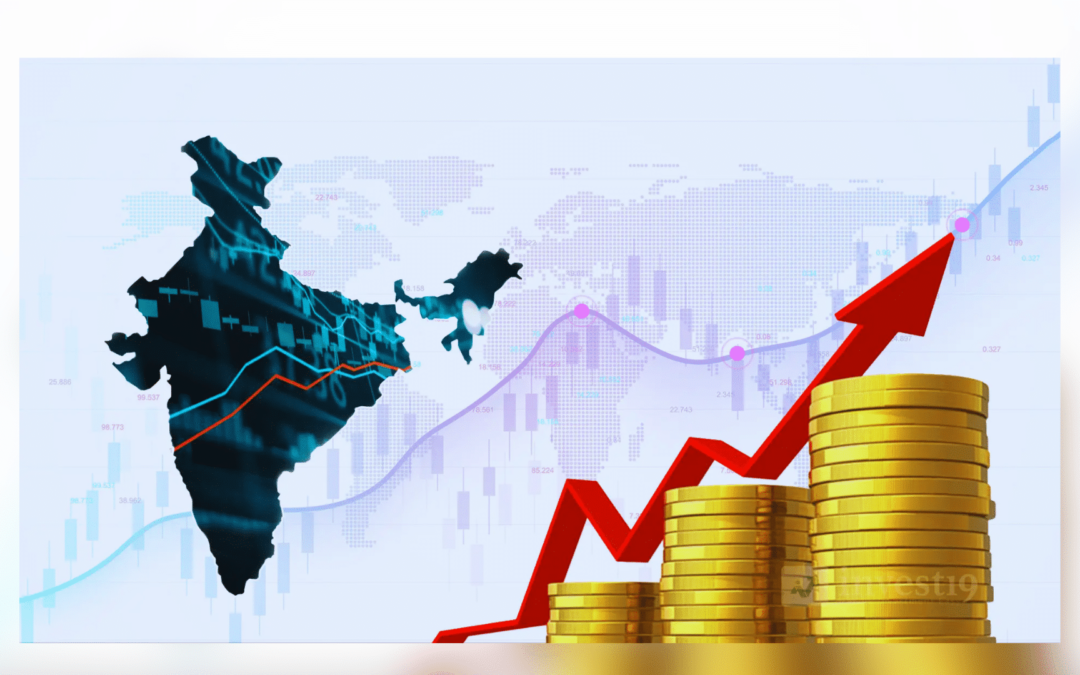
Amid concerns over slowing GDP growth and global economic uncertainties, the Indian economy is expected to gain momentum due to recent policy interventions, including tax cuts, an increase in credit availability, and an upcoming Pay Commission boost. These measures, combined with improving macroeconomic indicators, suggest that economic revival is on the horizon. )
Key Issues
1. Tax Stimulus and Increased Consumption
-
New tax regime (effective April 1, 2025) provides full tax rebate for incomes up to ₹12.1 lakh per year, benefiting around 5.45 crore taxpayers.
-
Expected to inject ₹1 lakh crore into the economy, boosting discretionary spending.
-
Economists estimate a 3-3.5 lakh crore lift in consumption, leading to 1.5-2% growth in nominal Private Final Consumption Expenditure (PFCE).
-
Higher government spending of ₹5.5 lakh crore will further drive demand.
2. Pay Commission Boost to Spending
-
The 8th Pay Commission, set to be implemented in early FY27, will increase salaries and pensions of government employees.
-
Expected to stimulate domestic demand, especially in sectors like automobiles, housing, and consumer goods.
-
Past Pay Commission hikes have boosted household spending, leading to GDP expansion.
3. Inflation and Interest Rate Trends
-
Inflation showed volatility in 2024, but with food prices stabilizing and fuel costs declining, a more stable monetary policy is expected.
-
The Monetary Policy Committee (MPC) is likely to cut interest rates, encouraging more borrowing and spending.
-
RBI’s liquidity measures are set to increase credit flow, reducing borrowing costs for consumers and businesses.
4. No More Credit Curbs – RBI’s Pro-Growth Stance
-
Post-COVID, high household debt and banking restrictions slowed credit expansion.
-
However, RBI’s decision to remove restrictions on bank lending and ease NBFC borrowing norms is expected to restore credit flow, especially for businesses.
-
Lower EMIs from potential rate cuts will further increase demand for loans in sectors like housing, automobiles, and retail.
5. Fiscal and Investment Outlook
-
Government capital expenditure (CapEx) growth has been robust, contributing to 57% of India’s real GDP growth.
-
The corporate sector has also increased investments, with major companies allocating 23% of earnings to new projects.
-
With industrial growth picking up, India is well-positioned for a strong economic expansion in the coming years.
What Next?
-
The Reserve Bank of India (RBI) is expected to cut interest rates, further stimulating growth.
-
The 8th Pay Commission salary revision will increase disposable incomes, leading to higher consumer demand.
-
Government infrastructure projects will continue boosting GDP through higher public spending.
-
The global economic environment, including the US Federal Reserve’s monetary policy, will influence India’s macroeconomic outlook.
Q&A Section
Q1. What are the key policy measures expected to boost India’s economy?
A: Tax cuts, Pay Commission salary hikes, increased government spending, and easing of credit restrictions by RBI.
Q2. How will tax cuts impact consumption?
A: The new tax regime will inject ₹1 lakh crore into the economy, benefiting 5.45 crore taxpayers, leading to higher discretionary spending.
Q3. What role does the 8th Pay Commission play in economic growth?
A: It will increase government salaries and pensions, boosting household consumption and driving demand in key sectors like housing, automobiles, and retail.
Q4. What is RBI’s approach towards credit flow?
A: RBI has relaxed borrowing restrictions on banks and NBFCs, ensuring more liquidity in the market, leading to higher lending and lower borrowing costs.
Q5. What are the long-term economic growth projections for India?
A: With strong policy support, investment in infrastructure, and growing private sector participation, India’s GDP is expected to recover steadily, with sustained expansion in key sectors.

