
India Deadly VIP Culture, How Privilege and Neglect Fuel Stampede Tragedies
Introduction
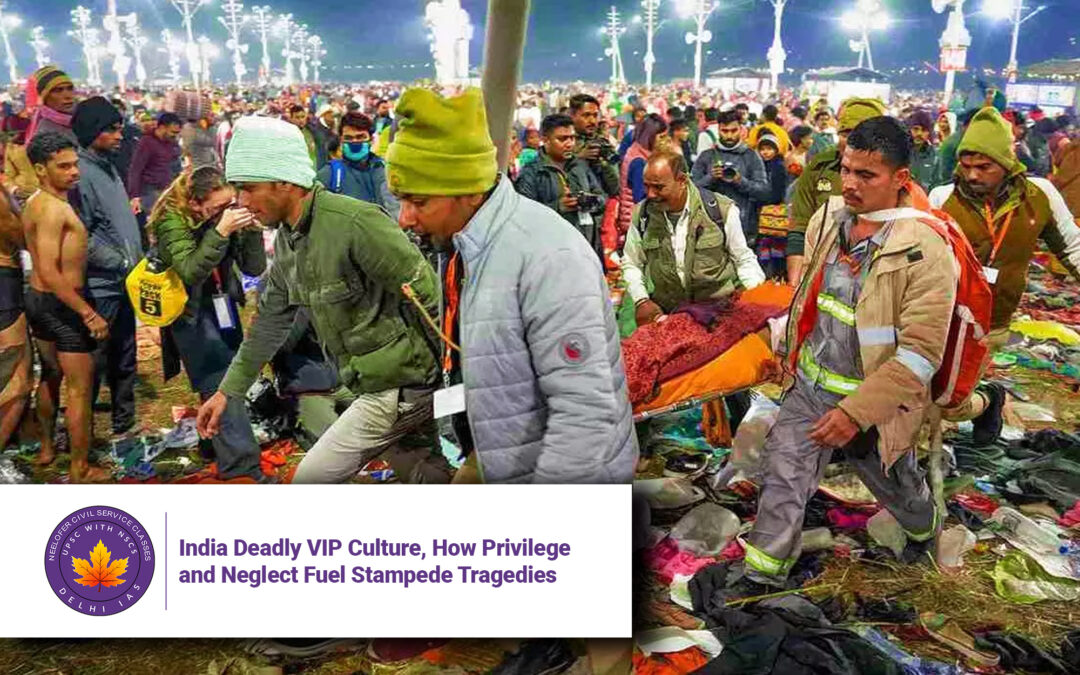
The recent stampede at Puri’s Jagannath Rath Yatra—which claimed three lives and injured over 50—is not an isolated incident but part of a grim pattern: nine stampedes in India in just 12 months, six at religious gatherings. This tragedy, like others before it, exposes a toxic cocktail of administrative negligence, flawed crowd management, and an entrenched VIP culture that prioritizes the powerful over public safety. As temperatures rise and mega-events multiply, India faces an urgent choice: reform its approach to mass gatherings or condemn citizens to recurring, preventable disasters.
This investigation traces the systemic failures behind India’s stampede epidemic, analyzes the Puri tragedy’s root causes, and proposes actionable solutions to break this deadly cycle. 
1. Anatomy of a Disaster: The Puri Stampede
Timeline of Failure
-
June 28, 7:45 PM: Officials halt Lord Jagannath’s chariot due to overcrowding, allowing only two chariots to proceed.
-
Midnight–4 AM:
-
A common exit gate is closed to create VIP access, forcing pilgrims into a single congested corridor.
-
750 devotees hospitalized from heat stress; no medical tents visible.
-
-
4:20 AM: Trucks carrying ritual materials plow through crowds, toppling stalls and triggering panic.
Key Lapses
| Failure | Consequence |
|---|---|
| VIP-only gates | Blocked emergency exits |
| Bidirectional foot traffic | Created human gridlock |
| No heat mitigation | Mass dehydration in 35°C+ temperatures |
| Unplanned vehicle entry | Direct trigger for stampede |
Eyewitness Account: “Police pushed us toward trucks to make way for VIPs. People fell like dominoes.” —Suresh Pradhan, survivor
2. India’s Stampede Epidemic: By the Numbers
2023–24 Stampede Hotspots
| Location | Event Type | Deaths | Cause |
|---|---|---|---|
| Hathras, UP | Religious gathering | 121 | Overcrowding + fake “free food” rumor |
| Kochi, Kerala | Music concert | 4 | VIP blockade of exits |
| Mumbai, Maharashtra | Political rally | 15 | Barricade collapse |
Common Thread: VIP movements exacerbated chaos in 80% of cases (National Disaster Management Authority data).
3. The VIP Culture Disease
How Privilege Kills
-
Resource Diversion:
-
At Puri, 30% of police force guarded VIP routes instead of managing crowds.
-
-
Architectural Sabotage:
-
Stadiums/mandirs design separate enclosures that reduce public space by 40%.
-
-
Psychological Impact:
-
Studies show “elite entitlement” fuels public frustration and reckless behavior.
-
Political Complicity
-
Security Overkill: A single MLA travels with 58 armed guards (Delhi Police report).
-
Legal Immunity: No official ever prosecuted for stampede-related deaths.
4. Global Lessons: How Other Nations Prevent Disasters
Case Study 1: Mecca’s Crowd Control Revolution
-
Problem: 2,400 deaths in 2015 Hajj stampede.
-
Solutions:
-
AI-powered density tracking alerts when areas hit 3 people/m².
-
One-way pilgrim flows with color-coded gates.
-
Ban on VIP movements during peak hours.
-
-
Result: Zero stampedes since 2017.
Case Study 2: Tokyo Olympics (2021)
-
Robotic Barriers: Self-moving fences adjusted crowd flows in real time.
-
Heat Action: Cooling stations every 200m reduced heatstroke cases by 72%.
5. A 5-Point Survival Plan for India
1. Legislative Action
-
“Right to Safe Assembly” Bill:
-
Mandate 1 guard per 50 people at events >10,000.
-
Jail terms for officials who authorize VIP blocks during emergencies.
-
2. Architectural Reforms
-
ISRO-Style Crowd Tech:
-
Infrared headcounts + drone surveillance.
-
Modular barricades (like FIFA’s snap-on gates).
-
3. VIP Culture Surgery
-
Green Zone Rule: No privileged access within 500m of mass gatherings.
-
Penalties: Event organizers lose licenses if VIPs bypass queues.
4. Heat Resilience
-
Mandatory “Cool Corridors”:
-
Mist fans + hydration every 100m (cost: ₹5 crore per major event).
-
Women/Elderly Priority Zones with shaded seating.
-
5. Accountability Framework
-
Stampede CBI Fast-Track Courts:
-
Deadline: 6-month trials (current average: 8 years).
-
Compensation: ₹25 lakh/family (vs. current ₹2 lakh).
-
6. The Cost of Inaction
Projected 2030 Scenario
| Factor | If Reforms Delayed | If Reforms Implemented |
|---|---|---|
| Annual Stampedes | 15+ | <3 |
| Economic Loss | ₹12,000 crore/year (healthcare + tourism decline) | ₹2,000 crore (prevention spending) |
| Political Fallout | 5+ states impose event bans | India becomes global safety model |
Conclusion: Breaking the Cycle of Neglect
The Puri tragedy is a mirror reflecting India’s institutionalized disregard for ordinary lives. As climate change intensifies and event sizes grow, the human toll of VIP culture will only escalate. Solutions exist—from Mecca’s AI systems to Tokyo’s cooling tech—but they require political will to deprioritize privilege.
India’s next test comes this August: the Kumbh Mela, where 50 million will gather. Will authorities repeat Puri’s mistakes, or finally learn that no god or minister’s convenience is worth a citizen’s life?
Key Questions & Answers
-
Why do stampedes keep happening at Indian events?
VIP culture diverts resources + no crowd science (India has zero certified crowd managers per million people vs. Japan’s 14). -
What’s the #1 fix for events like Rath Yatra?
Ban VIP movements during peak hours (saved Mecca after 2015). -
How can heat deaths be prevented?
“Cool Corridors” with mist fans + mandatory water stalls every 100m. -
Who’s accountable for stampedes?
Currently no one—need fast-track courts to try officials for negligence. -
What’s the economic argument for reform?
Stampedes cost 6x more to handle (healthcare/lawsuits) than prevention tech.

