
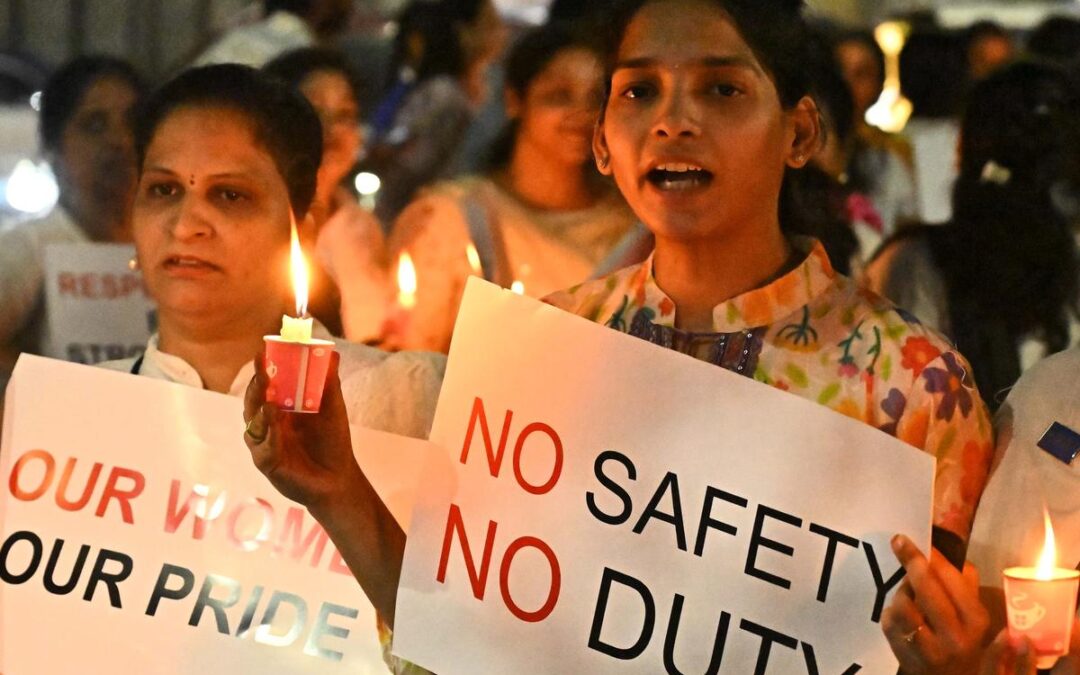
Inclusion in Public Spaces: From Fear to Freedom
Why in News?
On the occasion of International Women’s Day 2025, the focus has shifted to an often-overlooked issue: women’s accessibility and inclusion in public spaces. This discussion highlights the need for gender-equal public environments, where women can feel safe and free to navigate the world without fear or restriction. 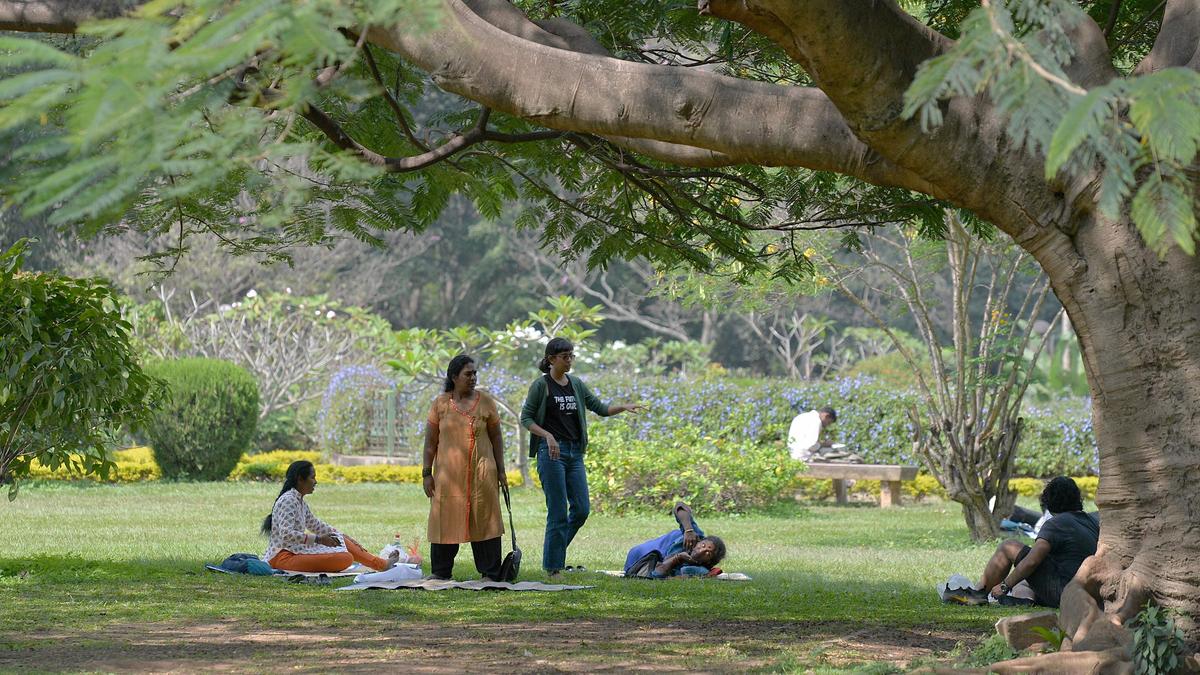
Introduction
India has long struggled with gender equality in public spaces. According to the Peace and Security Index 2023, India ranks 128 among 177 countries, reflecting deep-seated challenges in women’s safety. Despite years of research and debate on gendered spatial control, meaningful change remains slow. This calls for an urgent rethink on how public spaces can evolve from zones of fear to platforms of freedom for women.
Gendered Spatial Control
Public spaces play a vital role in socio-economic life, offering opportunities for interaction, learning, leisure, and political engagement. However, gendered dynamics often exclude women, relegating them to private, domestic spaces.
🔸 According to the National Family Health Survey (NFHS-4, 2015-16):
- Only 54% of Indian women can visit markets alone.
- Only 50% have access to health care independently.
- 48% are permitted to travel outside their village or community unaccompanied.
🔸 As per the Periodic Labour Force Survey (PLFS) 2022-23, the Female Labour Force Participation Rate (FLFPR) is only 37%, showing that a majority of women are confined to private spaces. However, more women are stepping into public arenas, albeit with hesitation and constraints.
Key Issues and Challenges
🔹 Limited Female Mobility: Women’s mobility remains constrained due to gendered spatial restrictions, which limit their presence in public areas.
🔹 Safety Concerns: Women face a higher risk of harassment and violence in public spaces, including gender-based violence and catcalling, making safety a primary concern.
🔹 Social Conditioning: Women often self-regulate body language and movement to conform to the male gaze, inhibiting their freedom to fully engage with public spaces.
🔹 Risk vs. Reward: Public spaces often represent a calculated risk for women, with vulnerability outweighing the potential for leisure or recreation.
The Issue of Safety
Women’s safety in public spaces has become a pressing concern, as they often internalize fear due to the constant threat of gender-based violence.
- Public spaces reflect societal attitudes, where violence against women goes underreported and victim-blaming is prevalent.
- Women are frequently blamed for being in the “wrong place at the wrong time.”
- Low conviction rates worsen the culture of impunity for perpetrators.
Policy-Level Changes Needed
To address these challenges, governments and communities must collaborate to:
✅ Reimagine public space planning and design, ensuring safety and inclusivity.
✅ Improve infrastructure, such as better lighting, safe street seating, accessible toilets, and recreational areas tailored for women.
✅ Promote safe public transportation, where women do not feel threatened.
✅ Implement stringent laws and interventions to address crimes against women in public spaces.
✅ Encourage community participation in reshaping public spaces as safe, welcoming environments.
Key Features of an Inclusive Public Space
🔸 Safety and Accessibility: Well-lit areas, safe transport, clean restrooms, and visible security.
🔸 Encouragement of Leisure and Recreation: Parks, benches, and spaces where women can relax or engage in leisure without judgment.
🔸 Breaking Gender Norms: Enabling women to occupy public spaces at any time, without fear or shame.
🔸 Empowering Women: Giving women the right to belong, move freely, and enjoy public amenities equally with men.
Conclusion
On International Women’s Day 2025, the call to action is clear: public spaces in India and globally need to be reclaimed and reshaped to allow women equal access and freedom. As Aswathy Chandran, research scholar at BITS Pilani, Rajasthan, argues, normalizing women’s presence in public areas is crucial to dismantling gendered barriers and ensuring real freedom.
By reclaiming public spaces, women move from a position of fear to freedom, contributing to a more equitable and vibrant public life.

