
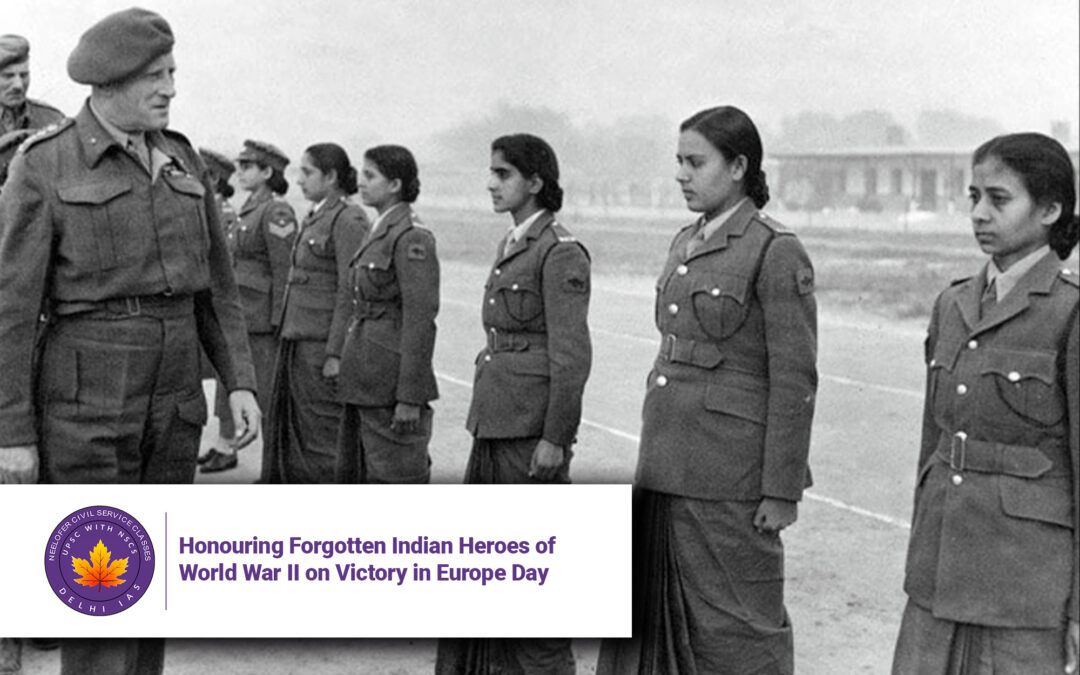
Honouring Forgotten Indian Heroes of World War II on Victory in Europe Day
Why in News?
May 8, 2025, marked the 80th anniversary of Victory in Europe (VE) Day, commemorating Nazi Germany’s surrender in 1945. As Europe celebrated the end of World War II, stories of countless Indian contributors remain largely untold. This year serves as a vital reminder of India’s unsung heroes who contributed to the Allied war effort both on the battlefield and in laboratories. 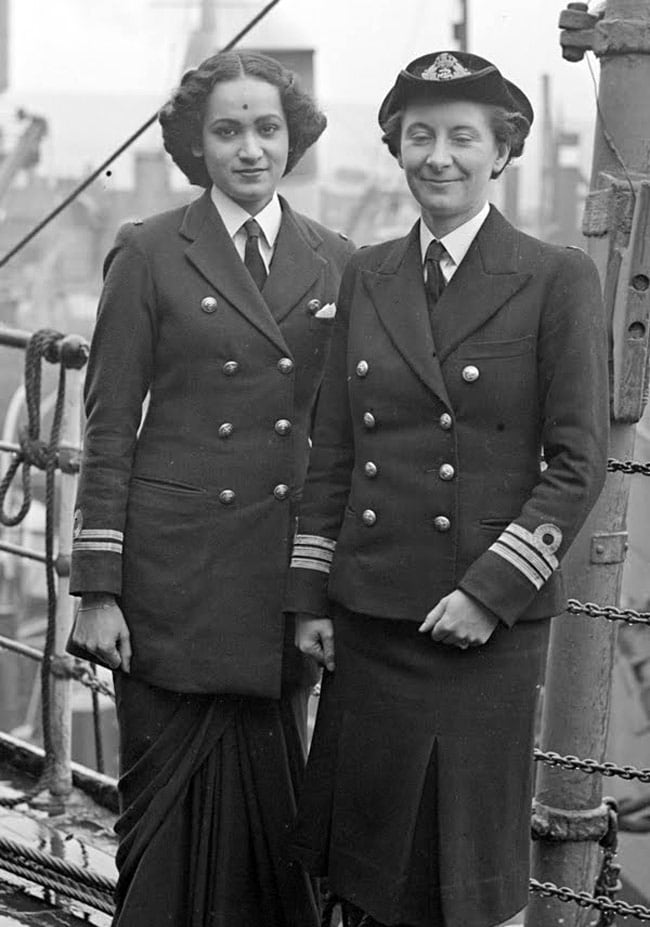
Introduction
Victory in Europe Day is a significant historical event globally, but its connection to Indian contributions is often forgotten. While European and American soldiers are celebrated, the stories of Indians like Kolachala Sitaramaiah and Idris Latif — a scientist and a fighter pilot respectively — deserve equal reverence. Their experiences reflect India’s deep but under-acknowledged involvement in the Second World War.
Key Background and Contributions
Kolachala Sitaramaiah: From Science to Service
-
Born in Andhra Pradesh in 1899, Sitaramaiah rose from humble beginnings to study in the U.S. and earned multiple degrees in chemistry and physics.
-
Disillusioned by capitalist inequality after the Great Depression, he migrated to the USSR in the 1930s and contributed to petrochemical research.
-
During the war, his work in Soviet labs helped overcome fuel shortages by inventing ways to improve kerosene-based fuels used in tanks, aiding mobility and firepower.
Idris Latif: From Pilot to Patriot
-
Idris Latif hailed from an aristocratic Hyderabad family and joined the Royal Indian Air Force.
-
Initially flying outdated planes, he was later deployed to Burma where he flew dangerous missions against Japanese forces.
-
After Partition, Latif refused to move to Pakistan despite his brother joining, asserting, “What does religion have to do with nationality?”
-
He later became the 10th Chief of the Indian Air Force and India’s Ambassador to France, deeply shaping India-France defence ties.
The Core of the Concern
Despite their immense contributions, Indian heroes like Sitaramaiah and Latif are largely missing from mainstream WWII narratives. As global focus remains on European and American efforts, these stories risk being forgotten, leaving a historical vacuum in public memory.
Key Observations
-
Victory in Europe Day should also be a time to acknowledge Indian sacrifice and intellect during the war.
-
Sitaramaiah’s and Latif’s stories highlight both scientific and military excellence, performed with commitment to a cause greater than national recognition.
-
Their decisions reflected courage — Sitaramaiah choosing research over prestige, and Latif choosing country over comfort and kinship.
-
These contributions laid foundations for India’s modern military and scientific advancements.
Conclusion
VE Day is not just about celebrating the defeat of fascism; it is about recognising every voice and effort that made that victory possible. Heroes like Kolachala Sitaramaiah and Idris Latif symbolize India’s quiet but crucial role in WWII. Their legacies, now being rediscovered, must find a permanent place in our collective memory — not just as historical footnotes, but as pillars of a proud legacy of Indian service and sacrifice.
5 Questions and Answers
Q1. What is celebrated on Victory in Europe Day (VE Day)?
Answer: VE Day commemorates the surrender of Nazi Germany on May 8, 1945, marking the end of World War II in Europe.
Q2. Who was Kolachala Sitaramaiah and what was his contribution during WWII?
Answer: Kolachala Sitaramaiah was an Indian scientist who contributed to Soviet research on fuel innovations that enhanced tank performance during the war.
Q3. What role did Idris Latif play in World War II?
Answer: Idris Latif served as a pilot in the Royal Indian Air Force, flew combat missions in Burma, and later became the Chief of the Indian Air Force and Ambassador to France.
Q4. Why are these contributions often overlooked in WWII histories?
Answer: Mainstream war histories tend to focus on Western narratives, often ignoring contributions from colonies like India despite their significant roles.
Q5. How can India honour these forgotten heroes today?
Answer: By including their stories in education, public commemorations, and national memorials, and ensuring their legacies are not lost to time.

