
About Government Talks Big on Gender Budget, Delivers Little:
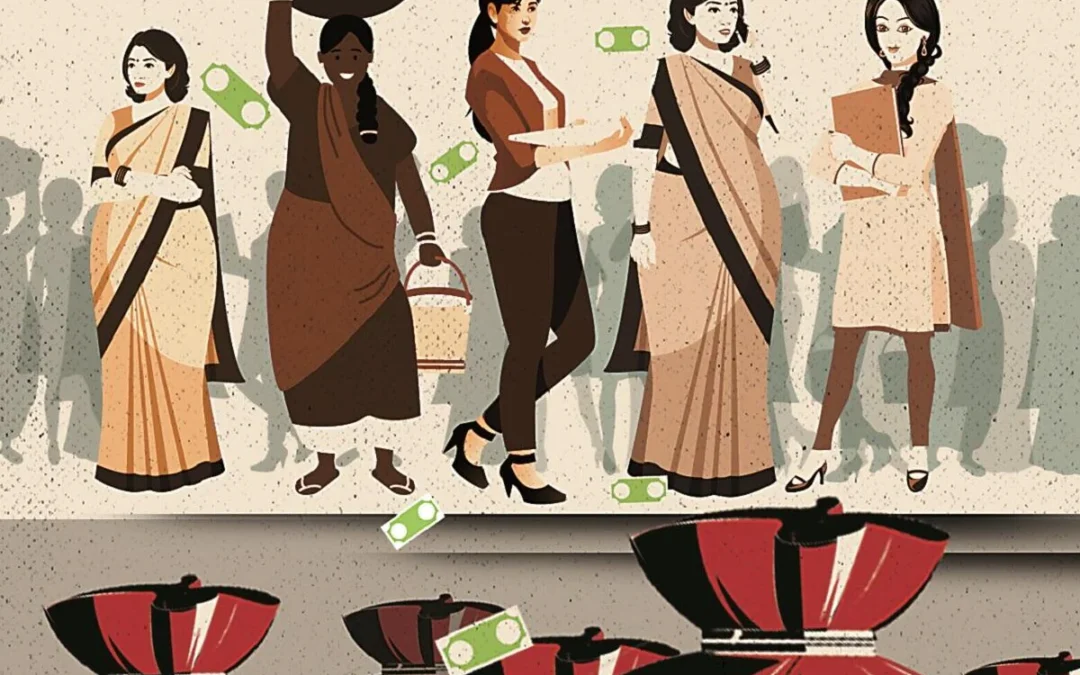
The Union and State governments often reiterate their commitment to women’s empowerment. However, when it comes to financial backing, the actual impact appears limited. This year’s gender budget accounts for 37% of the overall Budget, showcasing a growing awareness of gender-based financial allocations. However, the lack of a separate gender budget section in the Union Budget raises concerns regarding the effectiveness of these measures.
Understanding the Gender Budget Gender budgets are divided into three categories: 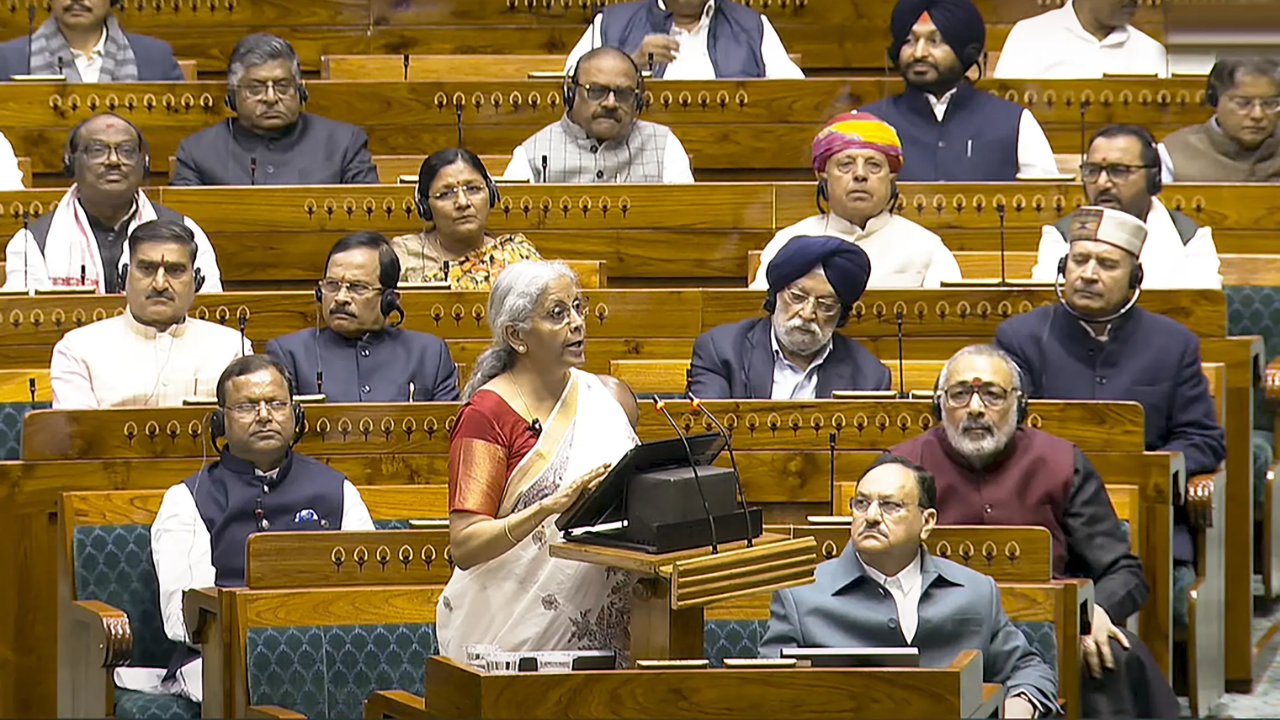
- Part A: Schemes exclusively for women (100% allocation to women).
- Part B: Schemes with allocations ranging from 30% to 99% for women and girls.
- Part C: Schemes that indirectly impact women, with at least 30% of the allocation benefiting them.
While Part C was introduced only in the 2024-25 Budget, its share in gender-related allocations remains low, at just 0.23%.
Key Features of the Gender Budget
- Increased Share but Limited Effectiveness:
- The gender budget comprises 37% of the overall Budget, but lacks an independent section.
- More than 30% of allocations under 10 ministries are gender-related.
- Sector-Specific Allocations:
- The Ministry of Women and Child Development holds a key role in gender-related funding.
- The Pradhan Mantri Kisan Samman Nidhi (PM-Kisan) falls under Part C, but women benefit less as land ownership remains largely male-dominated.
- The Mahatma Gandhi National Rural Employment Guarantee Scheme (MGNREGS) and Saksham Anganwadi have received increased allocations.
- Missed Opportunities in Skill Development:
- Women’s participation in formal skill development and employment training remains low.
- Despite multiple government initiatives, there is little focus on women’s role in emerging sectors.
Why is This in the News?
- The Finance Minister highlighted women’s empowerment multiple times in the Budget speech.
- Women’s employment and income equality remain key concerns despite increased budgetary allocations.
- A disparity exists between actual benefits received by women and the overall budget allocation, prompting criticism from gender economists and policy experts.
- Gujarat has allocated over 37% of its Budget to women-focused schemes, while Maharashtra has allocated only 3%.
Challenges and the Way Forward While gender budgeting has increased, the real challenge is ensuring that financial allocations translate into tangible improvements in women’s lives. The lack of targeted programs in education, entrepreneurship, and childcare support limits the effectiveness of these schemes. Without comprehensive monitoring, gender budgeting risks being a symbolic exercise rather than a transformative one.
Governments need to move beyond symbolic allocations and focus on genuine policy changes that enhance women’s financial independence and societal participation. Future budgets should emphasize education, skill-building, and employment opportunities to achieve true gender equity.

