
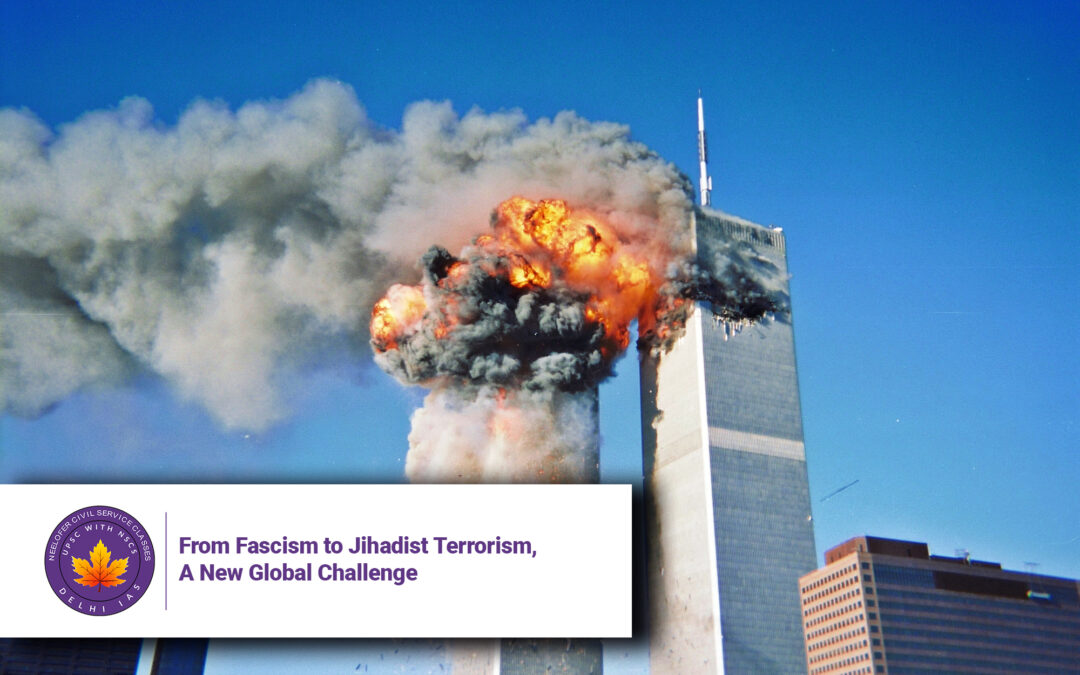
From Fascism to Jihadist Terrorism, A New Global Challenge
Why in News?
As the world marks the 80th anniversary of Nazi Germany’s defeat, global leaders reflect on how the world once united to end fascism. This historic milestone prompts a comparison with modern jihadist terrorism, a new ideological threat. The editorial explores how nations can unite to confront this shared menace. 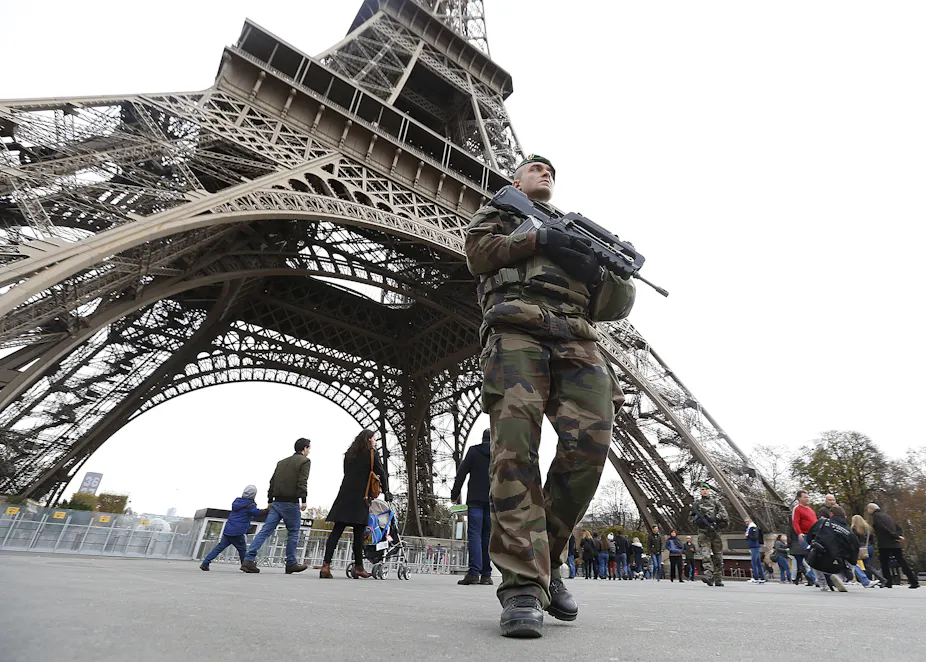
Introduction
May 1945 marked the end of World War II and the defeat of fascism, reshaping global politics. Today, jihadist terrorism has replaced fascism as the dominant ideological threat. This article analyses how past global alliances fought fascism and how similar unity could help defeat global terrorism now.
Key Issues and Background
Historic Reflection: Victory Over Fascism
-
The defeat of fascism was a global victory over a regime of extreme nationalism, dictatorship, and suppression of dissent, seen in Germany, Italy, and Japan.
-
Fascism was defined by militarism, racism, intolerance, and suppression of minorities.
Rise of Jihadist Terrorism
-
Unlike state-controlled fascism, jihadist terrorism is non-state, decentralized, and ideologically driven by religious extremism.
-
Both ideologies share intolerance, authoritarianism, and suppression of “the other.”
Global Political Irony
-
While the US, UK, and France now oppose Russian militarism in Ukraine, they historically fought against Nazism alongside Russia.
-
India abstained from recent global events due to tensions with Pakistan and the growing axis between Russia and China.
The Core of the Concern
Modern Challenges
-
Nations today are fractured by political polarisation, nationalism, and Islamophobia, especially post-9/11.
-
The rise of right-wing extremism in the West mirrors earlier fascist ideologies.
India’s Position
-
India faces direct jihadist terrorism, particularly through cross-border attacks like those in Pahalgam, prompting military responses such as Operation Sindoora.
-
India must now consider how to galvanize global support against terrorism as the Allies once did against fascism.
Key Observations
-
Jihadist terrorism is a threat to liberal democracies, much like fascism was.
-
A unified global response is missing today due to fragmented geopolitics.
-
China’s and Russia’s support of authoritarian regimes further complicates collective efforts.
Conclusion
As the world reflects on its past victory over fascism, it must learn to identify, confront, and eliminate the ideological extremism of our times. The challenge now is to forge global unity against terrorism, rising authoritarianism, and the erosion of democratic norms. India, with its unique experience and geopolitical standing, can play a pivotal role.
5 Questions and Answers
Q1. Why is the year 2025 significant in the context of World War II?
Answer: It marks the 80th anniversary of the defeat of Nazi Germany, symbolizing the global victory over fascism.
Q2. How is jihadist terrorism similar to fascism according to the article?
Answer: Both ideologies promote intolerance, authoritarianism, rejection of liberal democracy, and violence against perceived “others.”
Q3. Why was India absent from the recent commemorative event in Moscow?
Answer: Due to India’s military tensions with Pakistan and its concern over Russian support for Pakistan and China.
Q4. What current global conditions hinder a unified fight against terrorism?
Answer: Rising nationalism, political divisions, economic competition, and inconsistent alliances among major powers.
Q5. What lessons can be drawn from the global fight against fascism for today’s context?
Answer: A collective, morally committed, and coordinated global stance is essential to defeat any form of ideological extremism, including terrorism.

