

Exposomics for Better Environmental Health
Why in News?
On the occasion of World Environment Day 2025 (June 5), the global spotlight is on ending plastic pollution. Amid growing concern over the health effects of environmental exposures, a cutting-edge approach—exposomics—is gaining attention for its potential to revolutionize how we assess and prevent environmental health risks. 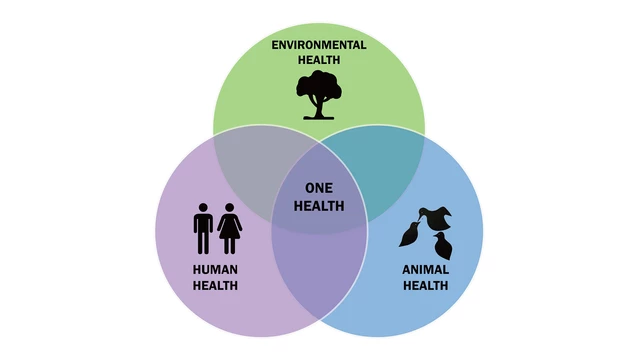
Introduction
Exposomics is the study of how a wide range of environmental factors—chemical, physical, biological—interact with our bodies throughout our lifetimes to influence health and disease. With the environmental disease burden accounting for nearly 25% of global health loss, exposomics offers a more holistic, evidence-based approach to protecting human health, particularly in a country like India where pollution and poor air quality are persistent threats.
Key Issues and Background
1. Environmental Disease Burden in India
According to the Global Burden of Disease (GBD) study by the WHO, environmental and occupational risks in India accounted for 28.62 crore DALYs (Disability Adjusted Life Years) and 59.92 lakh deaths. The major contributors are:
-
Ambient PM2.5 air pollution (42%)
-
Household air pollution (22%)
-
Unsafe water and sanitation (21%)
-
Use of solid fuels for cooking
2. Limitations of Traditional Risk Assessment
Traditional methods consider exposures at one time point and often ignore cumulative and lifetime exposures. They also lack integration with personal data like genetics or lifestyle.
3. Exposomics: A New Frontier in Health Research
Exposomics tracks environmental exposures across a person’s lifespan. It integrates external exposures (air, water, pollutants) and internal responses (biological changes, gene expression, etc.). This new approach demands long-term cohort studies, biomonitoring, and high-end data platforms to generate reliable risk estimates.
4. Climate Change and Emerging Hazards
Rising temperatures, extreme weather, waterborne diseases, wildfires, and food insecurity are all exacerbating environmental hazards, making the need for exposomics more urgent than ever.
5. The Human Exposome Project
Globally, initiatives like the Human Exposome Project (Horizon 2020) are integrating large datasets to track exposures and their health outcomes. India lacks such advanced programs, largely due to gaps in funding, data capacity, and scientific infrastructure.
Key Takeaways
-
Exposomics offers a revolutionary lens to understand how lifetime environmental exposures affect health.
-
Environmental risk factors like air and water pollution, climate-related changes, and chemical exposures are still inadequately addressed in health assessments.
-
India bears a heavy environmental disease burden, second only to China.
-
Current data systems and risk models are outdated and fail to consider long-term, cumulative exposures.
-
Investment in research, infrastructure, and data-driven exposomics is vital to improving public health outcomes and guiding policy.
Challenges and the Way Forward
Challenges
-
Limited integration of exposomics in India’s health programs
-
Lack of data on chemical exposures in Indian contexts
-
Poor infrastructure for biomonitoring and genomic data analysis
-
Inadequate human resource capacity and scientific training
Steps Forward
-
Adopt exposomics as a core part of environmental and public health strategy
-
Establish national-level exposome databases and cohort studies
-
Develop inter-ministerial collaboration on data sharing and research funding
-
Promote public-private partnerships to drive technology and innovation
-
Ensure health equity by integrating exposomics into healthcare policies
Conclusion
With environmental exposures being a major driver of disease and disability in India, the need to transition from reactive to preventive healthcare is critical. Exposomics provides that opportunity. As World Environment Day 2025 highlights the dangers of plastic pollution, India must simultaneously invest in exposomic science to truly safeguard public health and ensure sustainable development. The future of health lies not just in treating illness, but in preventing exposure.
5 Questions and Answers
Q1: What is exposomics, and why is it important?
A: Exposomics is the study of environmental exposures across a person’s life and their impact on health. It helps connect pollution, behavior, and biology to understand disease risks better.
Q2: What does the Global Burden of Disease report say about India’s environmental risks?
A: India had nearly 60 lakh deaths and over 28 crore DALYs in 2021 due to environmental and occupational risk factors, mainly air and water pollution.
Q3: How is climate change worsening environmental health risks?
A: Climate change increases the frequency of extreme weather events, food insecurity, mental health disorders, and the spread of diseases—all of which impact environmental health.
Q4: What are the main challenges India faces in adopting exposomics?
A: These include a lack of robust data systems, insufficient biomonitoring infrastructure, limited funding, and inadequate technical expertise.
Q5: What can be done to promote exposomics in India?
A: India needs investment in exposome research, creation of national data platforms, stronger health-environment links in policy, and global collaborations.

