
Empowering India’s Women Through Bold and Transformative Policies
Why in News?
On the occasion of International Women’s Day, it is vital to recognize India’s bold strides in empowering women through comprehensive government initiatives. These policies are transforming women’s access to sanitation, clean water, financial inclusion, entrepreneurship, and leadership, fostering a new era of economic and social progress.
Introduction
India is witnessing a significant transformation in women’s empowerment, driven by government initiatives that address fundamental issues such as health, hygiene, financial inclusion, and leadership. These policies are not only improving the quality of life for millions of women but are also reshaping India’s workforce and governance.
Key Features of Women-Centric Initiatives
1. Sanitation and Clean Water Missions
- Swachh Bharat Abhiyan (Clean India Mission) focused on ending open defecation, especially in rural areas, and improving women’s safety and dignity. Over 116 million households have benefitted, ensuring healthier environments and greater freedom for women.
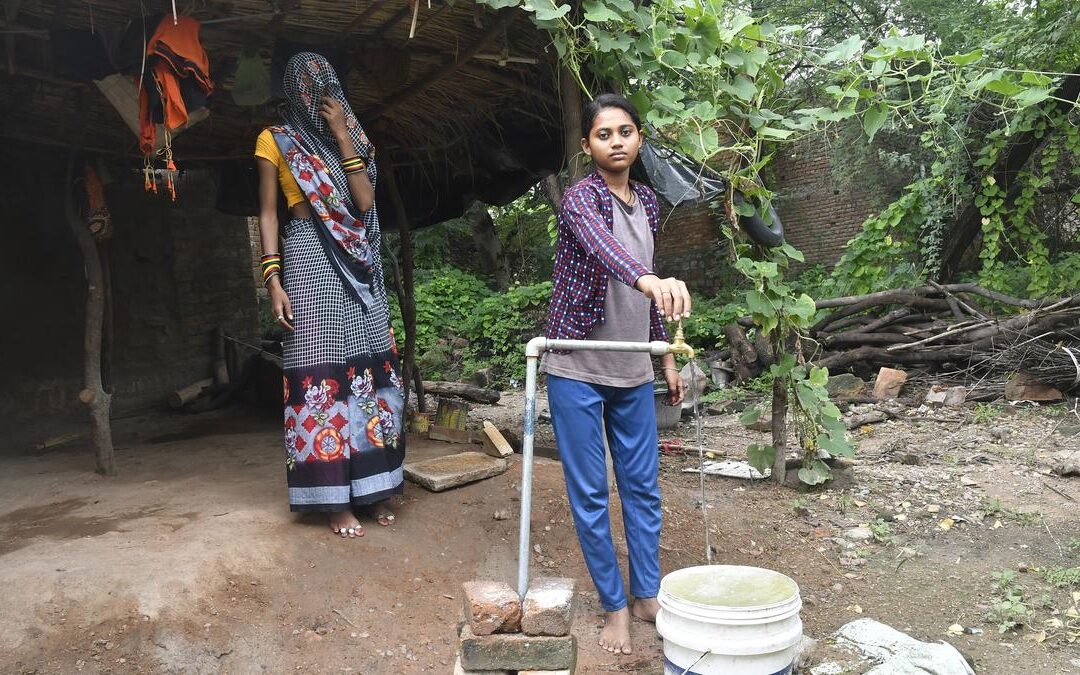
- Jal Jeevan Mission (JJM) aimed to provide tap water access to all rural households. Prior to JJM, only 17% of households had tap water connections, leading to increased water-fetching burdens on women. Now, by providing tap water, JJM has improved women’s daily lives and opportunities for education and employment.
- Community-based solutions, like the Maa Tarini Self-Help Group (SHG) in Rourkela, have addressed the specific sanitation needs of women, focusing on menstrual hygiene and community-driven sustainable water management.
2. Women-Led Businesses and Financial Inclusion
- India’s economic landscape is being reshaped by women entrepreneurs through schemes like Stand-Up India and Pradhan Mantri Mudra Yojana.
- Stand-Up India sanctioned over ₹63,609 crore in loans, with 68% of the loans going to women.
- PM Mudra Yojana has provided ₹23.26 lakh crore for 51.4 crore loans, supporting small women-led businesses.
- Digital initiatives such as BharatNet and PM Wi-Fi Access Network Interface (PM-WANI) have extended internet access to rural areas, promoting women’s entrepreneurship and digital literacy.
- The Jan Dhan Yojana facilitated 300 million bank accounts, improving women’s financial independence and access to formal credit.
3. Leadership in Governance and Workforce Participation
- Women’s participation in governance has significantly improved under Prime Minister Narendra Modi’s leadership.
- Reservation for women in legislative bodies has paved the way for higher representation.
- Approximately 46% of elected representatives in Panchayati Raj Institutions (PRIs) are women, especially in rural governance.
- Policies like Maternity Benefit (Amendment) Act and Workplace Gender Equality initiatives have promoted women’s workforce participation.
- India’s women workforce participation jumped to 27% in 2022 from 23.3% in 2019, reflecting progress towards gender parity in employment.
Specific Impacts or Effects
- Economic Empowerment: Women’s access to credit and entrepreneurship has improved economic independence and contributed to local development.
- Social Upliftment: Improved sanitation and health initiatives have enhanced dignity and safety, particularly in rural areas.
- Political Inclusion: Women’s increasing representation in governance has broadened policy discussions and strengthened democratic processes.
- Digital Literacy and Inclusion: Internet penetration has facilitated women’s access to information and entrepreneurship opportunities.
Challenges and the Way Forward
Challenges:
- Persistent gender biases in certain sectors.
- Need for higher women’s participation in science, technology, engineering, and mathematics (STEM) fields.
- Bridging gaps in urban and rural policy implementation.
Steps Forward:
- Promote STEM education and employment opportunities for women.
- Continue expanding access to credit, training, and market linkages for women entrepreneurs.
- Strengthen policies promoting gender parity in leadership roles, both political and corporate.
- Enhance safety, health, and education initiatives to sustain empowerment gains.
Conclusion
India’s transformative policies are laying a strong foundation for women’s empowerment across economic, social, and political spheres. From access to clean water and sanitation to entrepreneurship and leadership, these bold initiatives are not only improving lives today but also paving the way for a more inclusive and equitable future. By continuing to foster gender equality, India can ensure sustainable development and social progress for generations to come.

