
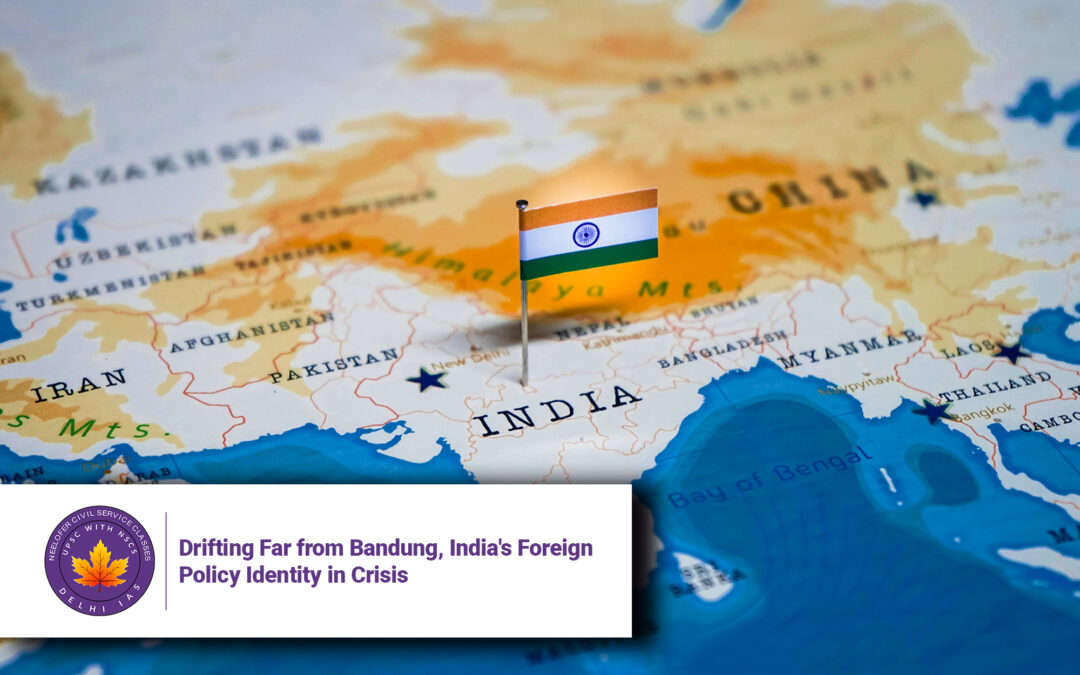
Drifting Far from Bandung, India’s Foreign Policy Identity in Crisis
Why in News?
The 70th anniversary of the historic Bandung Conference—a milestone in post-colonial solidarity and the birth of the Non-Aligned Movement (NAM)—passed without notable recognition from India. This silence reflects a deeper identity crisis in India’s foreign policy, moving away from its legacy of neutrality, multilateralism, and South-South cooperation. 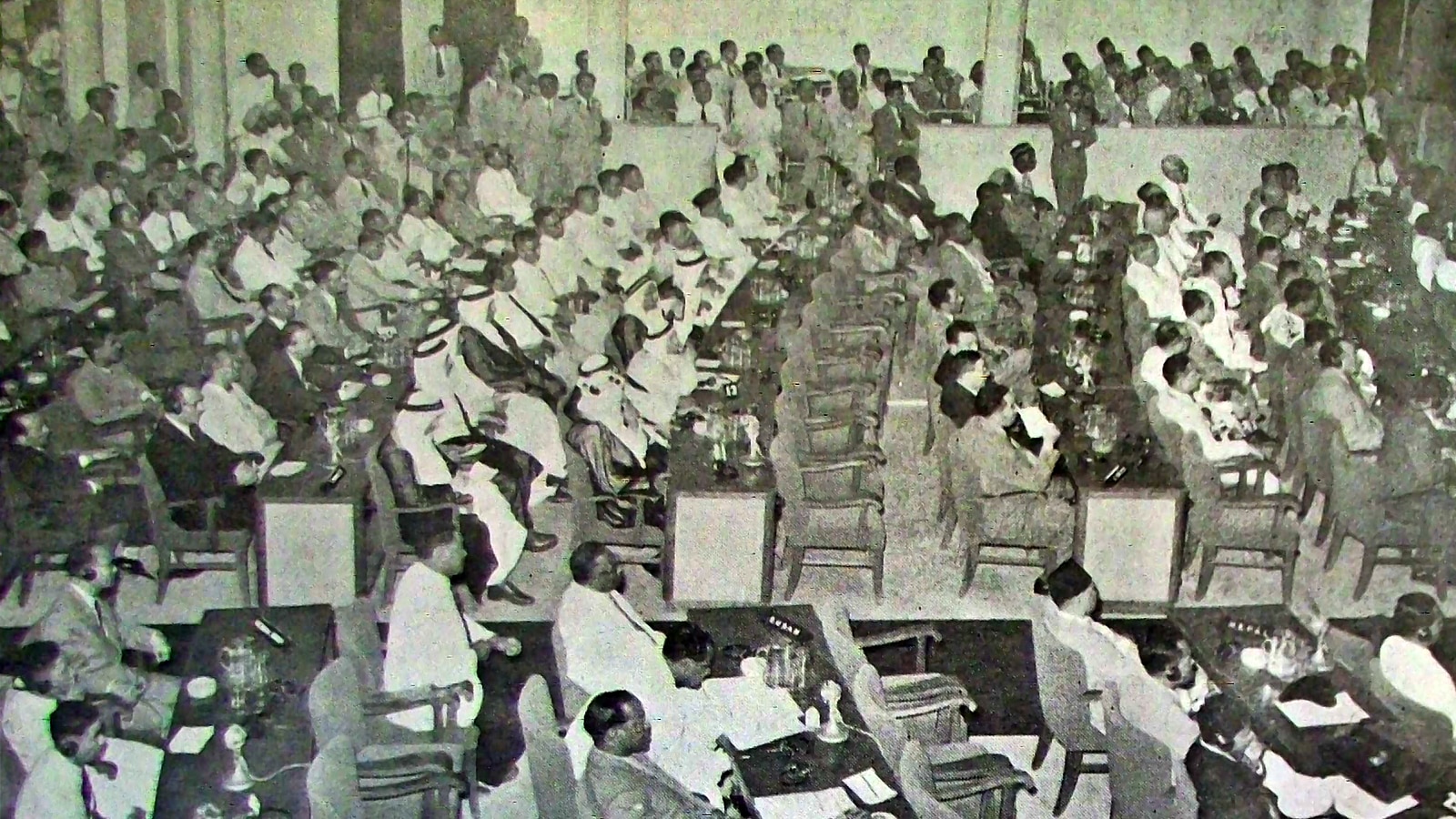
Introduction
In 1955, India played a key role in shaping the Bandung Conference, a platform that later birthed the Non-Aligned Movement. It projected a vision of a peaceful, sovereign, and anti-colonial global order, distinct from Cold War alignments. But in today’s era, India’s silence on Bandung’s legacy signals a shift away from such an identity toward more transactional and alliance-driven diplomacy.
Key Issues and Strategic Concerns
1. Forgotten Legacy
India’s non-recognition of the 70th anniversary of the Bandung Conference reflects a collective amnesia about its leadership in the Global South. The Bandung spirit stood for decolonization, peaceful coexistence, and equity in global governance.
2. Shift in Foreign Policy Priorities
India’s foreign policy is now largely domestic interest-driven, with an increasing tilt toward strategic alliances rather than ideological alignment. The dominance of “hard power” strategies—military deals, economic blocs, and realpolitik—is now prioritized over traditional normative diplomacy.
3. Non-Alignment to Strategic Alignment
India’s gradual alignment with Western powers and the rise of security pacts like the Quad suggest a shift from its earlier non-aligned stance. India, once a voice of the voiceless, now seems cautious or silent on multilateral platforms like the UN, NAM, and G77.
4. Erosion of Multilateralism
India’s reluctance to speak on multilateralism, especially amid global conflicts and geopolitical polarization, undercuts its potential leadership in uniting developing nations around shared global challenges such as climate change, poverty, and inequality.
5. Reactive vs Proactive Diplomacy
Rather than offering visionary foreign policy leadership, India increasingly adopts a reactive stance—responding to crises and threats with short-term tactical moves instead of advancing a long-term strategic vision rooted in historical experience.
Conclusion
India once stood as a symbol of moral diplomacy, neutrality, and leadership among post-colonial nations. The lack of commemoration for the Bandung Conference reflects a concerning ideological drift. To retain its place in global forums as a credible, independent actor, India must revisit and reclaim its legacy of principled diplomacy, even while engaging with emerging realpolitik strategies.
Q&A Section
Q1. What was the significance of the Bandung Conference?
The Bandung Conference (1955) was a major event in post-colonial diplomacy where Asian and African nations gathered to assert their sovereignty, independence, and call for a non-aligned global order free from Cold War influences.
Q2. What is the Non-Aligned Movement (NAM)?
NAM emerged from the Bandung spirit. It was a coalition of countries that chose not to align with either the US or USSR during the Cold War, instead advocating for peaceful coexistence and multilateralism.
Q3. How has India’s foreign policy shifted in recent years?
India has shifted from ideologically driven diplomacy to a more transactional and alliance-based approach, prioritizing short-term strategic gains over long-standing values.
Q4. Why is India’s silence on the Bandung anniversary significant?
It reflects a disconnect from its historical leadership role in championing the causes of developing nations and suggests an identity crisis in current foreign policy.
Q5. What is the suggested way forward for India?
India must balance strategic alignments with normative leadership, revisiting the values of NAM and multilateral cooperation to command respect and credibility on the global stage.

