
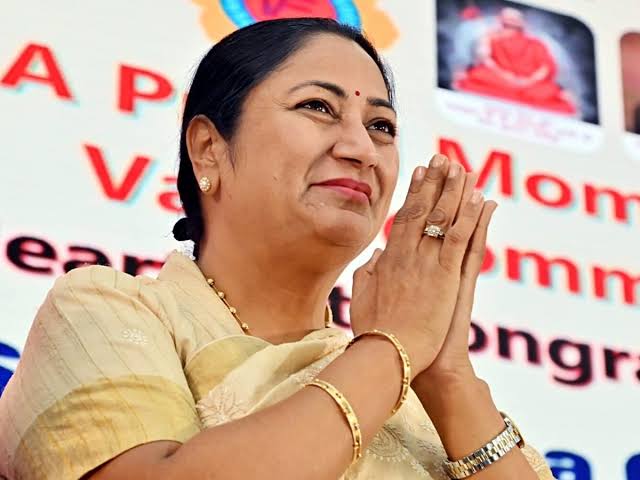
Delhi Government Launches Mahila Samridhi Yojana: Balancing Welfare and Political Strategy
Why in News?
The Delhi Government, under the leadership of Chief Minister Rekha Gupta, has approved the Mahila Samridhi Yojana—a financial assistance scheme for women. The move comes amidst debates over the fine line between welfare measures and political freebies. 
Introduction
The Mahila Samridhi Yojana promises ₹2,500 per month to economically weaker women in Delhi. The scheme was a core electoral promise of the BJP during its campaign in the state. The financial outlay is projected at ₹5,100 crore, aimed at women between the ages of 18 and 60 years with annual incomes not exceeding ₹2.5 lakh.
Key Features
-
Scheme Details
- Monthly aid of ₹2,500 for eligible women.
- Target group: Women aged 18 to 60 years, with an annual family income limit of ₹2.5 lakh.
- Total projected expenditure: ₹5,100 crore.
-
Implementation Plans
- Delhi’s Chief Secretary and other officials have finalized eligibility conditions.
- Despite promises of payments starting March 8, there’s no clear date for disbursement yet.
- Lack of communication on eligibility criteria during the election campaign has raised concerns.
-
Political Context
- The scheme is positioned as a move away from the “freebie culture” while still addressing welfare needs.
- The government aims to differentiate its initiative from what critics often label as populist giveaways.
Specific Impacts or Effects
-
Debate on Welfare vs. Freebies
- Prime Minister Narendra Modi has frequently warned against schemes that risk state finances and long-term economic health.
- He emphasizes self-reliance rather than direct cash transfers.
- The Delhi Government is under pressure to ensure the scheme’s financial sustainability.
-
BJP’s Strategy and Challenges
- JP Nadda launched the scheme, praising Rekha Gupta’s leadership.
- Gupta inherits a challenging financial situation, with Delhi’s coffers under strain.
- Delhi already allocates substantial subsidies, raising concerns over further financial commitments.
-
Subsidies Under Scrutiny
- Past subsidies under the Kejriwal Government have skyrocketed:
- Power subsidies: ₹292 crore (2014-15) to ₹3,600 crore (2024-25).
- Water subsidies: ₹21 crore (2014-15) to ₹500 crore (2024-25).
- Free bus travel for women: ₹115 crore (2019-20).
- The total subsidy outlay rose from ₹1,555 crore (2014-15) to ₹3,018 crore (2015-16).
- There are calls for independent inquiries into Delhi’s power and water subsidies and alleged corruption, such as the so-called “Water Mafia.”
- Past subsidies under the Kejriwal Government have skyrocketed:
Challenges and the Way Forward
Challenges
-
Timely and Transparent Implementation
- No clear disbursement date despite earlier promises.
- Concerns over additional conditions and eligibility clarity.
-
Financial Management
- Managing the ₹5,100 crore required for the scheme without worsening Delhi’s fiscal deficit.
-
Balancing Ideological Opposition to Freebies
- The BJP has traditionally criticized direct cash schemes but now faces electoral pressures to deliver.
Steps Forward
- Swift Execution
- Ensure that payments start promptly to maintain credibility.
- Transparent Communication
- Publicly clarify eligibility and application processes.
- Long-term Planning
- Maintain a balance between welfare benefits and fiscal responsibility.
Conclusion
The Mahila Samridhi Yojana aims to boost the BJP’s appeal among women voters, a key demographic in Delhi’s evolving electoral landscape. The success of the scheme hinges on timely delivery and financial prudence. As Delhi’s political dynamics shift, the challenge for Rekha Gupta’s government lies in balancing ideological positions with the electoral necessity of welfare programs. Indeed, politics remains the art of the possible.
Questions and Answers
-
What is the Mahila Samridhi Yojana?
A Delhi government scheme offering ₹2,500 monthly assistance to economically weaker women. -
Who launched the scheme?
Delhi Chief Minister Rekha Gupta and BJP national president JP Nadda. -
What is the total budget for the scheme?
₹5,100 crore. -
Who are eligible for this scheme?
Women aged 18-60 years with an annual income cap of ₹2.5 lakh. -
When will payments start?
Initially promised from March 8, but no confirmed date yet. -
What are the criticisms of the scheme?
Delays in implementation, unclear eligibility criteria, and concerns over fiscal sustainability. -
What subsidies has Delhi already allocated?
Power, water, and free bus travel subsidies totaling thousands of crores. -
What has Prime Minister Modi said about such schemes?
He cautions against excessive populism and advocates for measures promoting self-reliance. -
What is the water subsidy projection for 2024-25?
₹500 crore, up from ₹21 crore in 2014-15. -
What remains the key challenge for Rekha Gupta?
Delivering on welfare promises without straining Delhi’s already stretched finances.

