
Custodial Deaths in India, Zero Convictions and Deep-rooted Impunity
Why in News?
Recent data from the National Crime Records Bureau (NCRB) and various court proceedings, including observations by the Madras High Court, have brought the issue of custodial deaths back into the spotlight. Despite numerous incidents, no police officer in Tamil Nadu—or across India—has been convicted for such deaths between 2017 and 2022.
Introduction
Custodial deaths remain a glaring human rights concern in India. A striking example is the case of Ajith Kumar, a security guard who died in police custody in Sivaganga, Tamil Nadu. His case, like many others, is part of a disturbing trend of deaths in police custody with little to no accountability. While judicial and magisterial inquiries have been initiated in many cases, convictions remain elusive. This raises concerns about the efficiency of the criminal justice system and the protection of fundamental rights. 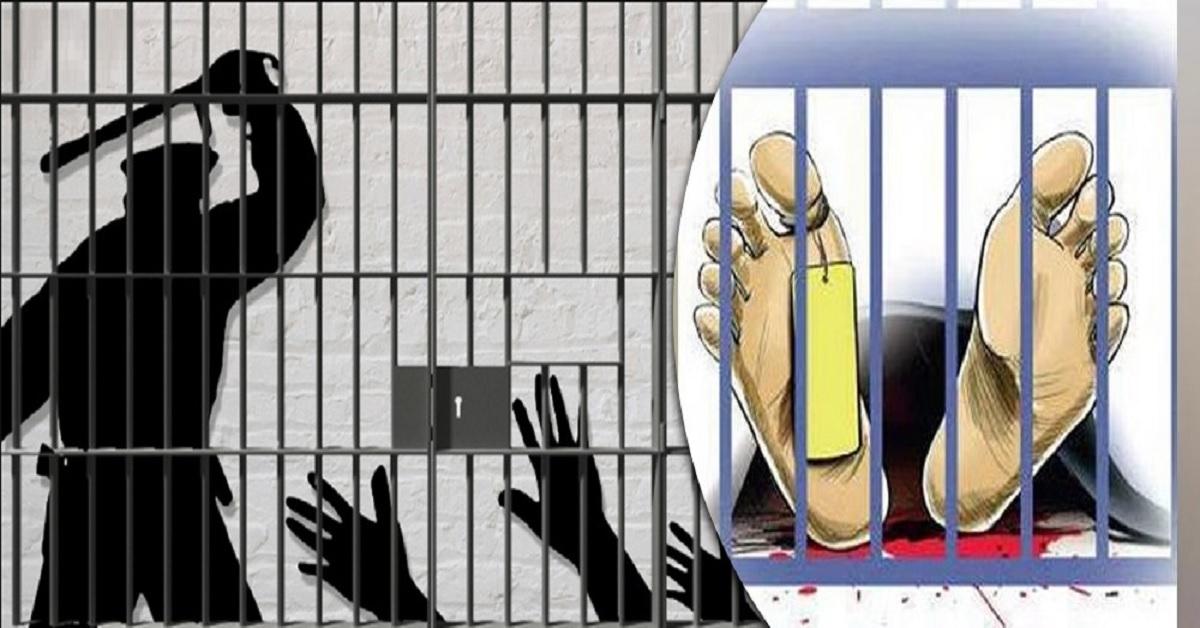
Key Issues and Institutional Concerns
-
Zero Convictions Nationwide (2017–2022)
According to official data, 345 judicial/magisterial inquiries were ordered into custodial deaths, 123 policemen were arrested, and 79 were charge-sheeted. Yet, not one has been convicted. -
Tamil Nadu: A Grim Leader
Tamil Nadu reported the highest number of such deaths (73), followed by Maharashtra (888), Uttar Pradesh (2,630), and West Bengal (935). Tamil Nadu also saw the highest number of Dalit detainees—2,129 in 2022—making up 38.5% of all Dalit detainees in India. -
SCs Disproportionately Targeted
Chart 4 in the data reveals that Scheduled Castes (SCs) are over-represented among detainees. In Tamil Nadu, while SCs form about 20% of the population, they account for 38.5% of the total detenues. -
Human Rights Violations Unaddressed
Between 2017 and 2022, 74 cases were filed against police for human rights violations including illegal detention and torture, yet only three convictions occurred. -
Systemic Gaps and Legal Inaction
The failure to secure convictions reflects a broader systemic issue involving lack of accountability, political will, and a culture of impunity. The legal machinery appears ineffective at delivering justice in custodial death cases.
Conclusion
Despite growing public outcry and judicial scrutiny, the Indian state continues to fail in ensuring justice in cases of custodial deaths. Dalits and other marginalized communities remain especially vulnerable. Stronger enforcement mechanisms, judicial oversight, and police reforms are urgently needed to address this persistent human rights violation.
Q&A Section
1. Q: How many police officers were convicted for custodial deaths between 2017 and 2022?
A: None. Despite 345 inquiries, 123 arrests, and 79 charge sheets, zero convictions were recorded.
2. Q: Which state reported the highest number of custodial deaths?
A: Uttar Pradesh, with 2,630 deaths between 2016–17 and 2021–22.
3. Q: Why is Tamil Nadu particularly in focus?
A: Tamil Nadu had the highest number of Dalit detenues and multiple high-profile custodial death cases, with no convictions of police officers.
4. Q: How are Scheduled Castes (SCs) disproportionately affected?
A: SCs form 20.01% of Tamil Nadu’s population but accounted for 38.5% of detenues in the state in 2022.
5. Q: What are the broader implications of the data?
A: The lack of police accountability in custodial deaths reflects systemic injustice and requires urgent legal and institutional reforms to protect basic human rights.

