

Border Tensions Along Indo-Pak Border Disrupt Lives in Punjab Villages
Why in News?
Recent shelling incidents and rising tensions along the Indo-Pak border have once again brought fear and disruption to the lives of civilians in Punjab’s Ferozepur district, particularly those living in villages close to the Zero Line. Many villagers are now hoping for peace and a return to normalcy after days of heightened uncertainty. 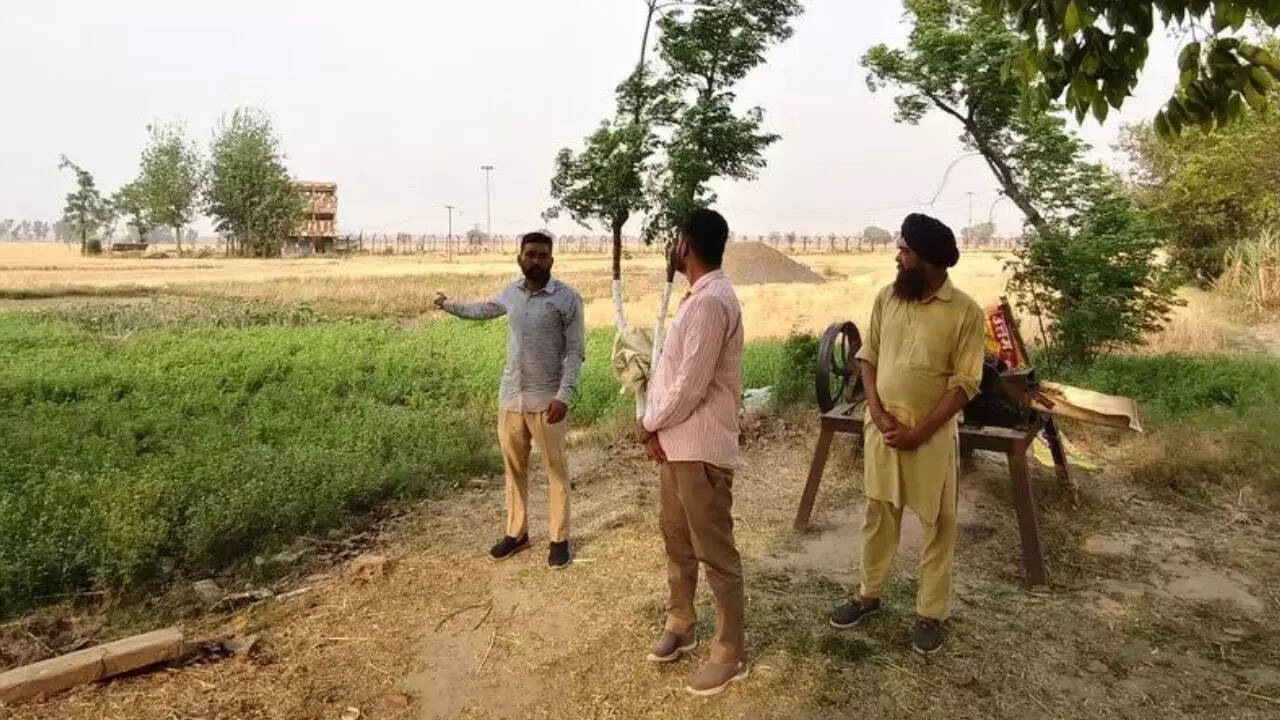
Introduction
The escalation of border tensions between India and Pakistan, following the terror attack in Jammu’s Poonch district and subsequent military responses, has taken a heavy toll on border villages in Punjab. Civilians, especially women, children, and the elderly, have borne the brunt of the violence — with homes destroyed, cattle injured, and lives disrupted by fear.
Key Issues and Background
1. Civilian Life Disrupted
-
Border villages like Hazara Singh Wala, Mallanwala, and Gatti Rajo Ke, situated close to the Zero Line, have been directly impacted.
-
Residents reported that they were sitting at dinner when their homes came under attack, with shells causing fires, splinters, and injuries.
-
Several cattle were injured, homes caught fire, and local shops shut down as fear gripped the residents.
2. Events That Triggered the Tensions
-
The current tension was sparked by the terrorist ambush on Indian soldiers in Jammu’s Poonch on April 20, which led to retaliatory shelling.
-
This follows a history of periodic escalations between India and Pakistan, especially during sensitive occasions or political events.
3. Emotional and Social Impact
-
Many villagers had to cancel weddings and religious celebrations.
-
People are afraid to leave home and children have stopped going to school.
-
Some villagers have even started digging makeshift bunkers, while others pray for peace.
The Core of the Concern
Border Villagers Caught in the Crossfire
-
Although not involved in the conflict, border residents live in constant anxiety.
-
Access to essential services like healthcare becomes difficult during such times.
-
Residents feel neglected, often being used as a buffer zone during India-Pakistan confrontations.
Key Observations
-
Border Security Force (BSF) outposts and camps dominate the region, but civilian protection during sudden escalation is still lacking.
-
People live under fear, unable to plan even for weddings or family events.
-
There is growing demand for permanent safety measures, bunkers, and evacuation protocols.
Conclusion
As geopolitical tensions rise and fall, the lives of border villagers remain trapped in a cycle of fear and recovery. While peace efforts at diplomatic levels continue, the voices of border communities must not be ignored. Permanent safety infrastructure, civilian awareness programs, and emergency preparedness are critical to prevent loss of life and livelihoods in future escalations.
5 Questions and Answers
Q1. Why did tensions escalate along the Indo-Pak border in Punjab recently?
A: The tensions rose following the terrorist ambush in Jammu’s Poonch and retaliatory actions between Indian and Pakistani forces, leading to shelling near border villages.
Q2. How have villagers in Ferozepur district been affected?
A: Many homes and cattle were damaged due to shelling, residents suffered injuries, weddings and events were canceled, and people lived in fear of further violence.
Q3. What specific challenges did children and elderly people face?
A: Children missed school, and the elderly were unable to access healthcare, while many families faced mental trauma and displacement.
Q4. What measures do villagers demand for future safety?
A: They are asking for bunkers, better protection from BSF, relocation protocols, and long-term peace talks to prevent being caught in the crossfire.
Q5. How does this reflect the broader situation of border villagers in India?
A: It highlights that border communities often suffer silently during national conflicts, with inadequate safety nets and limited government support for emergency situations.

