

Blood Vessel Damage, A New Suspect in Neurodegeneration?
Why in News?
Two recent studies published in Science Advances and Nature Neuroscience have revealed a significant new theory: neurodegenerative diseases like Alzheimer’s and Parkinson’s might begin with damage to blood vessels in the brain, particularly the blood-brain barrier (BBB), much before neurons begin to die. 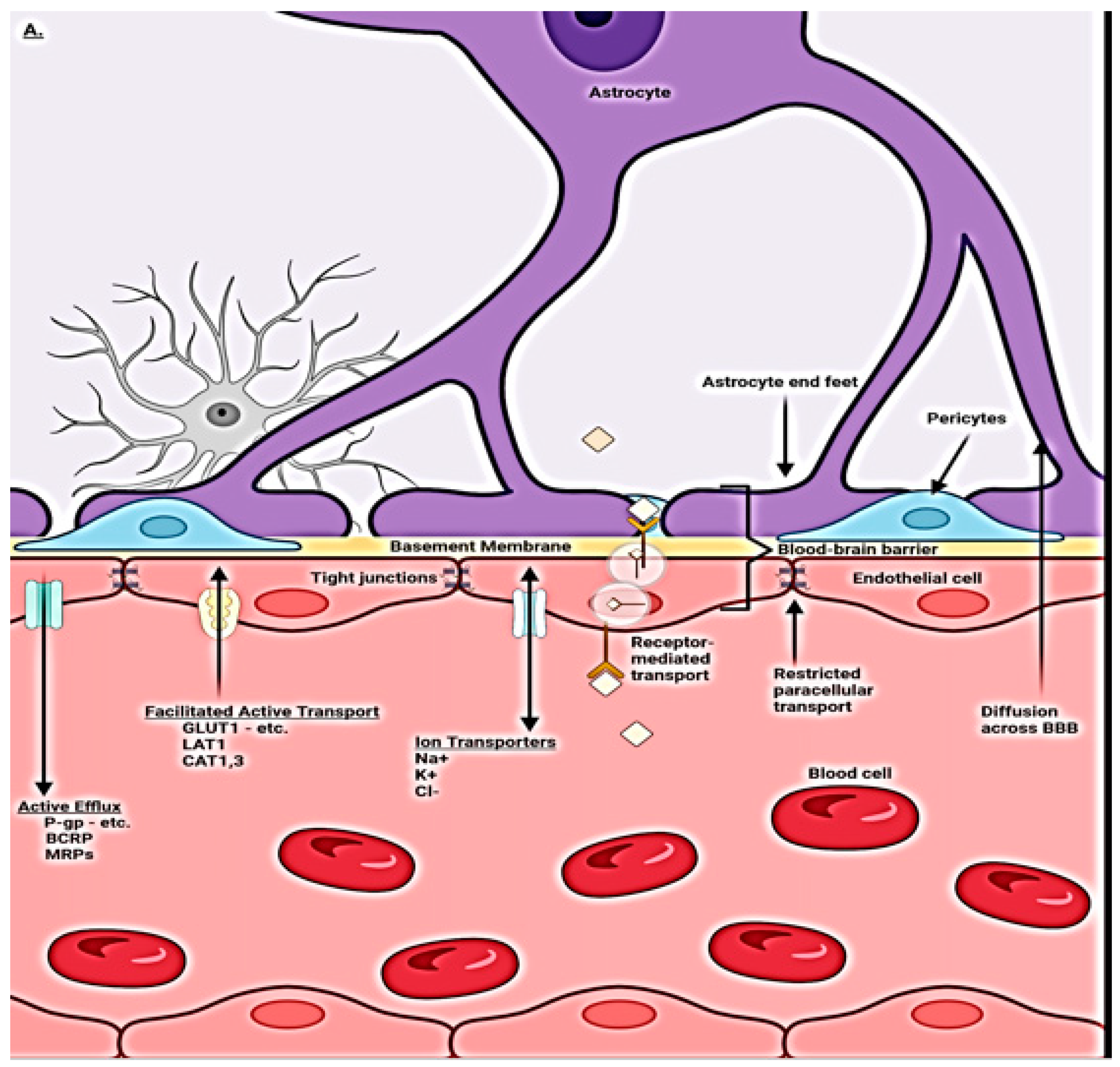
Introduction
Neurodegenerative disorders have long been linked to the slow deterioration and death of neurons. However, new evidence suggests the first signs of these diseases may actually originate in the endothelial cells that make up the BBB, a critical protective layer that filters substances moving from the bloodstream into the brain.
Key Issues and Background
The Blood-Brain Barrier (BBB):
-
A vital barrier that protects the brain from harmful substances.
-
Maintains brain homeostasis and prevents inflammation.
-
Made up of endothelial cells that control molecular flow.
Emerging Hypothesis:
-
Damage to the BBB leads to leakage, allowing harmful proteins and toxins to infiltrate the brain.
-
This could trigger inflammation and ultimately neuron death.
The Core of the Concern
-
In neurodegenerative patients, BBB becomes leaky, even before typical brain damage is observed.
-
This leakage enables harmful substances and proteins like TDP-43 to accumulate in the brain.
-
TDP-43, a protein essential for RNA processing, is implicated in Alzheimer’s and is now found to misbehave even in BBB cells, not just neurons.
Key Observations
-
In Alzheimer’s patients, genes associated with blood vessels are often altered.
-
The endothelial dysfunction seen in human Alzheimer’s brains was successfully replicated in mice models.
-
Researchers found elevated levels of molecules like claudin-5 and VE-cadherin, essential to BBB stability, had dropped significantly in Alzheimer’s patients.
-
BBB damage may be the earliest warning sign, even before memory symptoms develop.
Challenges and the Way Forward
Challenges:
-
The traditional view focuses only on neuron death, potentially delaying early interventions.
-
Diagnosing BBB dysfunction in living patients remains a technical hurdle.
-
BBB abnormalities are complex and multi-causal, requiring further in-depth analysis.
Steps Forward:
-
Shift research focus to early blood vessel damage markers.
-
Develop diagnostic tools for BBB health screening.
-
Explore therapies to stabilize the BBB, especially in high-risk patients.
-
Reconsider treatment strategies to target vascular issues before neuronal symptoms arise.
Conclusion
The new findings offer a radical perspective: the first domino in brain degeneration may be blood vessel damage, not neuron loss. This paradigm shift urges scientists and clinicians to rethink the roots of neurodegenerative diseases and target the vascular system early to prevent long-term cognitive decline.
Q&A Section
-
What is the key new discovery about neurodegenerative diseases?
Studies suggest that damage to the blood-brain barrier (BBB) may be the starting point of diseases like Alzheimer’s. -
Why is the blood-brain barrier important?
It protects the brain by preventing harmful substances from entering brain tissue. -
What role does the TDP-43 protein play in neurodegeneration?
It is essential for RNA processing, but when it misbehaves—especially in BBB cells—it may trigger disease. -
What did scientists find in Alzheimer’s patients regarding BBB?
Their BBB was found to be leaky and inflamed, even before neurons began dying. -
How could this discovery change future treatments?
It could lead to early interventions focused on stabilizing the BBB, potentially delaying or preventing neuron loss.

