
As Imports of Semiconductor Chips Rise, India Eyes Local Production
Why in News?
India’s rising import dependence on semiconductor chips has raised concerns, prompting the government to accelerate domestic manufacturing under the Semicon India Programme. In FY24, the total value of monolithic integrated circuits imports reached ₹1.05 lakh crore, marking a 2,000% increase compared with FY16. 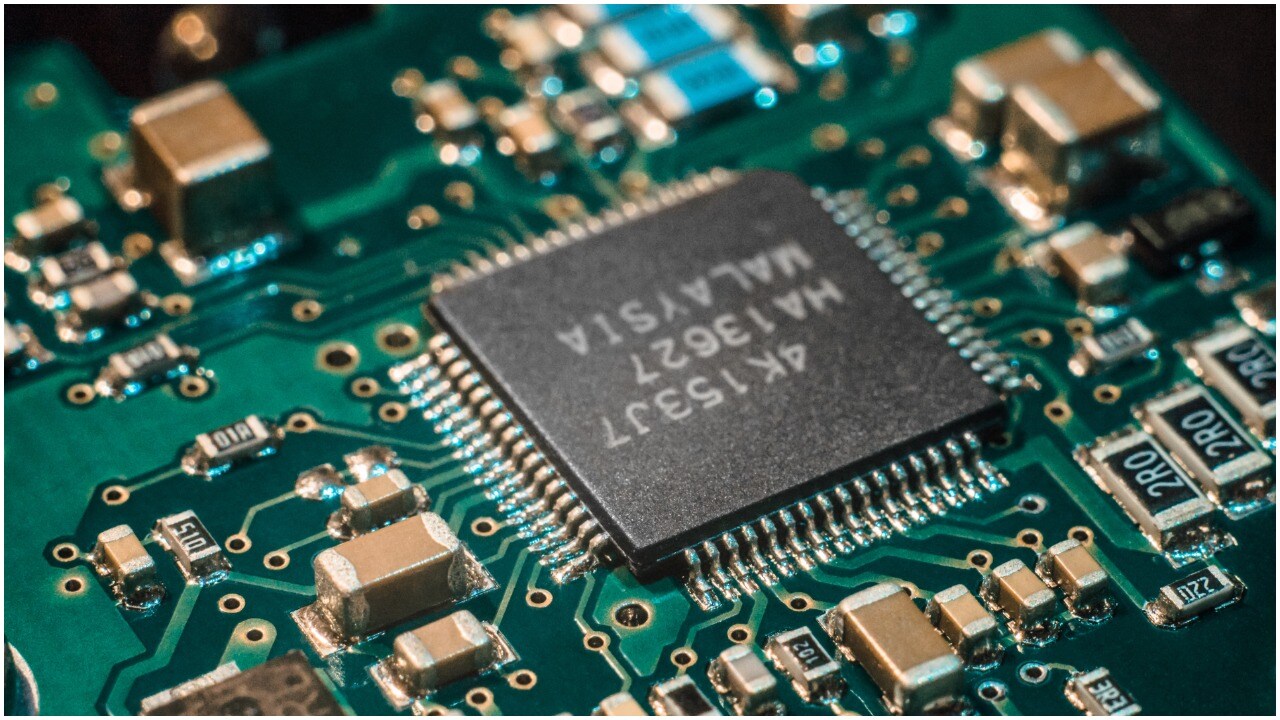
Introduction
Semiconductor chips are essential components in modern electronics, used in everything from smartphones and automobiles to medical devices and industrial automation systems. India, being one of the fastest-growing digital economies, heavily depends on importing these chips. Recognizing the strategic importance of self-reliance in semiconductor production, India has launched several initiatives to boost domestic manufacturing.
Key Features
-
Rising Imports of Semiconductor Chips
- In FY24, India imported monolithic integrated circuits worth ₹1.05 lakh crore, representing a massive 2,000% rise from FY16.
- Memory chips, including non-volatile memories like NAND flash, saw a 5,000% increase in imports over the same period.
- Imports of equipment related to communication, data processing, and video devices increased by 4,800% in FY24.
-
Dependence on China
- China has consistently been India’s top supplier of semiconductor chips over the past 10 years, except in FY19.
- In FY24, nearly one-third of India’s semiconductor imports originated from China.
-
Semicon India Programme
- Launched in 2021 to develop a sustainable semiconductor and display manufacturing ecosystem.
- Five major manufacturing facilities are under construction in collaboration with global leaders like Taiwan’s Powerchip Semiconductor Manufacturing Corporation.
- The programme received significant budget allocations: ₹3,000 crore in FY23, ₹6,903 crore in FY24 (revised estimates), and ₹7,000 crore for FY25.
-
Budget and Spending
- Despite the allocations, actual spending has been much lower. In FY23, out of ₹3,000 crore, only ₹1,593 crore was spent.
- FY24 saw ₹681 crore spent out of the ₹6,903 crore allocation.
Specific Impacts or Effects
-
Share of Semiconductors in India’s Imports
- The share of semiconductor chips in India’s total imports increased from 0.19% in FY16 to 2.1% in FY24.
- Monolithic ICs account for 90% of India’s total semiconductor imports.
-
Impact on Trade and Technology Sectors
- The heavy reliance on imported semiconductors affects India’s trade balance and exposes its technology ecosystem to geopolitical risks.
Challenges and the Way Forward
Challenges:
- High capital expenditure and long gestation periods for semiconductor fabrication facilities.
- Dependence on a limited number of foreign suppliers, especially China.
- Low actual utilization of budget allocations for domestic initiatives.
Steps Forward:
- Fast-tracking the completion of fabrication units under the Semicon India Programme.
- Encouraging private sector participation and foreign direct investment in semiconductor manufacturing.
- Strengthening international partnerships for technology transfer.
- Developing a skilled workforce for the semiconductor industry.
- Ensuring optimal utilization of allocated budgets and faster implementation of projects.
Conclusion
The surge in India’s semiconductor chip imports underscores the urgency for building a robust domestic manufacturing ecosystem. The government’s initiatives under the Semicon India Programme are promising, but their success will depend on efficient execution and overcoming structural challenges. As India pushes toward self-reliance in this strategic sector, it aims to reduce import dependence and secure its position in the global technology landscape.

