
Addressing Gender Inequities in Care Work
Why in News?
A new spotlight has been placed on the gender disparities in care work in India—both paid and unpaid—highlighting the overwhelming burden carried by women under poor pay, informal employment, and difficult working conditions. The issue is crucial as India prepares for its demographic transition and increasing elder care needs. 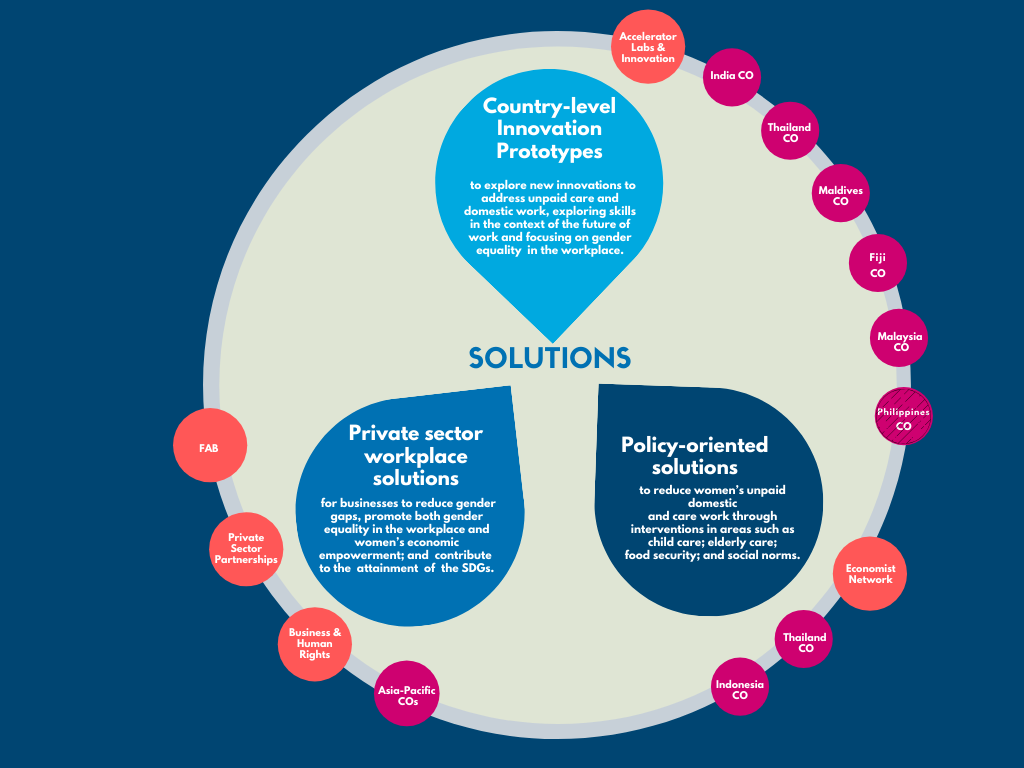
Introduction
Care work, ranging from child-rearing and elderly care to managing households, is essential to society and the economy. However, this work remains highly undervalued, unpaid, or poorly compensated—especially when performed by women. This systemic neglect has created a massive “care deficit,” severely affecting women’s economic participation and social equity.
Key Issues
1. Unpaid Care Work
-
Women in India spend over 25 hours a week on unpaid care work—three times more than men.
-
The 2023 NSSO data indicates that women do 83% of unpaid care work in Indian households.
2. Poor Working Conditions in Paid Care Work
-
The care sector employs 132.1 million women versus 13.2 million men.
-
A majority of paid care workers are in low-paying, insecure, informal jobs with limited legal protections.
-
Domestic workers, who form a large chunk of this workforce, often work without contracts, pensions, or medical benefits.
3. Marginalization and Discrimination
-
Women from marginalized groups (e.g., Scheduled Castes, Scheduled Tribes, and Other Backward Classes) are overrepresented in the care sector, often in the most poorly paid and insecure jobs.
4. Precarious Employment Conditions
-
88.7% of paid care workers are in regular but unprotected employment.
-
Women workers often face wage discrimination and lack basic social security protections like health insurance and pensions.
Challenges and the Way Forward
Challenges
-
Deep-rooted gender stereotypes that associate women with caregiving.
-
Inadequate infrastructure and policies to support childcare and eldercare.
-
Lack of unionization and collective bargaining power among care workers.
-
Absence of comprehensive legal frameworks that safeguard care workers’ rights.
Way Forward
-
Policy Reforms: Introduce labor protections, including minimum wage, health insurance, and pensions for care workers.
-
Gender Budgeting: Allocate public funds for building care infrastructure.
-
Training & Certification: Professionalize the care sector through training and skill certification.
-
Public Awareness: Normalize shared caregiving responsibilities between men and women.
-
Support Services: Provide subsidized child and eldercare centers.
Conclusion
Care work forms the backbone of a functioning society. Ignoring its economic and social value further entrenches gender inequality. Addressing these inequities is essential for building an inclusive and just society, especially in a country like India, where demographic transitions are increasing the demand for care.
5 Questions and Answers
Q1: What proportion of unpaid care work in India is performed by women?
A: Women perform 83% of the unpaid care work in Indian households.
Q2: How does paid care work compare between men and women in terms of employment?
A: The sector employs 132.1 million women compared to just 13.2 million men, showing a stark gender imbalance.
Q3: What types of jobs do most women in care work hold?
A: Most women are engaged in low-paying, informal, and unprotected jobs such as domestic workers, helpers, and ayahs.
Q4: Which groups are most overrepresented in care work?
A: Women from Scheduled Castes (SCs), Scheduled Tribes (STs), and Other Backward Classes (OBCs) are highly overrepresented in care roles.
Q5: What policy actions are recommended to improve the situation?
A: Policy reforms include ensuring fair wages, legal protections, public investment in care infrastructure, gender-sensitive budgeting, and professionalization of care work.

