

A Tale of Two Gulf Visits, US Diplomacy Under Trump Recalibrates West Asia Ties
Why in News?
Former US President Donald Trump’s Gulf visit in May 2019 highlighted a stark contrast to his 2017 trip, showing a new diplomatic tone and approach in the region. His meetings in Saudi Arabia, UAE, and Qatar, marked by billion-dollar arms and tech deals, showcased efforts to redefine US presence and policy in West Asia. 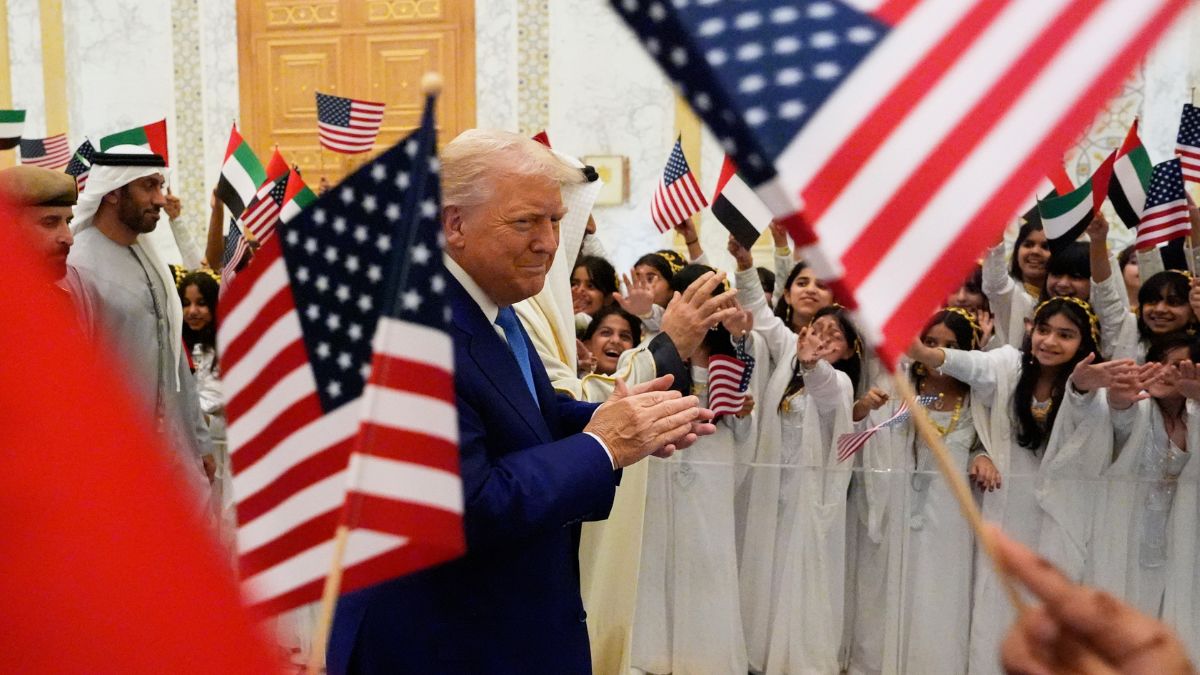)
Introduction
Trump’s 2019 visit to West Asia took place in a more cautious and strategically refined atmosphere compared to his 2017 trip, which was filled with aggressive rhetoric and religious overtones. His approach shifted from a divisive agenda to one of diplomacy, regional cooperation, and economic partnerships.
Key Issues and Background
1. Shift in Diplomatic Tone
-
In 2017, Trump’s visit was marked by his hardline stance against Iran and strong alignment with Israel.
-
His narrative heavily catered to domestic evangelical and conservative supporters.
-
By 2019, his focus turned toward economic deals, regional stability, and strategic diplomacy.
2. Strategic Deals and Bilateral Focus
-
Trump’s May 2019 trip involved major economic and arms deals, including a $42-billion agreement with Saudi Arabia.
-
He signed cooperation deals on technology, logistics, defense, and energy with firms like Amazon, Google, Boeing, and Lockheed Martin.
3. Rebalancing US Ties in the Gulf
-
Trump visited Riyadh, Doha, and Abu Dhabi, meeting key leaders and showing a more balanced diplomatic posture.
-
His meetings with Emir Tamim of Qatar and the Saudi Crown Prince Mohammed bin Salman aimed at resetting ties after prior strains.
4. Focus on Iran and Regional Stability
-
Trump used his visit to send strong messages about Iran, especially as tensions around nuclear discussions and sanctions peaked.
-
The US encouraged Gulf unity on security issues and projected Trump as a global dealmaker.
Specific Impacts or Effects
-
Strengthened economic ties through multi-billion-dollar deals.
-
Reaffirmation of US alliances with Gulf monarchies.
-
Showcased Trump’s pivot from emotional/religious alignment to pragmatic diplomacy.
-
Improved US image in the Gulf as a partner in development and security.
Challenges and the Way Forward
Challenges
-
Ongoing conflicts in Yemen and Syria continue to test Gulf cooperation.
-
Iran remains a central challenge, especially with nuclear tensions unresolved.
-
Human rights concerns and internal rivalries within the Gulf nations also pose obstacles.
Way Forward
-
The US needs to maintain a neutral and constructive role in West Asia.
-
Strategic partnerships should be based on mutual benefit, not transactional deals alone.
-
Promoting dialogue, conflict resolution, and regional integration should remain priorities.
Conclusion
Donald Trump’s 2019 Gulf visit signified a maturing of his administration’s foreign policy — from a combative tone in 2017 to a more cooperative and deal-driven approach. While challenges in the region persist, the visit laid the foundation for stronger bilateral ties and reaffirmed America’s strategic interest in West Asia.
5 Questions and Answers
Q1: How was Trump’s 2019 Gulf visit different from his 2017 trip?
A: The 2019 trip focused on economic and strategic cooperation rather than religious and ideological messaging as seen in 2017.
Q2: What major deals were signed during the visit?
A: A $42-billion agreement with Saudi Arabia and various tech and defense partnerships with major American companies.
Q3: Which Gulf countries did Trump visit in 2019?
A: Trump visited Saudi Arabia, Qatar, and the United Arab Emirates (UAE).
Q4: What was Trump’s key strategic focus in this visit?
A: Boosting economic partnerships, balancing Gulf relations, and containing Iran’s influence.
Q5: What are the long-term implications of these visits for US-Gulf relations?
A: Strengthened US-Gulf ties, increased economic collaboration, and a repositioned US image in West Asia as a pragmatic ally.

