
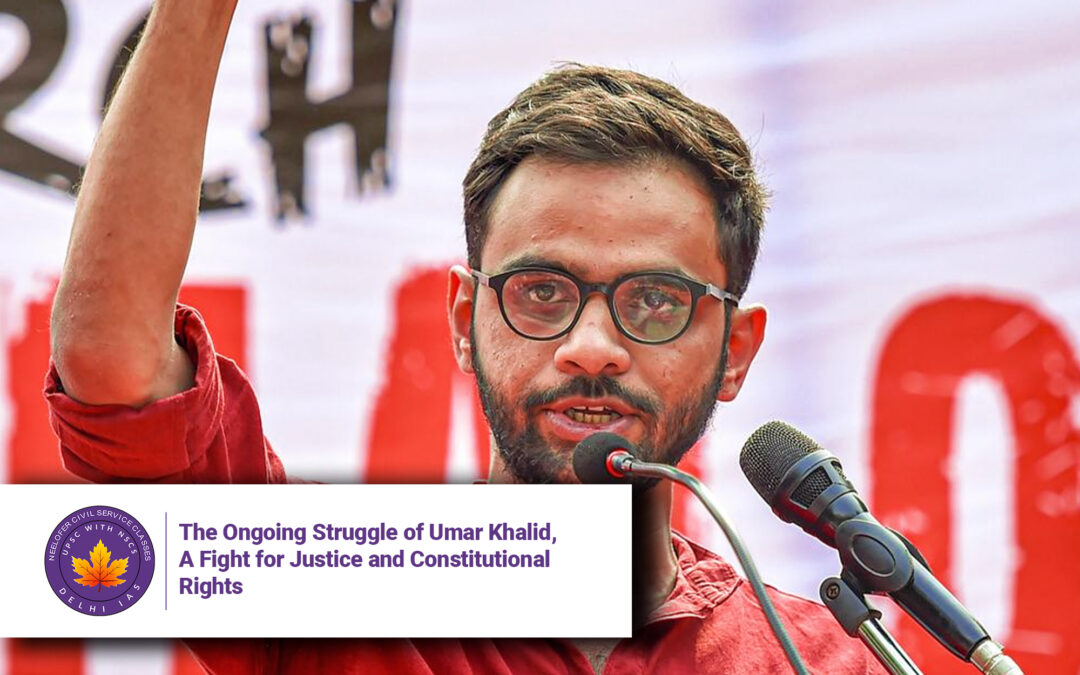
The Ongoing Struggle of Umar Khalid, A Fight for Justice and Constitutional Rights
Why in News?
As the fifth year of Umar Khalid’s incarceration approaches, his case continues to ignite debate around civil liberties, dissent, and the misuse of laws like UAPA in India. Actor and activist Prakash Raj recently penned a heartfelt column reflecting on Khalid’s imprisonment and the broader implications for democracy and justice in the country. 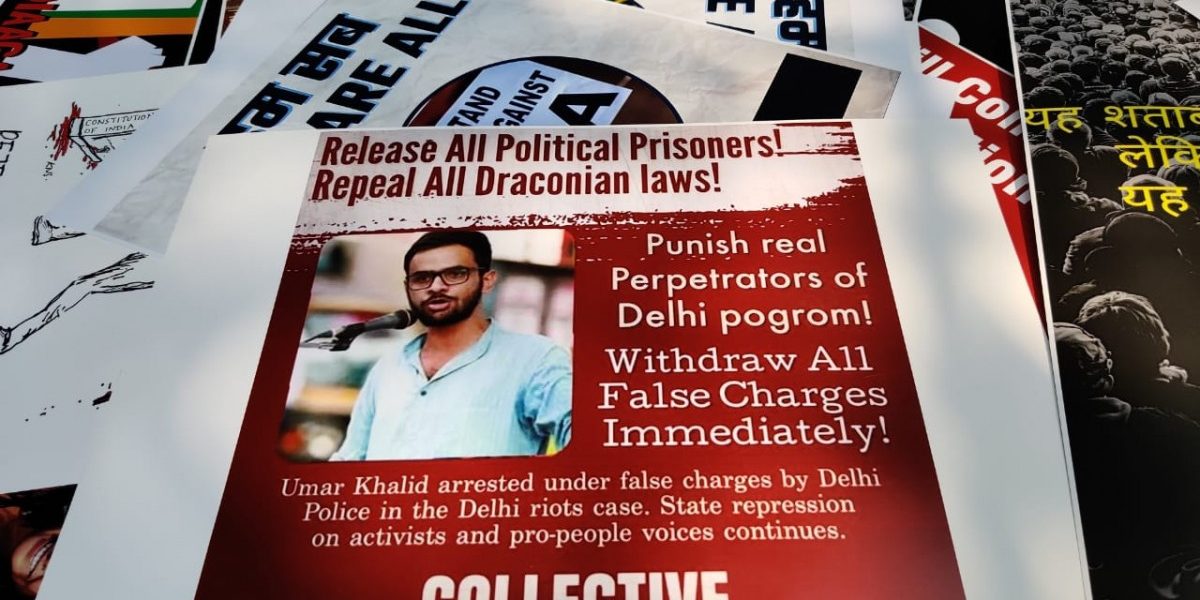
Introduction
Umar Khalid, a former student leader and vocal critic of the Citizenship (Amendment) Act (CAA) 2019, has spent five years in jail under the Unlawful Activities (Prevention) Act (UAPA). Despite the lack of conclusive evidence and repeated denial of bail, he remains behind bars. His story, according to many, is emblematic of the struggles faced by individuals who speak up against majoritarianism and authoritarianism.
Key Issues and Constitutional Concerns
1. Misuse of Anti-Terror Laws
Umar Khalid was arrested under UAPA on allegations of conspiracy in the Delhi riots of 2020. Critics argue that such laws are increasingly being used not for national security, but to silence dissent and target minority voices.
2. Erosion of Democratic Values
The article reflects on how dissent has been branded as anti-national, and how the label of patriotism has been hijacked by religious majoritarian forces. Gandhi’s vision of India as a secular, inclusive nation is being replaced by an authoritarian mindset that discourages diversity of opinion.
3. Judicial Delays and Denied Justice
Despite being imprisoned for nearly five years, Umar has not been granted bail. Courts have not found substantial evidence to convict him, yet his case continues to linger. His father, Amir Khalid, remains hopeful but disheartened at the slow pace of justice.
4. Public Perception and Media Trials
Individuals like Umar are often vilified in public discourse. The media and political leaders paint them as threats to national unity, discouraging public sympathy or protest.
5. The Symbol of Resistance
Umar’s courage, even from behind bars, has inspired many. His words—“We are aware of the cause he fought for and went to prison. We too are with him”—reflect a commitment to fighting for constitutional values.
Challenges and the Way Forward
-
Need for Legal Reform: UAPA needs a thorough review. Its vague definitions and denial of timely bail violate basic human rights and due process.
-
Protecting the Right to Dissent: In a democracy, criticism of government policies should not be equated with anti-nationalism.
-
Support for Political Prisoners: Greater public awareness and solidarity are needed to support those who are wrongly incarcerated.
-
Judiciary’s Role: The courts must act swiftly and fairly, especially when fundamental rights and freedoms are at stake.
-
Reclaiming Patriotism: True patriotism lies in standing up for the Constitution, justice, and dignity—not blind allegiance to the state.
Conclusion
Umar Khalid’s ongoing incarceration is not just about one individual. It reflects a broader battle for India’s democratic soul. As the Constitution promises the right to dissent, it is essential to uphold that right for every citizen. The fight is far from over, but voices like Umar’s continue to light the path forward.
Q&A Section
Q1. Who is Umar Khalid and why is he in jail?
Umar Khalid is a former student leader and activist. He was arrested under the UAPA for allegedly conspiring in the 2020 Delhi riots.
Q2. What is UAPA and why is it controversial?
UAPA (Unlawful Activities Prevention Act) is an anti-terror law. It has been criticized for its broad definitions and for being used to suppress dissent rather than genuine threats.
Q3. What did Prakash Raj say about Umar Khalid?
Prakash Raj praised Umar Khalid for standing up for truth, secularism, and the Constitution. He highlighted Umar’s pain and dignity, calling him a true patriot.
Q4. Why has Umar Khalid not been granted bail?
Despite multiple bail pleas and no substantial evidence, the courts have not granted bail, reflecting concerns about judicial delays and the misuse of law.
Q5. What larger issue does Umar’s case represent?
It symbolizes the shrinking space for dissent, the misuse of laws against minorities, and the struggle to uphold constitutional values in modern India.
