
The Nature of Escalation, Operation SINDOOR and India’s Changing Doctrine
Why in News?
India’s four-night military confrontation with Pakistan beginning on May 7 was the most intense since the 1971 war. It marked a significant shift in India’s response strategy against Pakistan-sponsored terrorism, particularly during the successful Operation SINDOOR, which targeted over 100 km inside Pakistan-occupied Kashmir (PoK). This reflects India’s evolved doctrine of “controlled escalation” to establish credible deterrence. 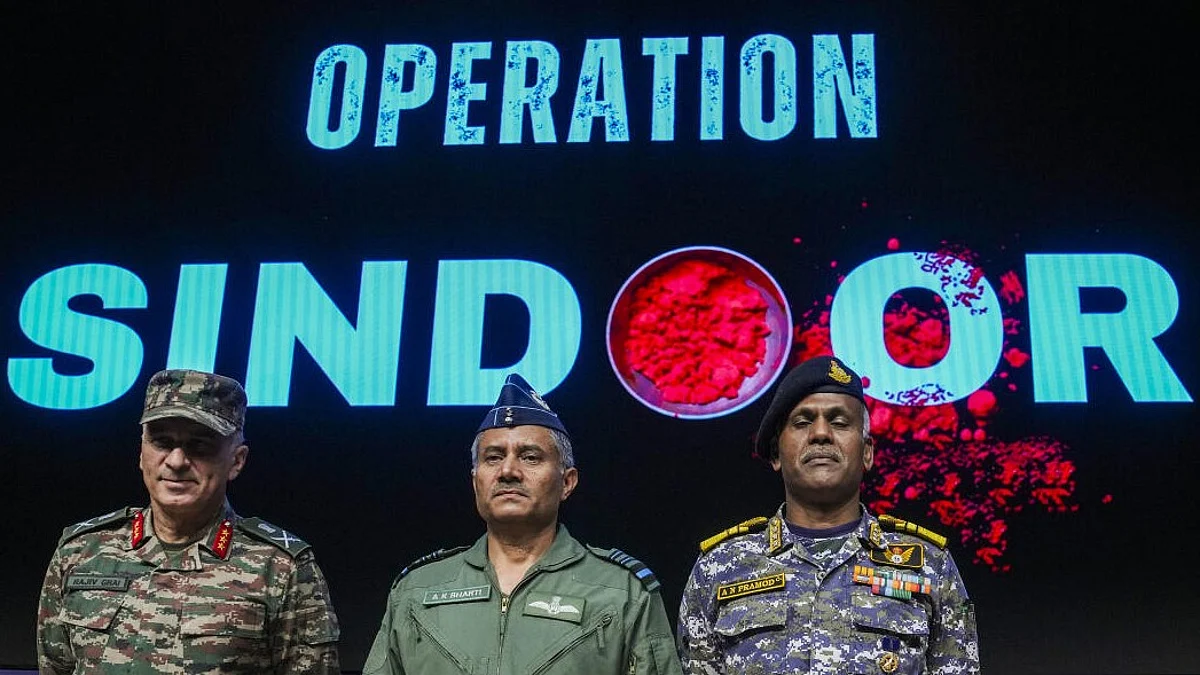
Introduction
Since 2016, India has moved from strategic restraint to a more assertive military doctrine in response to terrorist attacks. This change has been influenced by the theories of Herman Kahn, who identified various steps in a conflict escalation ladder. India is now applying these steps tactically to create controlled, yet powerful, military responses to terror threats from Pakistan.
Key Details from Operation SINDOOR
-
Operation SINDOOR began after a major terror attack in Jammu on April 27.
-
The operation lasted four nights and included joint action by the Indian Army, Navy, and Air Force.
-
Indian forces struck across the LoC, specifically into PoK, in areas like Rajouri, Poonch, and Balakot.
-
The strikes aimed to destroy launchpads and terrorist camps.
-
The operation was officially briefed on May 12 by top Indian military officials, including Gen Raju, Air Marshal AK Bharti, V Adm N Pramod, and Maj Gen SS Sihari.
The Doctrine Behind the Action
India’s actions are inspired by Herman Kahn’s escalation model:
-
Sub-crisis Maneuvering
-
Political, Economic, and Diplomatic Gestures
-
Show of Force
-
Solemn and Formal Declarations
-
Intensified Use of Force
-
Punishment and Limited War
India’s step-by-step actions followed Kahn’s outline—starting with statements, then a show of force, followed by a calibrated military operation without triggering full-scale war. The approach has been termed as “Credible Deterrence 2.0.”
Change in India’s Strategy Since 2016
Major turning points include:
-
2016 Uri attack: Led to India’s first publicly acknowledged cross-border surgical strikes.
-
2019 Pulwama attack: Triggered the Balakot air strikes.
-
2024 Poonch attacks: Led to Operation SINDOOR.
Each action reflected a lower threshold for retaliation and India’s willingness to act militarily even before a major terror strike takes place.
Takeaways and Future Outlook
-
India’s new “normal” includes lower thresholds for retaliation to terror attacks.
-
Diplomacy works alongside military power, but India is now less hesitant to use direct force.
-
Media strategy: India has kept operations more confidential post-2019, releasing less footage and keeping diplomatic ambiguity.
-
Technological upgrades and rapid mobility are enhancing India’s ability to act decisively and quickly.
-
Challenges ahead include managing escalation without inviting wider war, and keeping the global community on India’s side.
Five Questions & Answers
1. What was Operation SINDOOR?
Operation SINDOOR was a four-night military operation conducted by India from May 7, targeting terror launchpads inside Pakistan-occupied Kashmir in response to attacks in Poonch and Rajouri.
2. How is India’s response to Pakistan-backed terrorism different now?
India has adopted a doctrine of controlled escalation since 2016, responding swiftly and assertively using limited military force to deter future attacks.
3. What theoretical model guides India’s actions?
India’s strategy is influenced by Herman Kahn’s escalation ladder, particularly his model of “credible deterrence” and step-wise escalation.
4. Why was the escalation kept limited and short in duration?
To avoid a full-scale war while sending a strong message, India used rapid, time-bound, and precise actions to control the scope of conflict.
5. What are the future implications of this shift in doctrine?
India’s new posture may help deter terrorism, but it also brings risks of miscalculation and requires careful diplomatic and military balancing.

