

The Manipur Conflict, Exposing the Faultlines in India’s National Security Approach
Why in News?
As the Manipur conflict completes two years, the region continues to suffer from ethnic violence, displacement, and security failures. Despite the Prime Minister’s silence and the Centre’s lack of intervention, the conflict has exposed the flawed national security outlook and the absence of a comprehensive political solution. 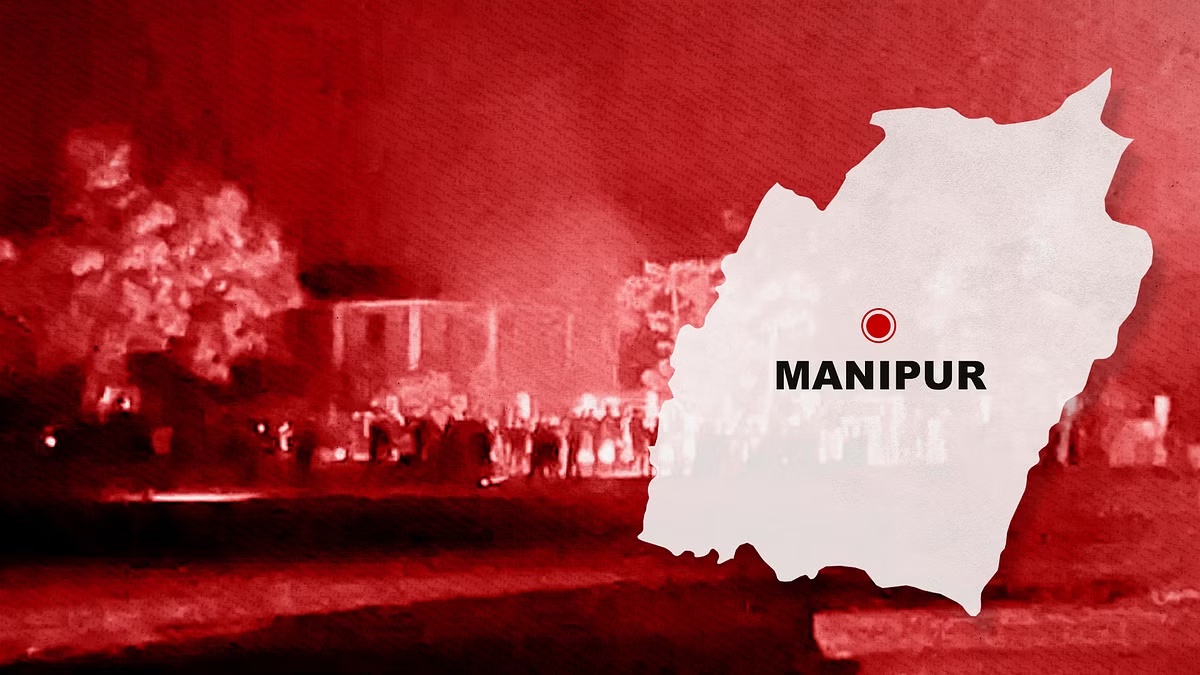
Introduction
The ongoing turmoil in Manipur, marked by ethnic violence, displacement of over 250 lives, and internally displaced populations (IDPs), reveals a crisis of governance and policy. The Centre’s delay in intervening and the militarized handling of the situation expose the limits of India’s current approach to conflict in the northeast.
Key Issues and Background
1. A Paradoxical Political Stance
-
Despite international trips and engagement, the Prime Minister has not visited Manipur or addressed the situation directly.
-
The Centre’s military-led responses contrast with the lack of clear political strategies or peace initiatives.
-
The government’s hesitation to view this crisis beyond a security lens results in poor conflict resolution.
2. Historical Precedents Ignored
-
Unlike earlier efforts at peace, such as with Naga and Mizo insurgent groups, Manipur’s crisis has not seen similar political engagement.
-
The handling is inconsistent with India’s historical peace frameworks in the region.
The Core of the Concern
Security-Only Perspective
-
The Chief Minister’s office justified state actions in September 2024 by citing “intelligence inputs” of threats from VBIGs (Valley-Based Insurgent Groups).
-
These actions intensified security buildups near Meitei villages and further alienated minority communities like the Kukis.
Demographic Engineering?
-
The operations reportedly aimed at creating a buffer zone between the Meitei and Kuki-Zomi communities.
-
This move reflects a broader ethnic majoritarian agenda under the guise of national security.
Lack of Unified Policy
-
The lack of coordination between Home Affairs, Defence, and Army operations has left many areas vulnerable.
-
Security forces were accused of favoring certain groups, worsening public trust and law enforcement credibility.
Key Observations
-
A flawed understanding of what constitutes a “national security issue” is at the heart of the failed strategy.
-
India’s national security policy is often politicized, driven by vote bank politics, and lacks institutional consistency.
-
The absence of dialogue, especially with affected communities and civil society, worsens the humanitarian crisis.
Challenges and the Way Forward
Challenges
-
Treating internal ethnic issues as external threats.
-
Inadequate political ownership and overreliance on militarized solutions.
-
Rise in militia groups and informal armed actors eroding democratic structures.
Steps Forward
-
Reframing the conflict through a dialogue-based peace initiative.
-
Institutional reform to prevent ethnic majoritarianism from dictating security actions.
-
Build public trust by ensuring non-partisan law enforcement and compensation for displaced communities.
Conclusion
The ongoing Manipur crisis is not merely a law-and-order issue but a reflection of structural flaws in India’s internal security governance. Unless the Centre reframes its approach from militarization to reconciliation and inclusive politics, Manipur may remain trapped in a cycle of violence, distrust, and displacement.
5 Questions and Answers
Q1. What is the main issue highlighted in the Manipur conflict?
A: The main issue is the inadequate political and humanitarian response to a deep-rooted ethnic conflict, which has instead been treated as a security operation.
Q2. How has the government approached the Manipur crisis?
A: The government has primarily taken a militarized approach, relying on security forces and “intelligence inputs” while avoiding meaningful political dialogue.
Q3. What are VBIGs, and how are they relevant?
A: VBIGs are Valley-Based Insurgent Groups. They were used by the government as a reason to increase military presence, allegedly to protect Meitei villages, but critics argue this move escalated tensions.
Q4. What makes India’s national security approach flawed in this case?
A: The approach is politicized and ethnically biased, lacking long-term planning or a comprehensive peace strategy involving all stakeholders.
Q5. What is the suggested way forward for resolving the Manipur crisis?
A: Experts suggest adopting a political solution involving inclusive dialogue, correcting security biases, and building institutions that prioritize peace and equity.

