

The Erosion of Medical Prestige, How Modern Healthcare is Failing Doctors and Patients
Introduction
On July 1st, as India commemorates National Doctor’s Day, the celebration feels increasingly hollow. Behind the ceremonial platitudes lies an uncomfortable truth: the prestige of the medical profession is eroding at an alarming rate. No longer viewed as infallible healers, doctors today are caught between unrealistic public expectations, corporate healthcare monopolies, and systemic failures that have transformed medicine from a noble calling into a transactional service. 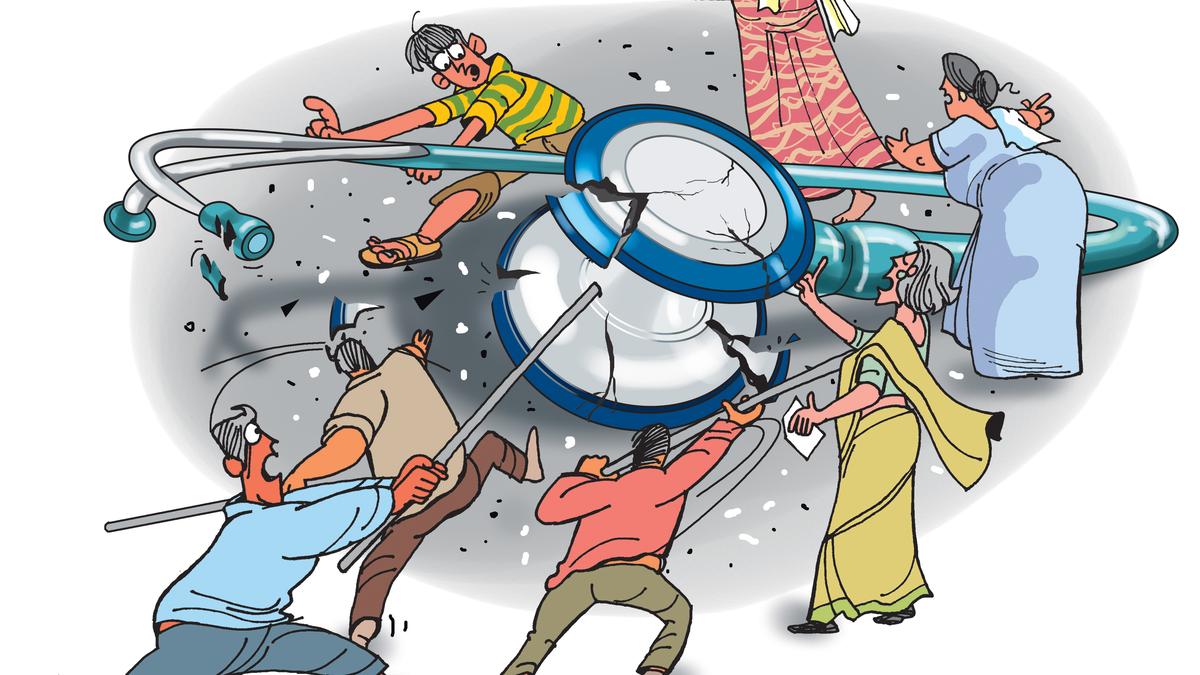
This deep dive examines the complex factors behind this decline—from epidemiological shifts to commercialization of care—and proposes urgent reforms to restore dignity to what was once society’s most respected profession.
1. The Rise and Fall of Medical Authority
The Golden Age of Medicine (1850–1950)
-
Scientific Breakthroughs: Germ theory (Pasteur), anesthesia (Morton), and penicillin (Fleming) turned doctors from “barbers with knives” to miracle workers.
-
Public Trust: Mortality rates plummeted; physicians became moral authorities akin to clergy.
The Turning Point: Epidemiological Transition
| Stage | Disease Burden | Doctor’s Role | Public Perception |
|---|---|---|---|
| 1–2 | Infections, malnutrition | Heroic curers | Revered |
| 3–4 | Chronic diseases (diabetes) | Lifestyle coaches | Frustrated |
| 5 | Pandemics + chronic | Overworked technicians | Distrustful |
Key Shift: Modern medicine manages uncertainty (e.g., “Take this statin; 30% chance it prevents heart attack”) vs. past certainty (“Penicillin will cure your infection”).
2. The Four Crises Undermining Doctors Today
Crisis 1: The Commercialization of Care
-
From Healing to Revenue:
-
Corporate Hospitals: Push for 15-minute consultations (vs. WHO’s recommended 30 mins).
-
Pharma Influence: 78% of Indian doctors report pressure to prescribe branded drugs (Lancet Study, 2023).
-
-
Patient as Customer: Online reviews and “patient satisfaction scores” prioritize perception over outcomes.
Crisis 2: The Protocol Paradox
-
Algorithmic Medicine:
-
EHR systems flag deviations from treatment protocols, punishing individualized care.
-
Example: A Mumbai GP was fired for prescribing cheaper generics against hospital policy.
-
Crisis 3: Societal Contradictions
-
Prescribing Abstinence in an Age of Excess:
-
Obesity Epidemic: 135 million Indians obese, yet Swiggy/Zomato lobby against “junk food taxes.”
-
Sleep Disorders: Average screen time = 4.9 hrs/day, but patients resent “no screens before bed” advice.
-
Crisis 4: The Scapegoat Syndrome
-
Violence Against Doctors:
-
2023 Data: 1,200+ assaults (up 300% since 2018).
-
Root Cause: Patients blame doctors for systemic failures (e.g., drug shortages, costly tests).
-
3. Global Parallels: A Worldwide Phenomenon
United States: Burnout Epidemic
-
47% of physicians report emotional exhaustion (AMA, 2024).
-
Primary Care Collapse: Only 5% of med students choose family medicine (vs. 35% in 1990).
United Kingdom: NHS Under Siege
-
1 in 7 positions vacant; junior doctors strike over 26% pay cuts (adjusted for inflation).
China: AI Replacing Trust
-
“Dr. Algorithm”: 60% of urban clinics use AI diagnostics; patients question human doctors’ competence.
4. Case Study: India’s Perfect Storm
Policy Failures
-
Underinvestment: Only 1.1% of GDP on public health (vs. 4.3% in Brazil).
-
Medical Education Crisis:
-
Coaching Centers > Colleges: 60% of NEET toppers from 5 coaching chains (not medical families).
-
Capitation Fees: Private colleges charge ₹1.5 crore/seat, forcing graduates into profit-driven practice.
-
Cultural Shifts
-
Google vs. GP: 68% of patients self-diagnose via apps before consultations (Practo Survey).
-
Spiritual Quackery: Boom in “alternate healers” (e.g., Patanjali’s “reverse diabetes with yoga”).
5. Rebuilding Trust: A 5-Point Prescription
1. De-Commercialize Healthcare
-
Ban Pharma Gifts: Model after France’s “Sunshine Act” (public disclosure of doctor-industry ties).
-
Generic Mandate: Legally require generic prescriptions unless branded medically necessary.
2. Restore Clinical Autonomy
-
“Safe Harbor” Laws: Protect doctors from lawsuits when deviating from protocols for individualized care.
-
Anti-Burnout Measures:
-
Mandatory 10-min breaks between patients.
-
Psychotherapy subsidies for medics.
-
3. Societal Detox
-
Junk Food Regulation:
-
Warning labels (like tobacco) on high-sugar foods.
-
Zomato/Swiggy: Mandate healthy choice defaults.
-
-
Tech Accountability:
-
Blue Light Warnings: Phones auto-lock at 10 PM with sleep hygiene tips.
-
4. Medical Education Reform
-
NEET 2.0:
-
Interview Rounds: Assess empathy, not just MCQs.
-
Rural Bond: Free tuition for 5-year rural service.
-
-
Capitation Fee Ban: Jail terms for college bribes.
5. Public Re-Education
-
“Real Medicine” Campaigns:
-
TV spots explaining antibiotic resistance.
-
School modules on trusting science over influencers.
-
6. The Cost of Inaction
Projected 2030 Scenario
| Factor | If Reforms Delayed | If Reforms Implemented |
|---|---|---|
| Doctor Shortage | 2 million vacancies | 500,000 new GPs |
| Violence Incidents | 5,000+/year | <500/year |
| Chronic Disease Burden | 300 million cases | 200 million (with better prevention) |
Conclusion: A Profession Worth Saving
The erosion of medical prestige isn’t just about doctors—it’s a civilizational warning sign. When societies lose faith in science and compassion, quackery and distrust fill the void. As public health expert Dr. Aravinda notes, the solution requires structural courage: breaking healthcare’s corporate capture, rebuilding patient-doctor bonds, and demanding societal accountability.
The next time you meet a doctor, remember: they’re not gods, but they’re also not merchants. They’re humans navigating an impossible system—one we must fix together.
Key Questions & Answers
-
Why are doctors losing respect?
Medicine now manages chronic uncertainty (e.g., lifestyle diseases) vs. past definitive cures, while corporations prioritize profits over care. -
How does pharma influence harm trust?
78% of doctors face pressure to prescribe costly branded drugs (Lancet), making advice seem mercenary. -
What’s the #1 policy fix?
Ban capitation fees to stop medical education from being a pay-to-play scheme. -
Can technology help?
Only if AI assists (e.g., diagnostics) without replacing human judgment (China’s warning). -
What can the public do?
Demand generic drugs, reject Dr. Google, and vote for healthcare reforms.

