
The Census and the Remaking of a People
Why in News?
The 2027 Census of India is expected to have a major impact beyond simple population counting. It will influence political representation, resource allocation, and demographic shifts. As India prepares for this pivotal event, debates over how Census data should shape future governance are intensifying. 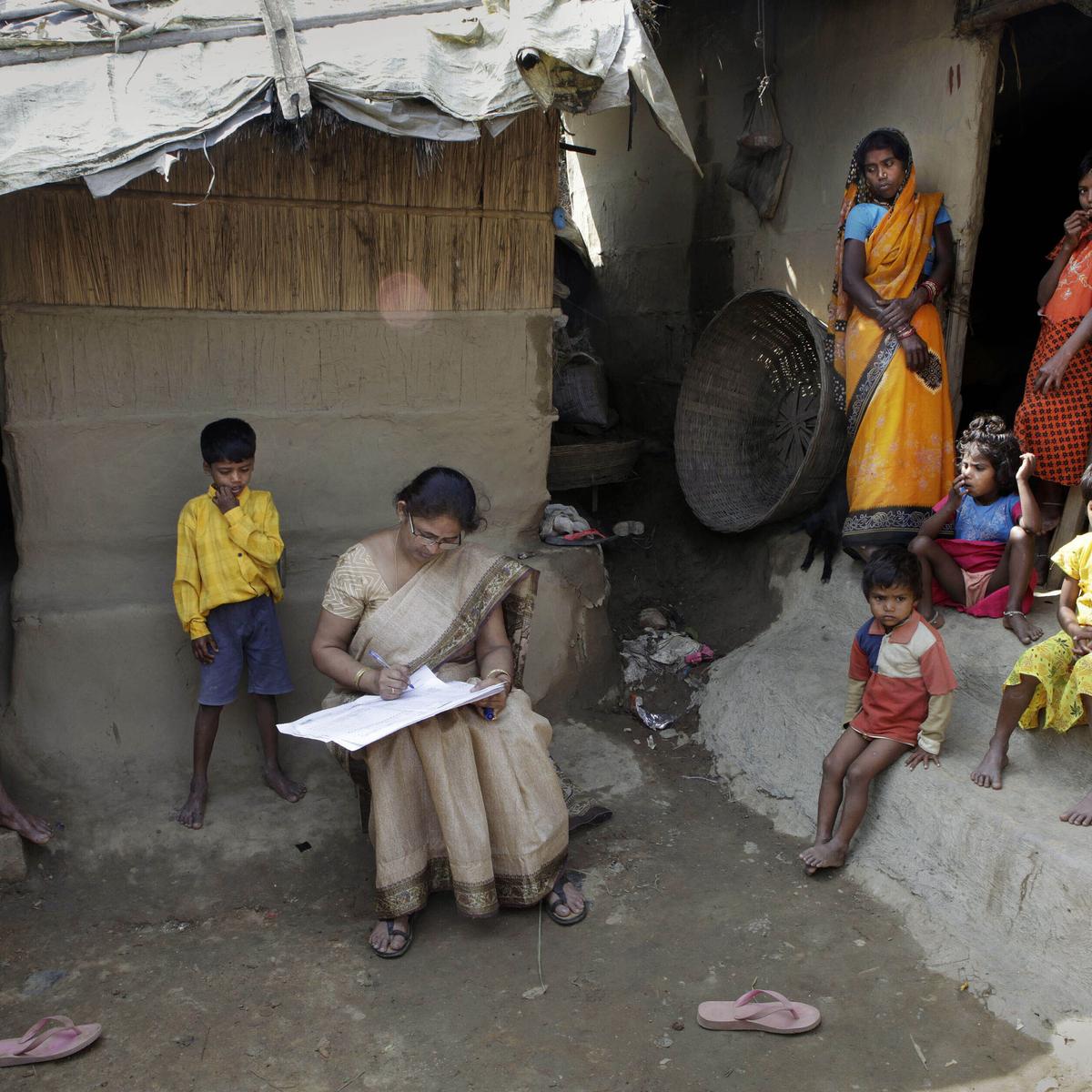
Introduction
The Census is not just a technical exercise of counting people. It shapes how people view themselves as a political community and how resources and political power are distributed.
The upcoming Census will be India’s first in 16 years due to delays from the COVID-19 pandemic. It will measure more than population — it will reflect social, economic, and political changes that have accelerated across India.
Key Issues and Background
1. Census as a Political Tool
-
The Census counts population under multiple categories — rural/urban, caste, Scheduled Castes (SC), Scheduled Tribes (ST), literacy, economic activity, and more.
-
While the data appears technical, it shapes political decisions — representation, federal resource sharing, and social dynamics.
2. Impact on Parliamentary Representation
-
India’s parliamentary representation has been frozen based on the 1971 Census.
-
New Census data could lead to a redistribution of seats in Parliament after 2026, changing political power balances between fast-growing northern States and southern States with slower population growth.
3. Federal Fiscal Transfers and Resource Sharing
-
Census data drives revenue-sharing formulas between the Centre and States.
-
The 16th Finance Commission is already considering how updated demographic data may affect these formulas.
-
States with slower population growth fear losing financial resources and political influence.
Specific Impacts or Effects
1. Demographic Shifts and Migration
-
The movement of people from northern to southern and western India affects regional demographics.
-
Cities like Chennai and Mumbai attract migrants seeking economic opportunities.
2. Regional Political Tensions
-
Southern States and States in the northeast are wary of a new parliamentary seat distribution that could weaken their political voice.
-
The Bharatiya Janata Party (BJP) is positioning itself to use this moment to expand its political influence in the south.
3. Impact on Women and Marginalised Groups
-
New Census data could provide an opportunity to improve representation for women and marginalised groups.
-
However, the politics of reservation and quota demands remain contentious.
Challenges and the Way Forward
Challenges
-
Political sensitivities around seat redistribution and revenue sharing.
-
Risk of the Census being used to polarise communities or exacerbate regional divides.
-
Lack of clarity and consensus on how new data should be used.
Way Forward
-
Conduct the Census in a transparent and inclusive manner.
-
Ensure bipartisan consensus on applying the results.
-
Use the Census as a tool for inclusive governance, not just political gain.
-
Address the fears of southern and smaller States through dialogue and policy adjustments.
Conclusion
The 2027 Census will accelerate both the social and political impacts of India’s demographic changes. It must be managed wisely to ensure it strengthens, not divides, India’s federal structure.
Used thoughtfully, the Census can support better governance and greater inclusion. Used poorly, it risks deepening India’s regional and political divides.
5 Questions & Answers
Q1: Why is the 2027 Census significant?
A: It will influence political representation, federal resource sharing, and highlight key demographic trends after a 16-year gap.
Q2: How could it affect parliamentary seats?
A: The new data could lead to a redistribution of Lok Sabha seats, increasing representation for fast-growing northern States.
Q3: What are the concerns of southern States?
A: They fear losing political power and financial resources due to their slower population growth compared to northern States.
Q4: How does the Census impact fiscal transfers?
A: Census data is used to allocate central funds to States. The 16th Finance Commission will likely adjust formulas based on new population trends.
Q5: What is the way forward?
A: Ensure the Census process is transparent and inclusive, foster political consensus, and use the data to promote balanced national development.

